Introduction
The Chacoan Pink-lipped Mouse, scientifically known as Bibimys chacoensis, is a lesser-known rodent species that inhabits the Gran Chaco region in South America. This fascinating mammal is a subject of interest due to its unique physical characteristics and ecological niche. Despite its intriguing nature, it remains relatively understudied, contributing to a limited understanding of its behavior and conservation needs. This article aims to provide a comprehensive overview of the Chacoan Pink-lipped Mouse, covering its physical description, habitat, behavior, and conservation status.
Physical Description
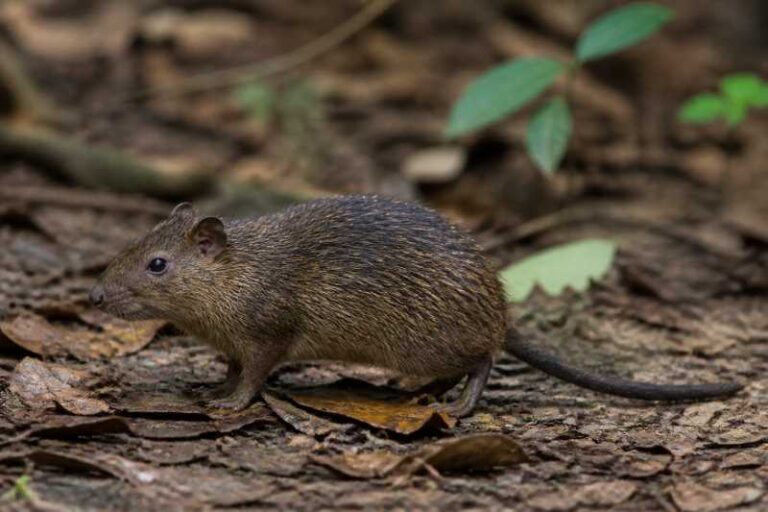
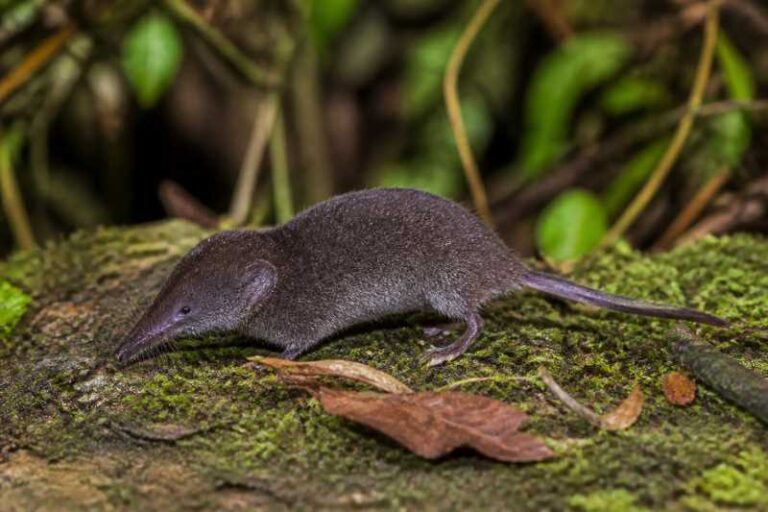
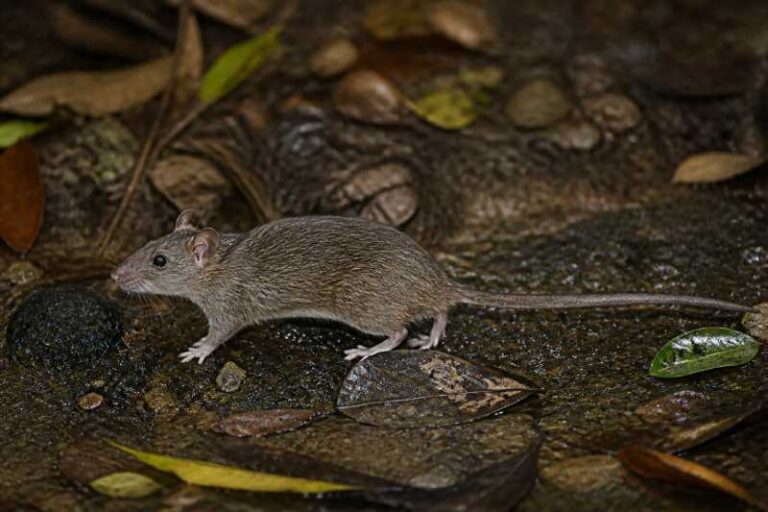
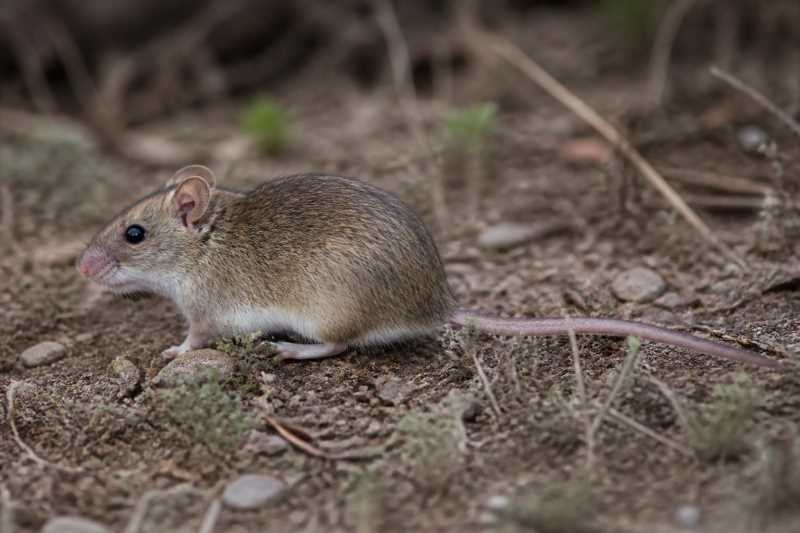
The Chacoan Pink-lipped Mouse is a small rodent, characterized by its distinctively pink lips, which serve as a key identification feature. Typically, this mouse has a body length ranging from 8 to 12 cm, with a tail measuring approximately 6 to 9 cm. Its fur is generally soft and dense, exhibiting a greyish-brown hue on the dorsal side and a lighter, almost white coloration on the ventral side.
One of the most striking features of this species is its pink lips and nose, which give it its common name. The ears are relatively large and rounded, aiding in acute hearing, which is crucial for avoiding predators. The eyes are small and bead-like, reflecting their nocturnal lifestyle.
Range and Habitat
The Chacoan Pink-lipped Mouse is endemic to the Gran Chaco, a vast region spanning parts of Bolivia, Paraguay, and Argentina. This area is characterized by its hot, semi-arid climate with distinct wet and dry seasons. The Gran Chaco is a mosaic of habitats, including dry forests, savannas, and scrublands, providing a diverse environment for various wildlife.
This mouse species prefers shrublands and dry forest habitats where it can utilize dense undergrowth for shelter and forage for food. The Gran Chaco’s dynamic landscape offers both challenges and resources for the Chacoan Pink-lipped Mouse, making it a unique setting for its life cycle.
Behavior and Diet
The Chacoan Pink-lipped Mouse is primarily nocturnal, with activity peaking during the night when it forages for food and avoids daytime predators. Its diet is omnivorous, consisting mainly of seeds, fruits, insects, and other small invertebrates. This diet flexibility allows it to adapt to the varying availability of resources throughout the seasons in the Gran Chaco.
Socially, the Chacoan Pink-lipped Mouse is solitary, with individuals maintaining their own territories. The species communicates through vocalizations and scent markings to establish boundaries and attract mates during the breeding season. Little is known about their reproductive habits, but it is assumed that they breed during the wet season when food is more abundant.
Identification Tips (Field Recognition Cues)
- Distinctive Pink Lips and Nose: The most notable feature for identification is the pink coloration of its lips and nose.
- Fur Coloration: Look for greyish-brown fur on the back with a lighter, almost white underside.
- Size and Shape: Note the small body size with a proportionally long tail, measuring approximately 6 to 9 cm.
- Habitat Preference: Typically found in the dense underbrush of the Gran Chaco’s dry forests and shrublands.
- Behavioral Cues: Being nocturnal, sightings are more likely at night when the mouse is active.
Conservation Status (with Threats and Protections)
The conservation status of the Chacoan Pink-lipped Mouse is currently listed as "Data Deficient" by the International Union for Conservation of Nature (IUCN). This classification highlights the lack of sufficient data on the species’ population trends and habitat requirements. However, the primary threats to the mouse include habitat destruction and fragmentation due to agricultural expansion, deforestation, and land conversion in the Gran Chaco.
Conservation efforts are limited but essential for the survival of this species. Protecting the native habitats within the Gran Chaco through the establishment of protected areas and sustainable land management practices is crucial. Further research is also needed to better understand the species’ ecology, behavior, and population dynamics to inform conservation strategies effectively.
Frequently Asked Questions
1. What makes the Chacoan Pink-lipped Mouse unique?
The Chacoan Pink-lipped Mouse is unique due to its distinctive pink lips and nose, which are rare features among rodents. Its adaptation to the semi-arid conditions of the Gran Chaco and its nocturnal, solitary behavior also set it apart from other mouse species.
2. Where can the Chacoan Pink-lipped Mouse be found?
This mouse is found in the Gran Chaco region, which spans parts of Bolivia, Paraguay, and Argentina. It inhabits dry forests, shrublands, and savannas within this area, relying on the dense undergrowth for shelter and food resources.
3. What are the main threats to the Chacoan Pink-lipped Mouse?
The primary threats include habitat destruction due to agricultural expansion, deforestation, and land conversion in the Gran Chaco. These activities lead to habitat fragmentation, which poses significant challenges to the survival of this species.
4. How can the conservation of the Chacoan Pink-lipped Mouse be improved?
Conservation can be improved by establishing protected areas within the Gran Chaco, promoting sustainable land management practices, and conducting further research to gather data on the species’ population and ecological requirements.
5. What does the Chacoan Pink-lipped Mouse eat?
The diet of the Chacoan Pink-lipped Mouse is omnivorous, consisting primarily of seeds, fruits, insects, and other small invertebrates. This dietary flexibility allows adaptation to seasonal changes in food availability.
Related posts