Introduction
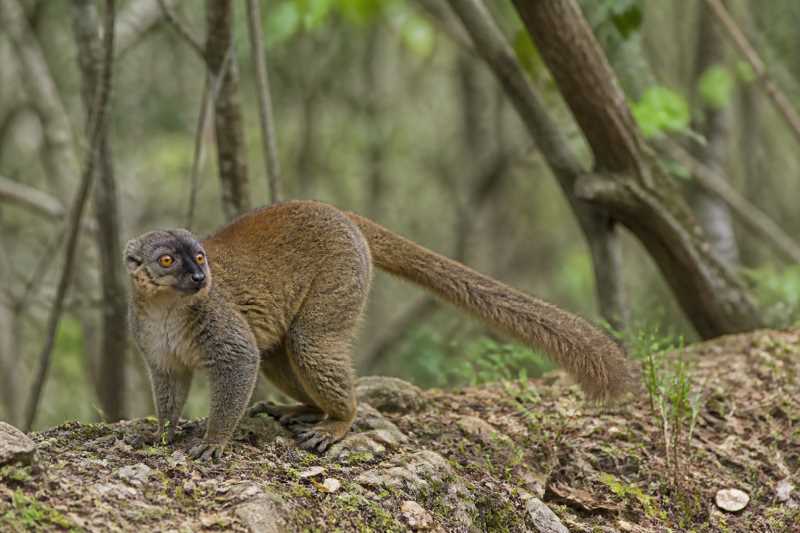
The Rufous Brown Lemur, scientifically known as Eulemur rufus, is a captivating primate species endemic to Madagascar. Known for its rich reddish-brown fur and expressive eyes, this lemur is one of the many unique animal inhabitants of the island, contributing to Madagascar’s reputation as a biodiversity hotspot. This article delves into the remarkable world of the Rufous Brown Lemur, exploring its physical characteristics, habitat preferences, behaviors, and the conservation challenges it faces.
Physical Description
The Rufous Brown Lemur is a medium-sized primate, with males and females exhibiting subtle differences in coloration and size. Males typically have a darker, more uniform coat, while females display a lighter, more reddish tone. Both sexes possess a distinctive facial mask that frames their expressive eyes, enhancing their endearing appearance. On average, these lemurs weigh between 2.2 to 3.5 kilograms (4.8 to 7.7 pounds) and measure about 40 to 50 centimeters (16 to 20 inches) in body length, excluding their bushy tails, which can reach similar lengths.
Range and Habitat
The Rufous Brown Lemur is primarily found in the northwestern and central parts of Madagascar, occupying both dry deciduous forests and humid rainforest environments. Their adaptability to different forest types is crucial for their survival, given the diverse and often fragmented nature of Madagascar’s habitats. These lemurs thrive in areas with a rich canopy cover, which provides them with ample food resources and protection from predators.
Behavior and Diet
Rufous Brown Lemurs are diurnal, meaning they are active during the day. They live in social groups that typically consist of 4 to 18 individuals, often led by a dominant female. These groups are known for their playful interactions and intricate social behaviors, such as grooming and vocal communication. Their diet is primarily frugivorous, consisting of a variety of fruits, flowers, leaves, and occasionally insects. This diverse diet allows them to exploit different food sources throughout the year, adapting to seasonal changes in fruit availability.
Identification Tips
Field recognition of the Rufous Brown Lemur can be achieved by noting several key characteristics. Observers should look for:
- The distinctive reddish-brown fur, which varies slightly between individuals.
- A noticeable facial mask and prominent whiskers.
- Social behavior, as they are often seen in groups.
- Vocalizations, which include a range of grunts, clicks, and calls used for communication within the group.
Conservation Status
The Rufous Brown Lemur is currently classified as Near Threatened on the IUCN Red List. Habitat destruction, primarily due to deforestation for agriculture and logging, poses the most significant threat to their survival. Additionally, hunting and the illegal pet trade further exacerbate their population decline. Conservation efforts are focused on habitat protection, legal enforcement against hunting, and community education programs to promote coexistence with local human populations.
Frequently Asked Questions
What is the lifespan of a Rufous Brown Lemur? Rufous Brown Lemurs can live up to 20 years in the wild, although their lifespan may be shorter due to predation and habitat threats.
How do Rufous Brown Lemurs communicate? These lemurs use a variety of vocalizations, body postures, and facial expressions to communicate with each other, often to alert group members of potential danger or to maintain social bonds.
Are Rufous Brown Lemurs endangered? While they are not currently classified as endangered, they are listed as Near Threatened due to ongoing habitat loss and hunting pressures.
What do Rufous Brown Lemurs eat? Their diet primarily consists of fruits, but they also consume leaves, flowers, and occasionally insects to supplement their nutritional needs.
Where can I see Rufous Brown Lemurs in the wild? These lemurs can be seen in several national parks and reserves in Madagascar, such as Ankarafantsika and Kirindy Mitea, where conservation efforts are in place.
Related posts