Introduction
The Malayan Pygmy Shrew (Suncus malayanus) is a small mammalian species that inhabits Southeast Asia. Despite its diminutive size, this species plays a significant role in the ecosystem as an insectivore. As a part of the Soricidae family, this shrew is remarkable for its adaptability and survival strategies in diverse habitats. This article delves into the various aspects of the Malayan Pygmy Shrew, from its physical characteristics and habitat preferences to its behavioral patterns and conservation status.
Physical Description
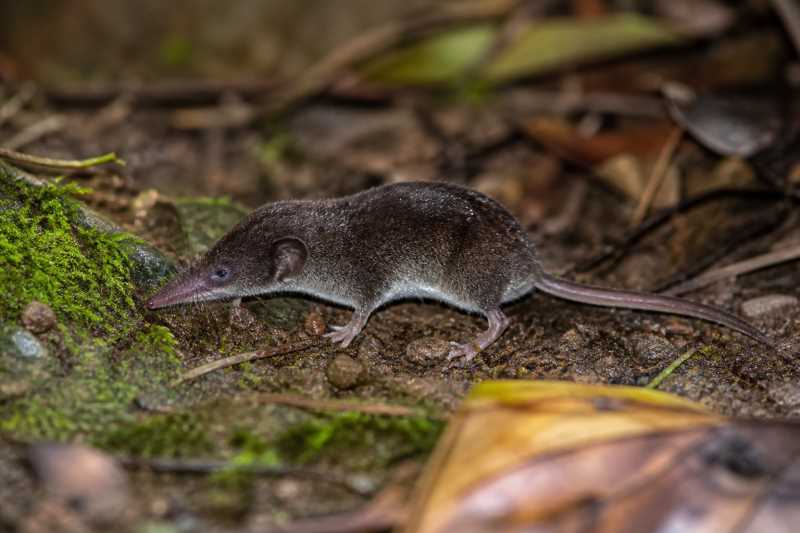
The Malayan Pygmy Shrew is one of the smallest mammals in the world, with an average body length of about 3.5 to 5 centimeters and a weight ranging from 2 to 3 grams. It has a slender, elongated body covered with soft, dense fur that is generally brownish-gray, providing excellent camouflage in its natural habitat. Its snout is long and pointed, which aids in foraging for insects in the soil and leaf litter. The shrew’s small eyes and ears reflect its adaptation to a subterranean and nocturnal lifestyle, relying more on its keen sense of smell and touch.
Range and Habitat
The Malayan Pygmy Shrew is predominantly found in the tropical rainforests of Southeast Asia, including Malaysia, Thailand, and parts of Indonesia. It thrives in moist, dense undergrowth where it can find ample food and shelter. Although primarily associated with forested areas, this shrew can also inhabit plantations and gardens, showcasing its adaptability to modified environments. The species tends to favor areas with abundant leaf litter and soft soil, which facilitate its burrowing and foraging activities.
Behavior and Diet
As an insectivore, the Malayan Pygmy Shrew’s diet mainly consists of insects, spiders, and other small invertebrates. It uses its acute sense of smell and sensitive whiskers to detect prey in the dark. The shrew is known for its high metabolic rate, requiring frequent feeding to sustain its energy levels. Typically solitary, the Malayan Pygmy Shrew is most active during the night, exhibiting crepuscular behavior. This nocturnal activity helps it avoid predators while hunting for food.
The shrew constructs small, hidden nests in leaf litter or beneath fallen logs, providing shelter and protection from predators. Despite their solitary nature, these shrews communicate with each other through high-pitched squeaks and scent markings to establish territory and find mates.
Identification Tips (Field Recognition Cues)
Identifying the Malayan Pygmy Shrew in the wild can be challenging due to its small size and secretive nature. However, several distinctive features can aid in its identification:
- Size and Shape: Look for a tiny, elongated mammal with a body length of 3.5 to 5 centimeters.
- Fur Texture and Color: Notice the soft, dense fur that is brownish-gray, blending with the forest floor.
- Snout and Whiskers: A conspicuously long, pointed snout with prominent whiskers is a key identifying feature.
- Behavior: Observe nocturnal activity and the high-pitched squeaks, especially during dusk and dawn.
- Habitat: Search in areas with dense undergrowth, moist soil, and abundant leaf litter.
Conservation Status (With Threats and Protections)
The Malayan Pygmy Shrew is currently listed as Least Concern on the IUCN Red List, indicating that it is not at immediate risk of extinction. However, its population is believed to be declining due to habitat loss and degradation. Deforestation, agricultural expansion, and urbanization are significant threats to its natural habitat, reducing the areas where it can thrive.
Conservation efforts for the Malayan Pygmy Shrew focus on habitat preservation and restoration. Protecting tropical rainforests and implementing sustainable land-use practices are crucial for the long-term survival of this species. Additionally, raising awareness about the ecological importance of insectivorous mammals can help garner support for conservation initiatives.
Frequently Asked Questions
Why is this species unique?
The Malayan Pygmy Shrew is unique due to its exceptionally small size, making it one of the tiniest mammals on the planet. Its adaptability to various habitats and essential role as an insectivore highlight its ecological importance.
What are the main threats to the Malayan Pygmy Shrew?
The primary threats to the Malayan Pygmy Shrew include habitat loss and degradation resulting from deforestation, agricultural activities, and urban development. These factors significantly impact its natural habitat, leading to population decline.
How does the Malayan Pygmy Shrew contribute to its ecosystem?
As an insectivore, the Malayan Pygmy Shrew helps control insect populations, thus maintaining ecological balance. Its presence indicates a healthy ecosystem, as it relies on diverse and abundant invertebrate communities for sustenance.
What conservation measures are being taken?
Conservation measures focus on preserving and restoring tropical rainforest habitats, implementing sustainable land-use practices, and raising public awareness about the importance of small mammals like the Malayan Pygmy Shrew in ecosystem health.
Related posts