African Sheath-tailed Bat (Coleura afra)
Introduction
The African Sheath-tailed Bat, scientifically known as Coleura afra, is a fascinating species of bat native to the diverse landscapes of Africa. As a member of the Emballonuridae family, these bats have evolved unique adaptations that allow them to thrive in varied environments ranging from savannas to tropical forests. This article delves into the intricate details of the African Sheath-tailed Bat, exploring its physical characteristics, habitat preferences, behavioral traits, and the conservation challenges it faces today.
Physical Description
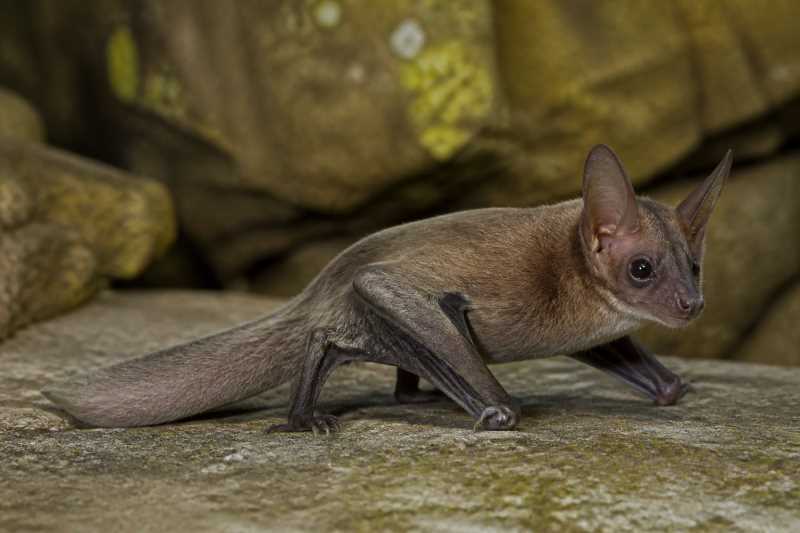
The African Sheath-tailed Bat is a small to medium-sized bat, with a wingspan that can range from 25 to 30 centimeters. Its body length typically measures between 5 to 7 centimeters, and it weighs around 8 to 10 grams. The bat’s fur is generally a dark brown or grayish color, providing excellent camouflage in its natural habitats.
One of the most distinctive features of this species is its tail, which extends beyond the tail membrane and is enclosed in a sheath-like structure, giving the bat its common name. This unique tail structure distinguishes it from many other bat species and aids in its agile flight.
The ears of the African Sheath-tailed Bat are relatively large and rounded, with a well-developed tragus. Its eyes are small but adapted for night vision, complementing its nocturnal lifestyle. The bat’s snout is short, and it possesses sharp teeth that are well-suited for its insectivorous diet.
Range and Habitat
The African Sheath-tailed Bat is widely distributed across sub-Saharan Africa. It inhabits a variety of environments, including dry savannas, woodlands, and tropical forests. This adaptability to different habitats is one of the reasons for its widespread presence.
These bats are primarily found in regions with abundant insect populations, as their diet consists mainly of flying insects. They are often seen roosting in caves, hollow trees, and man-made structures such as buildings and bridges. The availability of suitable roosting sites is crucial for their survival, especially during the breeding season when females seek secure locations to give birth and rear their young.
Behavior and Diet
The African Sheath-tailed Bat is a nocturnal species, emerging from its roosts at dusk to forage for food. Its flight is characterized by swift, agile movements, which it uses to capture insects in mid-air. This bat primarily feeds on moths, beetles, and other small flying insects, using echolocation to navigate and locate its prey in the dark.
During the day, these bats rest in roosts that provide protection from predators and harsh environmental conditions. They are known to be social animals, often roosting in small colonies. Communication within these colonies is facilitated by a range of vocalizations and pheromones.
The African Sheath-tailed Bat breeds seasonally, with mating typically occurring in the warmer months. Females give birth to a single offspring, which they care for in communal nursery roosts. The young bats are weaned after a few weeks and are soon capable of independent flight.
Identification Tips
Identifying the African Sheath-tailed Bat in the field can be challenging due to its nocturnal habits and the presence of other similar bat species. However, certain features can aid in its recognition:
- Tail Structure: Look for the distinctive sheath-like tail that extends beyond the tail membrane.
- Size and Color: Note the bat’s medium size and dark brown or grayish fur.
- Ears and Tragus: Observe the large, rounded ears with a prominent tragus.
- Flight Pattern: Watch for agile, erratic flight patterns typical of insect-hunting bats.
Conservation Status
The African Sheath-tailed Bat is currently listed as Least Concern by the International Union for Conservation of Nature (IUCN). Despite its widespread distribution, the species faces several threats that could impact its populations in the future.
Threats
- Habitat Loss: Deforestation and land conversion for agriculture and urban development pose significant threats to the bat’s natural habitats.
- Roost Disturbance: Human activities, such as caving and construction, can disturb or destroy roost sites, affecting the bat’s breeding success.
- Pesticide Use: The use of pesticides in agriculture can reduce insect populations, thus limiting food availability for insectivorous bats.
Protections
Conservation efforts for the African Sheath-tailed Bat include the protection of critical habitats and the establishment of protected areas. Education and awareness programs are also vital to promote the importance of bats in ecosystems and reduce negative human impacts.
Frequently Asked Questions
1. What do African Sheath-tailed Bats eat? African Sheath-tailed Bats primarily feed on flying insects, such as moths and beetles. They use echolocation to hunt for prey during their nocturnal foraging activities.
2. Where can you find the African Sheath-tailed Bat? This species is found across sub-Saharan Africa, inhabiting environments such as savannas, woodlands, and tropical forests. They often roost in caves, hollow trees, and man-made structures.
3. How does the African Sheath-tailed Bat use echolocation? The bat emits high-frequency sound waves that bounce off objects and return as echoes, helping the bat navigate and locate prey in the dark.
4. Are African Sheath-tailed Bats endangered? Currently, the African Sheath-tailed Bat is listed as Least Concern, but it faces threats like habitat loss and pesticide use, which could affect its future populations.
5. What are the unique features of the African Sheath-tailed Bat? The species is known for its sheath-like tail structure, large rounded ears, and agile flight, which are key characteristics for identification.
Related posts