Malayan Porcupine (Hystrix brachyura): An In-Depth Look
Introduction
The Malayan porcupine, scientifically known as Hystrix brachyura, is a fascinating rodent species belonging to the family Hystricidae. Recognized for its distinctive quills and nocturnal habits, this porcupine plays a vital role in its ecosystem. Native to Southeast Asia, the Malayan porcupine is an intriguing subject of study due to its unique adaptations and behavioral patterns.
Porcupines are often misunderstood creatures, primarily due to their sharp quills, which they use as a formidable defense mechanism against predators. Despite their somewhat daunting appearance, these creatures are generally shy and prefer to avoid confrontation. This article delves into the various aspects of the Malayan porcupine, from its physical characteristics to its ecological significance.
Physical Description
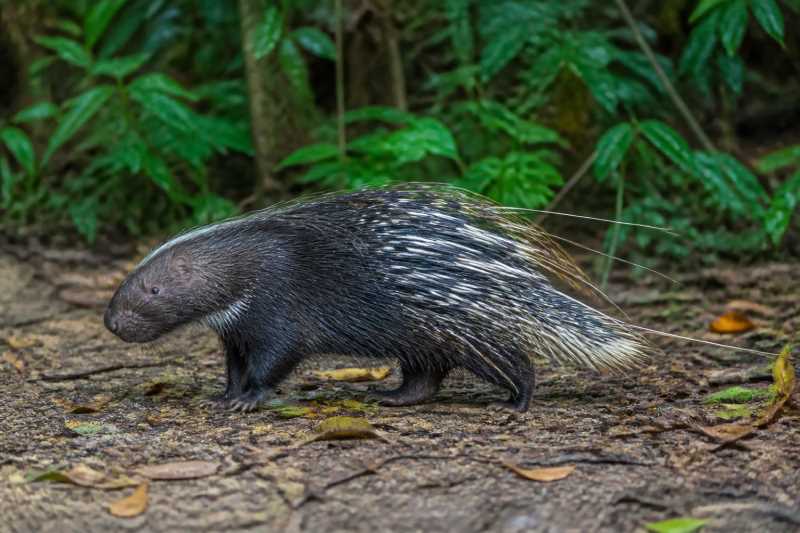
The Malayan porcupine is a medium to large rodent, with adults typically weighing between 10 to 20 kilograms (22 to 44 pounds). They possess a stout body covered in a coat of quills, which are modified hairs made of keratin. These quills vary in length, with some reaching up to 20 centimeters (8 inches), and serve as a protective barrier against predators.
The coloration of the Malayan porcupine ranges from dark brown to black, with a mix of white and lighter-colored quills. The face and underbelly are often lighter, providing some contrast to the overall dark appearance. The quills on their back are longer and more robust, while those on the sides and tail are shorter and more flexible. In addition to their quills, Malayan porcupines have small eyes and ears, a characteristic of their nocturnal lifestyle.
Range and Habitat
The Malayan porcupine is distributed across several countries in Southeast Asia, including Thailand, Malaysia, Indonesia, and parts of the Indian subcontinent. They inhabit a variety of environments, from dense tropical forests to open grasslands and even mountainous regions. This adaptability allows them to thrive in diverse ecological settings.
These porcupines prefer habitats that provide ample cover and food resources, such as areas with dense vegetation and abundant water sources. They are also known to inhabit agricultural lands, where they may come into conflict with human activities. The availability of natural shelters, such as caves or burrows, is crucial for their survival, as these provide protection from both predators and environmental extremes.
Behavior and Diet
Malayan porcupines are primarily nocturnal creatures, emerging from their shelters at dusk to forage for food. Their diet is predominantly herbivorous, consisting of roots, tubers, fruits, and bark. They have strong incisors that enable them to gnaw through tough plant material. Occasionally, they may consume insects or carrion, but plant material remains their primary food source.
These porcupines are solitary animals, with individuals maintaining distinct territories. Marking their territory with scent and vocalizations, they communicate with potential rivals to avoid confrontations. Despite their solitary nature, they may form loose groups during the breeding season.
Malayan porcupines are equipped with a unique defense mechanism. When threatened, they raise and fan out their quills, creating an imposing appearance. If the threat persists, they may charge backwards into the predator, using their quills to inflict painful wounds.
Identification Tips (Field Recognition Cues)
Identifying the Malayan porcupine in the wild requires attention to several key features:
- Quills: Look for the characteristic long, rigid quills that cover the back and sides. These are often black with white bands.
- Size and Shape: Note the stout body and relatively short legs, typical of porcupines.
- Coloration: Observe the dark brown to black body with lighter underparts and facial markings.
- Behavior: Spotting these nocturnal creatures is easier at dusk or night when they are active.
- Tracks and Signs: Look for large, rounded tracks and signs of gnawing on bark or roots.
Conservation Status (with Threats and Protections)
The Malayan porcupine is currently listed as Least Concern on the IUCN Red List, indicating that it is not at immediate risk of extinction. However, several factors threaten its population.
Threats
- Habitat Loss: Deforestation and agricultural expansion have led to significant habitat degradation.
- Hunting and Poaching: Porcupines are hunted for their meat and quills, which are used in traditional medicine and ornamentation.
- Human-Wildlife Conflict: As agricultural lands encroach on their habitats, porcupines may damage crops, leading to conflict with farmers.
Protections
Efforts to protect the Malayan porcupine include habitat preservation through the establishment of protected areas and wildlife sanctuaries. Education and awareness programs are crucial in reducing human-wildlife conflict and promoting sustainable coexistence.
Frequently Asked Questions
How do Malayan porcupines defend themselves?
Malayan porcupines use their sharp quills as a defense mechanism. When threatened, they raise their quills to appear larger and may charge backwards into a predator to deter an attack.
What do Malayan porcupines eat?
They primarily consume a herbivorous diet, including roots, tubers, fruits, and bark. Occasionally, they may eat insects or carrion.
Where can Malayan porcupines be found?
They are found across Southeast Asia, including countries like Thailand, Malaysia, Indonesia, and parts of India, inhabiting forests, grasslands, and sometimes agricultural areas.
Are Malayan porcupines endangered?
Currently, they are classified as Least Concern, but habitat loss and hunting pose significant threats to their population.
What adaptations help Malayan porcupines survive in the wild?
Their nocturnal habits, strong incisors for gnawing, and sharp quills for defense are key adaptations that aid their survival.
Related posts