Introduction
The Pantropical Spotted Dolphin (Stenella attenuata) is a fascinating marine mammal known for its wide distribution in tropical and subtropical oceans around the world. Renowned for its acrobatic displays and sociable nature, this dolphin species captivates researchers and marine enthusiasts alike. As an essential component of marine ecosystems, understanding its biology, behavior, and conservation status is critical for ensuring its continued survival. This article delves into the various aspects of the Pantropical Spotted Dolphin, including its physical characteristics, habitat, behavior, and the challenges it faces in the wild.
Physical Description
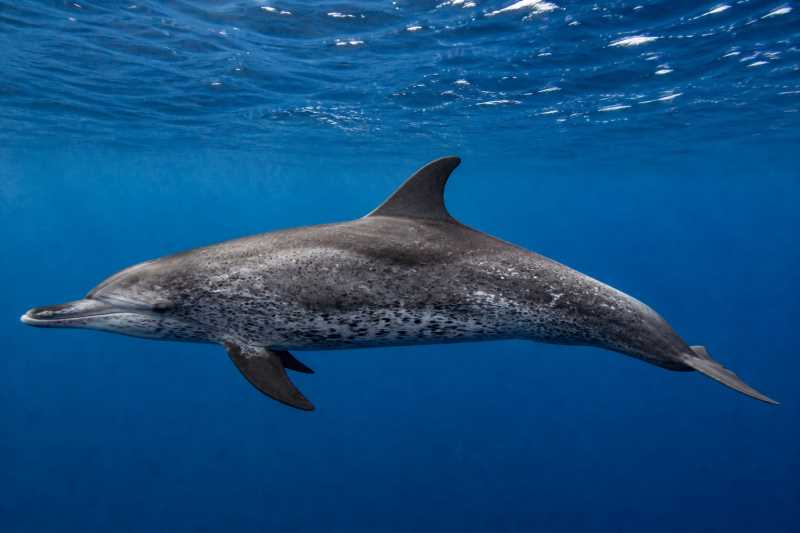
The Pantropical Spotted Dolphin is distinguished by its slender, streamlined body and distinctive spotted pattern, which varies with age and geographical location. Adults typically range from 1.7 to 2.5 meters in length and weigh between 90 to 115 kilograms. They possess a long, thin beak and a pronounced dorsal fin that is falcate, or sickle-shaped.
Coloration in this species is quite variable. Juveniles are born without spots, displaying a grayish hue that darkens with age. As they mature, spots develop on their bodies, with adults exhibiting a complex pattern of dark and light spots. The ventral side is generally lighter, while the dorsal side is darker, providing effective camouflage against predators. The degree of spotting differs significantly between offshore and coastal populations.
Range and Habitat
The Pantropical Spotted Dolphin inhabits a wide range of oceanic environments, primarily within the tropical and subtropical latitudes between 40° North and 40° South. They are found in the Atlantic, Pacific, and Indian Oceans, with notable populations in regions such as the Eastern Tropical Pacific and the Gulf of Mexico.
These dolphins are predominantly pelagic, meaning they reside in open ocean waters rather than coastal areas. They prefer warmer waters and are often associated with regions of high productivity, such as upwelling zones where nutrient-rich water supports an abundance of marine life. Occasionally, they venture closer to shore, particularly in areas where deep waters are accessible near the coastline.
Behavior and Diet
Pantropical Spotted Dolphins are highly social creatures, often forming large groups that can number in the hundreds or even thousands. These groups are fluid, with dolphins frequently joining or leaving pods. Social structure is complex and includes intricate communication through vocalizations and body language.
These dolphins are known for their energetic behavior, including breaching, bow-riding, and spinning. Such displays are thought to play roles in social interaction, communication, and predator avoidance.
Their diet primarily consists of small fish, squid, and crustaceans. They are opportunistic feeders, employing cooperative hunting techniques to corral prey. Echolocation is a crucial tool for locating food, especially in the deep, dark waters of the open ocean.
Identification Tips (Field Recognition Cues)
Identifying the Pantropical Spotted Dolphin in the field can be challenging due to their similarity to other dolphin species. However, several key features can aid in recognition:
- Spotting Pattern: Look for the characteristic spots that cover the body of mature individuals. The pattern and density of spots can vary, but they are a distinguishing feature.
- Dorsal Fin: The dorsal fin is tall and falcate, which can help differentiate it from other species with more triangular fins.
- Coloration: Note the distinct coloration with a lighter belly and darker back, which is typical of the species.
- Behavior: Their acrobatic behavior, such as spinning and leaping, is often seen in this species and can be a helpful identification clue.
Conservation Status (With Threats and Protections)
The Pantropical Spotted Dolphin is currently classified as "Least Concern" by the International Union for Conservation of Nature (IUCN). However, certain populations have been heavily impacted by human activities, leading to localized declines.
Threats
- Bycatch: One of the most significant threats to this species is bycatch in tuna purse seine fisheries, particularly in the Eastern Tropical Pacific. Dolphins are often caught accidentally while targeting tuna.
- Habitat Degradation: Pollution, including plastic debris and chemical contaminants, poses a risk to their health and habitat.
- Climate Change: Altered ocean temperatures and currents can affect prey availability and distribution, impacting dolphin populations.
Protections
International agreements, such as the Agreement on the Conservation of Small Cetaceans of the Baltic and North Seas (ASCOBANS) and the Convention on Migratory Species (CMS), provide frameworks for the protection of dolphin species, including the Pantropical Spotted Dolphin. Additionally, efforts to reduce bycatch through improved fishing techniques and gear modifications are ongoing.
Frequently Asked Questions
1. What is the lifespan of a Pantropical Spotted Dolphin?
Pantropical Spotted Dolphins typically live between 40 to 50 years in the wild. Their lifespan can be influenced by factors such as environmental conditions, availability of food, and threats from human activities.
2. How do Pantropical Spotted Dolphins communicate?
These dolphins communicate using a range of vocalizations, including clicks, whistles, and pulsed sounds. They also use body language, such as leaping and tail slapping, to convey messages within their pods.
3. Why are Pantropical Spotted Dolphins often seen with tuna?
Pantropical Spotted Dolphins are frequently found in association with tuna because they share similar prey and habitat preferences. This association has led to significant bycatch issues in the tuna fishing industry.
4. Are Pantropical Spotted Dolphins endangered?
While the species as a whole is not considered endangered, certain populations have experienced declines due to human-related threats, particularly bycatch in the Eastern Tropical Pacific.
5. What adaptations help Pantropical Spotted Dolphins survive in their environment?
These dolphins have developed several adaptations, including echolocation for hunting, a streamlined body for efficient swimming, and social behaviors that enhance group survival.
Related posts