Introduction
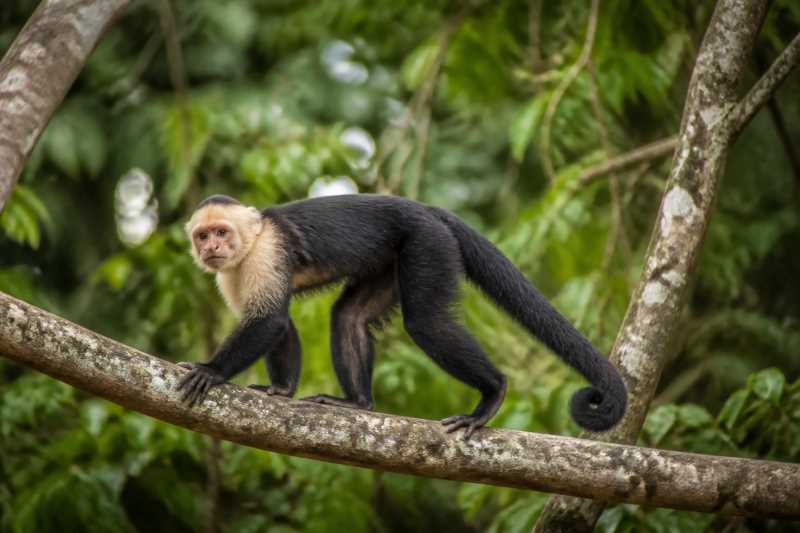
The White-fronted Capuchin (Cebus albifrons) is a fascinating New World monkey species that captivates researchers and wildlife enthusiasts alike. Known for its intelligence and social behavior, this primate inhabits the tropical forests of South America. With its distinctive white face and agile movements, the White-fronted Capuchin plays a crucial role in its ecosystem. This article delves into the various aspects of this remarkable species, including its physical characteristics, habitat, behavior, and conservation status.
Physical Description
The White-fronted Capuchin is a medium-sized primate, with adults typically weighing between 2.5 to 3.5 kilograms (5.5 to 7.7 pounds) and measuring about 33 to 45 centimeters (13 to 18 inches) in body length, excluding the tail. The tail itself can be as long as the body, providing balance and support when navigating through the forest canopy.
The most striking feature of the White-fronted Capuchin is its white or light-colored face, which contrasts sharply with its darker body fur. The rest of the body is covered in coarse fur that ranges in color from brown to grayish-brown, often with a slightly lighter chest and underbelly. The capuchin’s limbs are strong and muscular, adapted for life in the trees, while its dexterous hands and feet are perfect for grasping branches and manipulating objects.
Range and Habitat
The White-fronted Capuchin is native to the tropical and subtropical forests of South America, with a range that stretches across several countries, including Colombia, Venezuela, Ecuador, Peru, and Brazil. These monkeys are highly adaptable and can be found in a variety of forest types, from lowland rainforests to montane forests and even dry deciduous forests.
Capuchins are primarily arboreal, spending most of their time in the forest canopy. They are often found in mixed-species groups, which can provide additional protection against predators. These primates prefer habitats with a rich diversity of fruiting trees, which are a crucial component of their diet.
Behavior and Diet
The White-fronted Capuchin is known for its complex social structures and behaviors. They live in groups ranging from 5 to 30 individuals, consisting of multiple males, females, and their offspring. Within these groups, capuchins exhibit a variety of social interactions, including grooming, play, and cooperative foraging.
These monkeys are omnivorous, with a diet that includes fruits, nuts, seeds, insects, and small vertebrates. They are particularly known for their problem-solving abilities, often using tools such as sticks to extract insects from crevices or crack open hard nuts.
Capuchins are diurnal, meaning they are active during the day. They spend much of their time foraging for food, and their dietary needs and preferences can vary depending on the season and availability of resources.
Identification Tips (Field Recognition Cues)
Identifying the White-fronted Capuchin in the wild can be a rewarding experience for wildlife enthusiasts. Here are some key field recognition cues to help you spot this species:
- Facial Markings: Look for the distinctive white or light-colored face, which is a key identifying feature.
- Body Size and Shape: Observe the medium-sized, agile body with a long, prehensile tail used for balance.
- Coloration: Note the contrast between the lighter face and the darker body fur, which can range from brown to grayish-brown.
- Behavior: Watch for their dynamic movements in the trees and social interactions within groups.
- Vocalizations: Listen for their high-pitched calls and vocalizations, often used to communicate with group members.
Conservation Status (With Threats and Protections)
The White-fronted Capuchin is currently listed as Least Concern by the International Union for Conservation of Nature (IUCN). However, like many other primate species, it faces a range of threats that could impact its long-term survival.
Threats
- Habitat Destruction: Deforestation due to logging, agriculture, and urbanization is a significant threat, leading to habitat loss and fragmentation.
- Hunting and Pet Trade: Capuchins are sometimes hunted for bushmeat or captured for the illegal pet trade. This practice poses a considerable risk to local populations.
- Climate Change: Alterations in climate patterns can affect the availability of food resources and suitable habitats, putting additional stress on capuchin populations.
Protections
- Protected Areas: Many populations of White-fronted Capuchins are found within protected reserves and national parks, which help safeguard their habitats.
- Conservation Programs: Various organizations are working to conserve tropical forests and promote sustainable land use practices.
- Research and Education: Ongoing research and educational programs aim to raise awareness about the importance of conserving capuchins and their habitats.
Frequently Asked Questions
What makes the White-fronted Capuchin unique?
The White-fronted Capuchin stands out due to its intelligence, social complexity, and ability to use tools. These traits make them one of the most studied New World monkeys, providing insight into primate behavior and cognition.
How do White-fronted Capuchins communicate?
Capuchins use a variety of vocalizations, body postures, and facial expressions to communicate with each other. These communications can convey information about food sources, alert group members of potential danger, and maintain social bonds.
What role do White-fronted Capuchins play in their ecosystem?
As omnivores, White-fronted Capuchins play a vital role in seed dispersal, which helps maintain forest diversity. Their foraging activities also help control insect populations, contributing to the ecological balance of their habitat.
Are White-fronted Capuchins endangered?
Currently, the White-fronted Capuchin is not considered endangered, but it faces threats from habitat destruction and human activities. Conservation efforts are crucial to ensure their survival in the wild.
How can I help conserve White-fronted Capuchins?
Supporting conservation organizations, advocating for sustainable land use practices, and raising awareness about the importance of preserving tropical forests are ways to help protect White-fronted Capuchins and their habitats.
Related posts