Sonoran Harvest Mouse (Reithrodontomys burti): A Comprehensive Guide
Introduction
The Sonoran Harvest Mouse, scientifically known as Reithrodontomys burti, is a small rodent species that inhabits the arid regions of North America. This elusive mammal is primarily found in the Sonoran Desert, a region known for its rich biodiversity and unique ecosystems. Despite its small size, the Sonoran Harvest Mouse plays a crucial role in its habitat, contributing to seed dispersion and serving as a food source for various predators. This article provides a detailed exploration of this fascinating species, covering its physical characteristics, habitat preferences, behaviors, and conservation status.
Physical Description
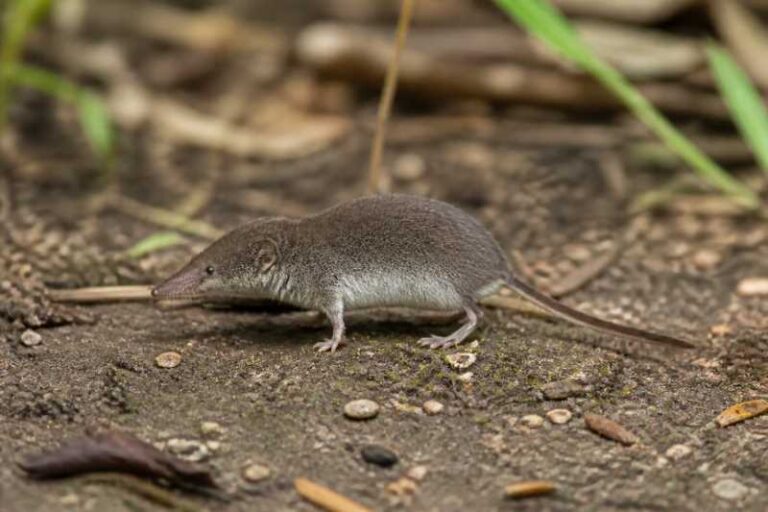
The Sonoran Harvest Mouse is a diminutive rodent, with adults typically weighing between 10 to 20 grams and measuring approximately 14 to 18 centimeters in total length, including the tail. Its fur is a blend of brown and gray tones, allowing it to blend seamlessly into its desert surroundings. The underparts are usually lighter, often a pale gray or white, which provides a subtle contrast.
One of the distinguishing features of the Sonoran Harvest Mouse is its pronounced ears, which are relatively large compared to its body size, aiding in thermoregulation and sound detection. Its tail is long and slender, often as long as the body itself, covered with fine hairs that assist in balance during movement through its often rocky terrain. The mouse’s feet are adapted for a semi-arboreal lifestyle, with sharp claws that enable it to climb shrubs and small trees effectively.
Range and Habitat
The Sonoran Harvest Mouse is endemic to the Sonoran Desert, which spans parts of the southwestern United States and northwestern Mexico. This region is characterized by its arid climate, with hot summers and mild winters, and it supports a diverse range of plant and animal life. The mouse is typically found in areas with dense vegetation, such as creosote bush scrublands, mesquite thickets, and areas with abundant cacti.
These habitats provide the necessary cover and food resources for the Sonoran Harvest Mouse. The presence of dense vegetation is crucial for protection from predators and harsh environmental conditions. The mouse is also known to inhabit areas near water sources, such as washes and arroyos, where plant diversity tends to be higher.
Behavior and Diet
The Sonoran Harvest Mouse is primarily nocturnal, spending the cooler nighttime hours foraging for food. Its diet consists mainly of seeds, grains, and small insects. During the day, it seeks refuge from the intense desert sun by resting in burrows or under dense vegetation.
This species is known for its agility and climbing ability, often venturing into low shrubs to forage. Its behavior is largely solitary, although it may be seen in small groups during the breeding season. The Sonoran Harvest Mouse is also adept at constructing nests, which are typically made from grasses and other plant materials, providing insulation and protection for its young.
Identification Tips (Field Recognition Cues)
Identifying the Sonoran Harvest Mouse in the field requires a keen eye and attention to detail. Here are some tips to help you recognize this species:
- Size and Shape: Look for a small rodent with a long tail and large ears. Its body length is typically around 7 to 9 centimeters, excluding the tail.
- Fur Color: Observe the coloration. The Sonoran Harvest Mouse has a brownish-gray upper body with a lighter underside.
- Behavior: Note its activity during dusk and night. If you see a small mouse climbing shrubs or scurrying through dense vegetation, it could be the Sonoran Harvest Mouse.
- Habitat: Check the location. If you’re in a dense, vegetated area within the Sonoran Desert, there’s a good chance of encountering this species.
Conservation Status (With Threats and Protections)
The Sonoran Harvest Mouse is currently classified as a species of Least Concern by the International Union for Conservation of Nature (IUCN). However, its habitat is under pressure from human activities such as urban development, agriculture, and climate change.
Habitat destruction poses the most significant threat, as it reduces the available space and resources necessary for the survival of this species. Conservation efforts are crucial to preserving the natural habitats of the Sonoran Harvest Mouse. Protected areas, such as national parks and wildlife reserves, play a vital role in conserving these ecosystems.
Efforts to mitigate the impact of human activities include land management practices that prioritize habitat conservation and restoration. Public awareness and education are also essential in promoting the importance of protecting this and other native species.
Frequently Asked Questions
What do Sonoran Harvest Mice eat?
Sonoran Harvest Mice primarily feed on seeds, grains, and small insects. Their diet is well-suited to the arid desert environment, where they forage for food primarily at night.
Where can I find Sonoran Harvest Mice?
You can find Sonoran Harvest Mice in the Sonoran Desert, particularly in areas with dense vegetation such as creosote bush scrublands and mesquite thickets. They are most active during the nighttime.
How do Sonoran Harvest Mice contribute to their ecosystem?
Sonoran Harvest Mice play a crucial role in their ecosystem by aiding in seed dispersion and serving as prey for a variety of predators. Their activities help maintain the ecological balance in their habitat.
Are Sonoran Harvest Mice endangered?
No, the Sonoran Harvest Mouse is currently classified as a species of Least Concern. However, habitat destruction remains a significant threat to its population.
How can I help protect Sonoran Harvest Mice?
Supporting conservation efforts, promoting habitat preservation, and raising awareness about the importance of desert ecosystems are all ways to help protect the Sonoran Harvest Mouse.
Related posts