Introduction
The South American Coati, scientifically known as Nasua nasua, is a fascinating mammal native to the diverse ecosystems of South America. Also commonly referred to as the ring-tailed coati, this species is a member of the Procyonidae family, which also includes raccoons and olingos. Coatis have gained popularity due to their playful demeanor and unique appearance, making them a subject of interest for wildlife enthusiasts and researchers alike. This article delves into the various aspects of the South American Coati, from its physical characteristics and habitat preferences to its behaviors and dietary habits.
Physical Description
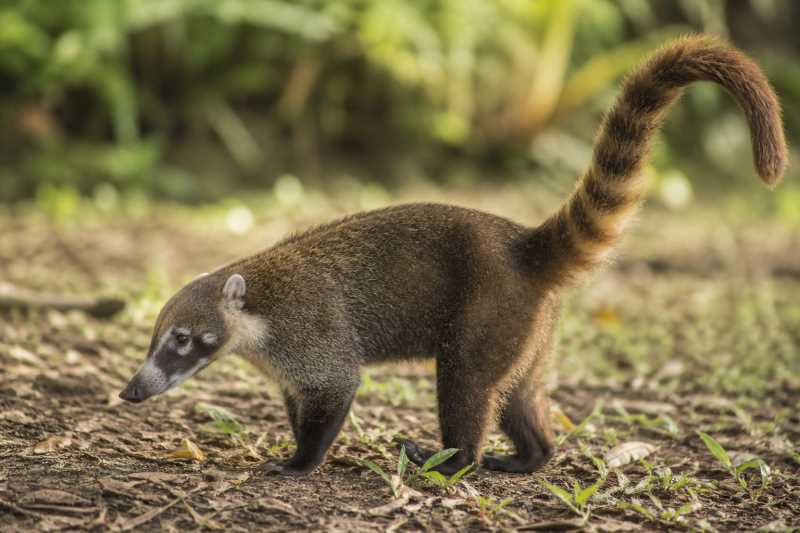
The South American Coati is a medium-sized mammal characterized by its elongated body and distinctive ringed tail. Adults typically weigh between 3 to 6 kilograms (6.6 to 13.2 pounds) and measure approximately 41 to 67 centimeters (16 to 26 inches) in body length, with an additional tail length of 32 to 69 centimeters (12.6 to 27.2 inches). Their fur is generally a rich reddish-brown color, although it can vary from yellowish to dark brown depending on the region and individual.
One of the most distinctive features of the coati is its long, flexible snout, which is used for foraging and manipulating food. Their snouts are highly sensitive and mobile, allowing them to explore crevices and unearth hidden food sources. Coatis have strong limbs and sharp claws, making them excellent climbers and diggers.
Their tails, often held erect with bold black rings, provide balance and communication cues within their social groups. The coati’s facial markings, including a band of white fur around their eyes and a white spot on their snout, add to their striking appearance.
Range and Habitat
South American Coatis are widely distributed across the continent, inhabiting countries such as Brazil, Argentina, Uruguay, Paraguay, and Colombia. They thrive in various ecosystems, including tropical rainforests, savannas, and scrublands. Coatis are highly adaptable and can be found from sea level to elevations of up to 2,500 meters (8,200 feet).
Preferring areas with abundant vegetation, coatis often reside in forested regions where they can find shelter and ample food sources. They are particularly fond of areas with fruit-bearing trees, as their diet is heavily reliant on fruits and insects. The adaptability of coatis to different habitats is a testament to their evolutionary success across South America.
Behavior and Diet
South American Coatis are diurnal creatures, meaning they are active during the day. They are highly social animals, often living in bands consisting of up to 30 individuals. These groups are primarily made up of females and their offspring, while adult males tend to lead more solitary lives, joining groups only during the breeding season.
Coatis are omnivorous, with a diet that includes fruits, insects, small vertebrates, and bird eggs. Their foraging behavior is characterized by a combination of climbing, digging, and snout probing. Coatis use their keen sense of smell to locate food, and their dexterous paws to manipulate objects and uncover hidden prey.
Group living provides several advantages, such as increased protection from predators and enhanced foraging efficiency. Coatis communicate through a series of vocalizations, body postures, and tail movements to coordinate their activities and maintain social bonds.
Identification Tips (Field Recognition Cues)
Identifying the South American Coati in the field can be facilitated by observing the following characteristics:
- Tail: Look for the long, ringed tail that is often held upright, which is a distinctive feature of the coati.
- Snout: The elongated, flexible snout is another prominent identifier, used actively for foraging.
- Coloration: Note the reddish-brown to dark brown fur, with variations depending on the individual and region.
- Facial Markings: White facial markings, including the band around the eyes and the spot on the snout, are key features.
- Behavior: Coatis are typically seen in groups, displaying social behaviors such as playing or grooming.
Conservation Status (with Threats and Protections)
The South American Coati is currently listed as a species of "Least Concern" by the International Union for Conservation of Nature (IUCN). Despite their wide distribution and adaptability, coatis face several threats that could impact their populations in the future.
Threats
- Habitat Destruction: Deforestation and land conversion for agriculture pose significant threats to coati habitats, reducing the availability of food and shelter.
- Hunting: In some areas, coatis are hunted for their meat and fur, which can lead to population declines.
- Pet Trade: Coatis are sometimes captured for the exotic pet trade, which can disrupt local populations.
Protections
Several measures are in place to protect coatis and their habitats:
- Protected Areas: Many countries have established national parks and reserves that safeguard critical coati habitats.
- Conservation Programs: Organizations are working to promote conservation education and sustainable land use practices.
- Legal Protections: Laws in some countries regulate hunting and trade to prevent the over-exploitation of coatis.
Conservation efforts must continue to ensure the long-term survival of the South American Coati, especially in the face of ongoing environmental changes.
Frequently Asked Questions
What do South American Coatis eat?
South American Coatis have an omnivorous diet, primarily consuming fruits, insects, small vertebrates, and bird eggs. They use their flexible snouts and paws to forage efficiently.
Where do South American Coatis live?
Coatis inhabit a range of environments across South America, including tropical rainforests, savannas, and scrublands. They are adaptable to various elevations and climates.
How do South American Coatis communicate?
Coatis communicate through vocalizations, body language, and tail movements. These signals help coordinate group activities and maintain social cohesion.
Are South American Coatis endangered?
Currently, the South American Coati is classified as "Least Concern" by the IUCN, but they face threats from habitat destruction, hunting, and the pet trade.
How can you identify a South American Coati?
Key identifiers include their long ringed tail, elongated snout, reddish-brown fur, and distinctive facial markings. Observing their social behavior in groups can also aid identification.
Related posts