Marine Otter (Lontra felina): A Comprehensive Insight
Introduction
The Marine Otter (Lontra felina), also known as the sea cat, is one of the lesser-known yet fascinating creatures residing along the rugged coastlines of South America. Unlike its more famous cousin, the sea otter, the marine otter is a member of the weasel family and is uniquely adapted to life along rocky shores. This article delves into the intriguing world of the marine otter, exploring its physical characteristics, habitat, behavior, and conservation status.
Physical Description
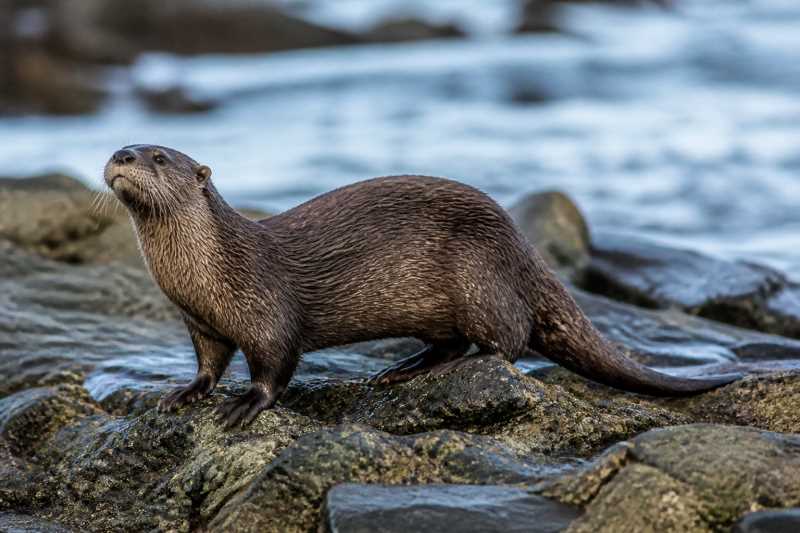
Marine otters are small to medium-sized mammals with a slender, elongated body designed for agility both in water and on land. They typically measure between 87 to 115 cm (34-45 inches) in length, with a tail that accounts for about one-third of their total length. The average weight of an adult marine otter ranges from 3 to 5 kg (6.6 to 11 lbs), making it one of the smallest otter species in the world.
Their fur is dense and water-repellent, providing insulation against the cold waters of the Pacific Ocean. The fur coloration ranges from dark brown to a lighter, silvery shade, often with a paler underside. Marine otters have a flattened head with a broad snout and small, round ears that can close to prevent water entry. Their webbed feet and strong, muscular tails aid in swimming, while sharp claws and whiskers help in hunting and foraging.
Range and Habitat
The marine otter is native to the western coast of South America, primarily found along the coasts of Peru, Chile, and parts of southern Argentina. They inhabit rocky shorelines, coastal caves, and islets where they have access to abundant food sources. Unlike other otter species that require fresh water, marine otters are fully adapted to saltwater environments, often seen swimming in the intertidal and subtidal zones.
Their habitat preferences include areas with abundant kelp forests, which provide shelter and hunting grounds. They are particularly associated with areas that have a high abundance of rocky crevices and caves, utilized for resting and avoiding predators. The availability of prey and suitable resting spots are crucial factors influencing their distribution along the coast.
Behavior and Diet
Marine otters are solitary or found in small familial groups, unlike the social groups seen in some other otter species. They are diurnal, primarily active during the day, with peak activity during low tide when more foraging opportunities are available. Their diet is diverse, consisting mainly of marine invertebrates such as crustaceans, mollusks, and sea urchins. They are also known to consume fish and occasionally birds.
Marine otters are proficient hunters, using their sensitive whiskers to detect prey in murky waters. They employ various hunting strategies, from rummaging through kelp to diving into underwater crevices. Once a prey item is caught, they will often return to the surface to consume it, using their forepaws to manipulate and break open hard shells.
Identification Tips (Field Recognition Cues)
Identifying a marine otter in the field requires attention to certain key characteristics:
- Size and Shape: Look for a small, elongated body with a relatively long tail.
- Fur Color: Note the dark brown to silvery fur, often with a lighter underside.
- Behavior: Observe their solitary or small group behavior, and their preference for rocky coastlines.
- Habitat: Focus on rocky shorelines with kelp forests and abundant crevices.
- Swimming Style: Marine otters swim with a distinctive undulating motion, aided by their muscular tails and webbed feet.
Conservation Status (With Threats and Protections)
The marine otter is currently classified as Endangered by the International Union for Conservation of Nature (IUCN). Their population is estimated to be declining due to several anthropogenic threats. Habitat destruction, pollution, and competition with fisheries are significant challenges to their survival.
Coastal development and human disturbance have resulted in habitat fragmentation, reducing the availability of suitable resting and foraging sites. Pollution, particularly oil spills and plastic waste, poses a severe risk to their health and survival. Overfishing and bycatch in fishing nets are also critical issues, leading to direct mortality and reduced prey availability.
Conservation efforts are underway to protect marine otters, including the establishment of marine protected areas and legal protections against hunting and habitat destruction. Public awareness campaigns and research initiatives aim to improve understanding and support for this unique species.
Frequently Asked Questions
What is the main diet of marine otters?
Marine otters primarily feed on marine invertebrates such as crabs, mollusks, and sea urchins. They also consume fish and occasionally birds, using their sharp claws and sensitive whiskers to hunt effectively.
How do marine otters differ from sea otters?
Marine otters are smaller and more adapted to rocky, coastal environments, while sea otters are larger and often found floating in kelp beds. Marine otters are also more solitary compared to the social sea otters.
What are the main threats to marine otters?
The main threats include habitat destruction, pollution, competition with fisheries, and bycatch. Coastal development and human disturbance also contribute to their declining population.
Where can marine otters be found?
Marine otters are found along the coasts of Peru, Chile, and parts of southern Argentina, particularly in rocky shorelines and kelp forests.
Are marine otters protected by any laws?
Yes, marine otters are protected by national and international laws, including marine protected areas and regulations against hunting and habitat destruction.
Related posts