Major’s Shrew Tenrec (Microgale majori): An In-Depth Exploration
Introduction
The Major’s Shrew Tenrec, scientifically known as Microgale majori, is a fascinating mammal native to the lush island of Madagascar. As part of the diverse Tenrecidae family, this species exhibits unique adaptations and behaviors that have piqued the interest of biologists and naturalists alike. This article delves into the various aspects of Major’s Shrew Tenrec, from its physical characteristics to its ecological role, providing a comprehensive overview for enthusiasts and researchers.
Physical Description
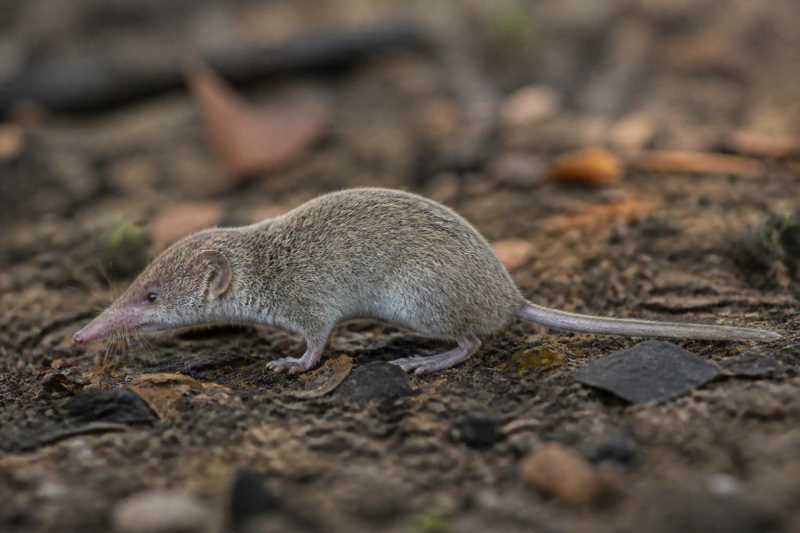
Major’s Shrew Tenrec is a small, insectivorous mammal distinguished by its elongated, slender body and pointed snout. The body length ranges from 10 to 15 cm, with a tail measuring approximately 8 to 12 cm. This species exhibits a soft, dense fur coat, which is typically grayish-brown, providing effective camouflage against the forest floor. Their limbs are short yet robust, equipped with sharp claws that facilitate digging and foraging through leaf litter.
The eyes of Microgale majori are relatively small, adapted to their nocturnal lifestyle, while their ears are diminutive yet sensitive, aiding in detecting the faintest of sounds. These physical traits underscore their adaptation to a subterranean and nocturnal existence, relying heavily on tactile and auditory cues rather than visual ones.
Range and Habitat
Native exclusively to Madagascar, Major’s Shrew Tenrec inhabits the eastern rainforests and montane regions of the island. These areas are characterized by high humidity, dense vegetation, and rich biodiversity, offering abundant resources and shelter. This species thrives in undisturbed forest habitats, although it can occasionally be found in secondary forests that offer adequate cover and foraging opportunities.
The specific geographic range extends from lowland rainforests to elevations of up to 2,000 meters in montane areas. This adaptability to various altitudes highlights the species’ ecological versatility, although their preference remains for humid, densely vegetated environments that provide ample insect prey.
Behavior and Diet
Major’s Shrew Tenrec is primarily nocturnal, emerging at night to forage for food. Their diet mainly consists of insects, worms, and other small invertebrates. Their keen sense of smell and hearing are crucial for locating prey beneath the forest floor or within leaf litter. They use their pointed snout to probe through the substrate, uncovering hidden invertebrates.
Social behavior in this species is largely solitary, with individuals only coming together during the breeding season. Reproduction occurs annually, with the female giving birth to litters of 2 to 5 offspring after a gestation period of approximately 50 days. The young are altricial, requiring significant parental care before they can fend for themselves.
Identification Tips
Identifying Major’s Shrew Tenrec in the wild can be challenging due to their elusive nature. However, several key features can aid in recognition:
- Size and Shape: Look for a small, elongated body with a proportionately long tail.
- Fur Texture and Color: The dense, soft, grayish-brown fur is distinctive among forest floor dwellers.
- Behavior: Active primarily at night, they are often detected by their rustling movements in leaf litter.
- Habitat: Found in dense, humid forests; spotting them requires patience and a keen eye.
Conservation Status
As of the latest assessments, Major’s Shrew Tenrec is listed as Least Concern by the International Union for Conservation of Nature (IUCN). However, this status does not negate the threats they face, primarily habitat loss due to deforestation and land conversion for agriculture.
Madagascar’s forests are continually under pressure from human activities, and although Microgale majori has shown some adaptability, their reliance on forest habitats makes them vulnerable to habitat degradation. Conservation efforts focus on preserving primary forests and promoting sustainable land-use practices.
Frequently Asked Questions
What is the lifespan of Major’s Shrew Tenrec?
Major’s Shrew Tenrec typically lives for about 1.5 to 2 years in the wild. This relatively short lifespan is common among small mammals, where predation and environmental factors play significant roles.
How does Major’s Shrew Tenrec contribute to its ecosystem?
As insectivores, they help control insect populations, contributing to the ecological balance. Their foraging activities also aid in soil aeration, promoting healthy forest ecosystems.
Are there any predators of Major’s Shrew Tenrec?
Yes, they are preyed upon by larger mammals, birds of prey, and snakes. Their cryptic coloration and nocturnal habits serve as primary defenses against predation.
Can Major’s Shrew Tenrec be kept as pets?
While intriguing, Major’s Shrew Tenrec is not suitable as a pet. They have specialized habitat needs and play an important ecological role in the wild that should be preserved.
What conservation measures are in place for Major’s Shrew Tenrec?
Conservation measures include the protection of natural habitats through the establishment of reserves and national parks in Madagascar, as well as efforts to mitigate deforestation through sustainable practices.
Related posts