Highveld Golden Mole (Amblysomus septentrionalis): A Comprehensive Guide
Introduction
The Highveld Golden Mole, scientifically known as Amblysomus septentrionalis, is a fascinating and elusive mammal native to the grasslands of southern Africa. These small, subterranean creatures are part of the Chrysochloridae family, which is composed of various species of golden moles. Despite their name, golden moles are not related to true moles or rodents; instead, they belong to a unique order of mammals known as Afrosoricida. This article delves into the intricacies of the Highveld Golden Mole, providing insights into its physical characteristics, habitat, diet, and conservation status.
Physical Description
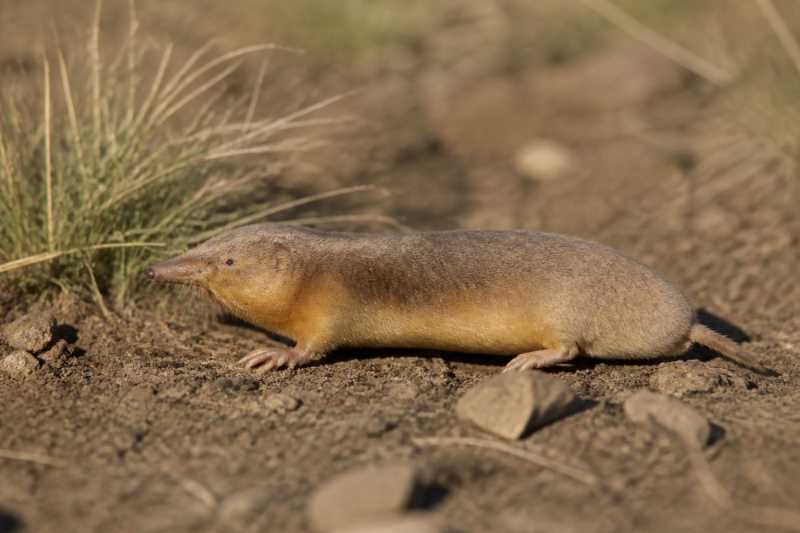
The Highveld Golden Mole is a small, compact mammal with a streamlined body adapted for a subterranean lifestyle. It typically measures between 10 to 15 centimeters in length and weighs approximately 40 to 70 grams. Its fur is soft and dense, exhibiting a golden to brownish hue that helps it blend seamlessly with its surroundings. The forelimbs of the Highveld Golden Mole are highly specialized for digging, featuring robust claws that are perfect for burrowing through soil. Unlike many other burrowing mammals, these moles lack external ears and have tiny, almost vestigial eyes, which are covered by skin and fur — adaptations that protect them from dirt and debris as they tunnel underground.
Range and Habitat
Highveld Golden Moles are predominantly found in the Highveld region of South Africa, a vast plateau characterized by its grassland ecosystem. This region provides the ideal habitat for these moles, with its loose, sandy soils that facilitate easy digging. Their range extends across several provinces, including Gauteng, Limpopo, and parts of Mpumalanga. The moles thrive in areas with undisturbed soil, such as open grasslands, gardens, and occasionally, agricultural fields. They prefer habitats with ample vegetation that offers protection and food resources.
Behavior and Diet
These solitary creatures are primarily nocturnal, emerging from their burrows during the night to forage. The Highveld Golden Mole’s diet consists mainly of invertebrates such as earthworms, termites, and other soil-dwelling insects. They are known to have a keen sense of hearing, which compensates for their poor eyesight and helps them locate prey underground. The moles use their powerful forelimbs to tunnel through the soil in search of food, creating extensive networks of burrows.
Socially, Highveld Golden Moles are rather reclusive, interacting with others of their kind mainly during the breeding season. They communicate through a series of low-frequency sounds and vibrations, which can be detected by their sensitive ears.
Identification Tips (Field Recognition Cues)
Identifying a Highveld Golden Mole in the field can be challenging due to their subterranean nature. However, there are several cues that can aid in recognition:
- Burrows and Tunnels: Look for small, raised ridges of soil that indicate the presence of burrows.
- Distinctive Fur Color: Their golden to brownish fur can sometimes be spotted in areas where they emerge from underground.
- No External Ears: Unlike some other small mammals, these moles lack visible ears.
- Reduced Eyes: Their eyes are covered by skin and fur, making them less prominent.
Conservation Status (with Threats and Protections)
The Highveld Golden Mole is currently listed as Near Threatened on the IUCN Red List. The primary threats facing this species include habitat destruction due to urbanization, agriculture, and mining activities. As their natural habitats are increasingly encroached upon, the moles face the risk of population decline.
Conservation efforts are focused on habitat preservation and restoration. Protecting regions of natural grassland and implementing sustainable land-use practices are crucial for the survival of this species. In addition, raising awareness about the ecological importance of golden moles can help garner support for their conservation.
Frequently Asked Questions
What is the primary diet of the Highveld Golden Mole?
The Highveld Golden Mole primarily feeds on invertebrates such as earthworms, termites, and other soil-dwelling insects. Their diet is well-suited to their subterranean lifestyle.
How do Highveld Golden Moles adapt to underground living?
Highveld Golden Moles have several adaptations for underground life, including reduced, skin-covered eyes, a lack of external ears, and strong forelimbs with large claws for digging.
Where can you find Highveld Golden Moles in the wild?
Highveld Golden Moles are found in the Highveld region of South Africa, inhabiting grasslands with loose, sandy soils that are ideal for burrowing.
Are Highveld Golden Moles endangered?
While not currently endangered, Highveld Golden Moles are classified as Near Threatened due to habitat loss and environmental changes, necessitating conservation efforts.
How do Highveld Golden Moles communicate?
These moles communicate through low-frequency sounds and vibrations, which they detect using their sensitive ears, despite their subterranean lifestyle.
Related posts