Introduction
Knud’s Horseshoe Bat (Rhinolophus canuti) is a fascinating and lesser-known species of bat within the family Rhinolophidae. Characterized by its distinctive horseshoe-shaped noseleaf, this bat is a vital component of its ecosystem, playing essential roles in insect population control and seed dispersal. Despite its significance, Rhinolophus canuti is not widely recognized outside the scientific community, making it a subject of interest for researchers and wildlife enthusiasts alike. This article delves into the various aspects of Knud’s Horseshoe Bat, including its physical characteristics, habitat, behavior, and conservation status, providing a comprehensive overview of this intriguing mammalian species.
Physical Description
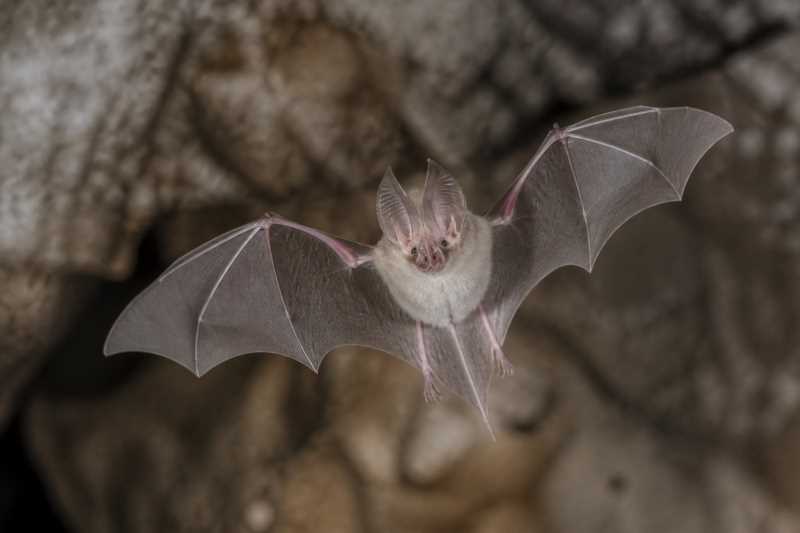
Knud’s Horseshoe Bat is a medium-sized bat with an average wingspan ranging from 30 to 35 centimeters and a body length of approximately 5 to 7 centimeters. It weighs between 10 to 15 grams, making it a relatively small bat species. One of the most distinguishing features of Rhinolophus canuti is its horseshoe-shaped noseleaf, which aids in echolocation by focusing sound waves emitted from the bat’s nose. This adaptation is crucial for hunting and navigation in the dark.
The bat’s fur is typically a dark brown color, with some individuals exhibiting lighter shades of gray or reddish-brown. The underparts are generally paler, providing a subtle contrast. The wings are thin and membranous, adapted for agile flight, and the ears are large, with a pointed tip, enhancing their auditory capabilities. The tail is short, protruding slightly beyond the wing membrane.
Range and Habitat
Knud’s Horseshoe Bat is primarily found in Southeast Asia, with its range extending across countries such as Malaysia, Indonesia, and parts of the Philippines. It inhabits tropical and subtropical regions, favoring dense forests, caves, and limestone karst formations. These environments offer the bat ample opportunities to roost and hunt insects, its primary food source.
The bat is known to prefer roosting in dark, humid environments, such as caves and hollow trees, where it can remain undisturbed during the day. At night, it emerges to forage, often covering considerable distances in search of food. The presence of water bodies, such as streams and rivers, within its habitat is crucial, as it supports a diverse insect population necessary for the bat’s diet.
Behavior and Diet
Knud’s Horseshoe Bat is primarily nocturnal, relying heavily on echolocation to navigate and hunt in the dark. Its diet consists mainly of insects, including moths, beetles, and flies, which it catches mid-flight with remarkable precision. The bat’s echolocation abilities are highly specialized, allowing it to detect and capture prey even in complete darkness.
Socially, Rhinolophus canuti is known to roost in small to medium-sized colonies, often comprising several dozen individuals. These colonies provide safety in numbers, reducing the risk of predation. Communication within the group is facilitated by a range of vocalizations, which serve various functions such as coordination during flight and alerting others to potential threats.
Breeding typically occurs once a year, with females giving birth to a single offspring after a gestation period of approximately three months. The young are nurtured and cared for in the roost until they are capable of independent flight and foraging.
Identification Tips (Field Recognition Cues)
Identifying Knud’s Horseshoe Bat in the field can be challenging due to its nocturnal nature and preference for secluded habitats. However, certain characteristics can aid in its recognition:
- Noseleaf Structure: The distinctive horseshoe-shaped noseleaf is a key feature, aiding in echolocation.
- Fur Color: Look for dark brown fur with possible variations of gray or reddish-brown.
- Size and Wingspan: Medium-sized bat with a wingspan of 30 to 35 centimeters.
- Roosting Habits: Often found in caves or hollow trees within tropical forests.
- Flight Patterns: Agile and erratic, typical of insectivorous bats.
Conservation Status (with Threats and Protections)
Knud’s Horseshoe Bat is currently classified as Near Threatened on the IUCN Red List. The primary threats to its survival include habitat loss due to deforestation and land use changes, as well as disturbance to roosting sites from human activity. Additionally, the use of pesticides in agriculture poses a significant threat by reducing insect populations, the bat’s primary food source.
Conservation efforts are focused on habitat protection and restoration, including the preservation of forested areas and the establishment of protected zones around key roosting sites. Public education and awareness campaigns are also crucial in promoting cohabitation and reducing human disturbance.
Frequently Asked Questions
What is the primary diet of Knud’s Horseshoe Bat?
Knud’s Horseshoe Bat primarily feeds on insects, including moths, beetles, and flies. It uses echolocation to detect and capture prey during its nocturnal foraging trips.
Where can Knud’s Horseshoe Bat be found?
This bat species is found in Southeast Asia, particularly in countries like Malaysia, Indonesia, and the Philippines. It inhabits tropical and subtropical forests, caves, and limestone karst regions.
How does Knud’s Horseshoe Bat use echolocation?
The bat uses its distinctive horseshoe-shaped noseleaf to emit sound waves, which bounce off objects and return as echoes. This allows the bat to navigate and hunt in complete darkness.
What are the main threats to Knud’s Horseshoe Bat?
The main threats include habitat loss due to deforestation, human disturbance at roosting sites, and reduced insect populations due to pesticide use.
How can we help conserve Knud’s Horseshoe Bat?
Conservation efforts include habitat protection, public awareness campaigns, and supporting policies that reduce deforestation and pesticide use.
Related posts