Introduction
The Long-tailed Singing Mouse (Scotinomys xerampelinus) is a captivating species known for its distinctive vocalizations and intriguing behaviors. This small rodent, native to the high-altitude cloud forests of Central America, particularly in regions of Costa Rica and Panama, is a subject of interest for both scientists and nature enthusiasts alike. Its unique singing abilities, which are used for territory establishment and mate attraction, make it an essential component in understanding the complex acoustic communications of mammals.
As a member of the Cricetidae family, the Long-tailed Singing Mouse is a close relative to the more widely recognized North American deer mice and voles. Despite its small size and somewhat elusive nature, this species plays a significant role in its ecosystem, contributing to seed dispersal and serving as prey for larger predators. In this article, we will explore the various aspects of the Long-tailed Singing Mouse, including its physical characteristics, habitat preferences, behaviors, and conservation status.
Physical Description
The Long-tailed Singing Mouse is a small rodent, measuring approximately 9 to 12 centimeters in body length, with a tail that extends an additional 6 to 9 centimeters. This tail is quite notable for being longer than the body, a feature that contributes to the species’ name. Weighing between 15 to 20 grams, the species exhibits sexual dimorphism, with males typically being slightly larger than females.
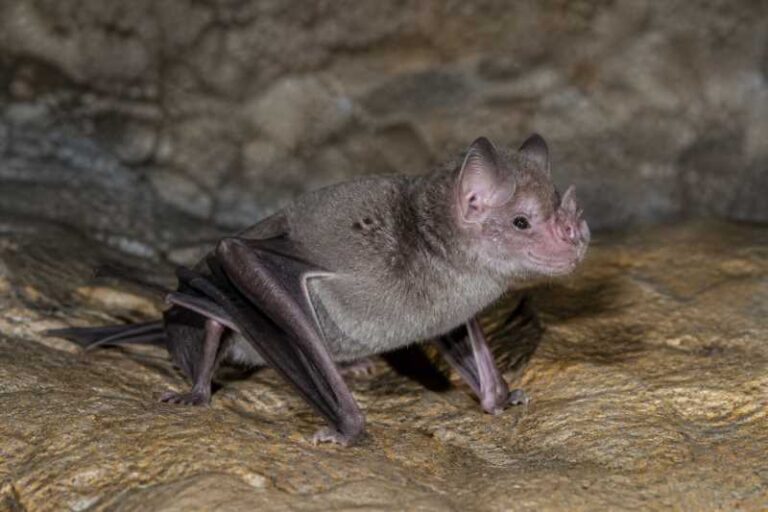
The fur of the Long-tailed Singing Mouse is soft and dense, providing insulation against the cool temperatures of its high-altitude habitat. The dorsal side is usually a rich, reddish-brown color, while the ventral side is a lighter, cream or white shade. This coloration provides effective camouflage against the forest floor. The mouse has prominent, rounded ears and large, dark eyes that are well-suited for its nocturnal lifestyle.
Range and Habitat
Scotinomys xerampelinus is primarily found in the high-altitude cloud forests of Central America. Its range spans from the Talamanca Mountain Range in Costa Rica to the western highlands of Panama. These regions are characterized by high humidity, frequent mist, and cooler temperatures compared to the lowland tropical forests.
The preferred habitat of the Long-tailed Singing Mouse includes dense undergrowth and areas with abundant leaf litter, where it can easily forage for food and remain concealed from predators. The cloud forests offer a unique ecosystem with a diverse array of plant and animal species, and the Long-tailed Singing Mouse plays a vital role within this environment.
Behavior and Diet
One of the most fascinating aspects of the Long-tailed Singing Mouse is its vocal behavior. Males are particularly known for their singing, which consists of a series of high-pitched trills and chirps. These vocalizations serve multiple purposes, including territory defense and attracting potential mates. The singing is most commonly heard during the breeding season, which occurs during the wetter months of the year.
In terms of diet, the Long-tailed Singing Mouse is omnivorous. It primarily feeds on seeds, fruits, and small insects, which it forages for in the leaf litter and low vegetation. The mouse’s diet varies seasonally, with a higher reliance on available fruits and seeds during the wet season.
Identification Tips (field recognition cues)
Identifying the Long-tailed Singing Mouse in the field can be challenging due to its small size and secretive nature. However, there are several key features to look for:
- Long Tail: As the name suggests, one of the most distinctive features is its long tail, which is typically longer than its body.
- Vocalizations: Listening for the high-pitched trills and chirps, particularly during the breeding season, can help in locating these mice.
- Fur Coloration: The reddish-brown and cream coloration provides camouflage but also serves as an identification marker.
- Habitat: Focus on areas with dense undergrowth and abundant leaf litter within cloud forests, as these are preferred habitats.
Conservation Status (with threats and protections)
The Long-tailed Singing Mouse is currently not listed as threatened or endangered, but its habitat is under pressure from various human activities. Deforestation for agriculture and urban development poses a significant threat to the cloud forests of Costa Rica and Panama. Climate change also presents a looming threat, as shifts in temperature and precipitation patterns could alter the delicate balance of these high-altitude ecosystems.
Conservation efforts are in place to protect the cloud forests, with several national parks and reserves established in both Costa Rica and Panama. These protected areas provide crucial sanctuary for the Long-tailed Singing Mouse and numerous other species. Continued research and monitoring are essential to ensure the preservation of this unique habitat and its inhabitants.
Frequently Asked Questions
1. What makes the Long-tailed Singing Mouse unique among rodents?
The Long-tailed Singing Mouse is unique due to its vocal abilities. Unlike most rodents, this species uses complex vocalizations for communication, particularly during mating and territorial disputes. These high-pitched trills and chirps set it apart from other mouse species, making it a fascinating subject of study in mammalian acoustic communication.
2. Where can I observe the Long-tailed Singing Mouse in the wild?
To observe the Long-tailed Singing Mouse in its natural habitat, one should visit the cloud forests of Costa Rica and Panama, particularly within protected areas like the Talamanca Mountain Range. Listening for their distinctive songs during dawn or dusk can increase chances of spotting these elusive creatures.
3. What are the primary threats to the Long-tailed Singing Mouse?
The primary threats to the Long-tailed Singing Mouse include habitat destruction due to deforestation and agricultural expansion. Climate change also poses a significant threat by altering the delicate ecosystems of the cloud forests.
4. How does the Long-tailed Singing Mouse contribute to its ecosystem?
The Long-tailed Singing Mouse plays a crucial role in seed dispersal, aiding in the propagation of plant species within the cloud forests. Additionally, as prey for larger predators, it is an integral part of the food web.
5. Are there any conservation efforts in place to protect the Long-tailed Singing Mouse?
Yes, there are conservation efforts in place, including the establishment of national parks and reserves in Costa Rica and Panama. These protected areas help preserve the cloud forest habitats crucial for the survival of the Long-tailed Singing Mouse and many other species.
Related posts