Long-tailed Lesser Hamster: A Comprehensive Guide
Introduction
The Long-tailed Lesser Hamster, scientifically known as Cricetulus longicaudatus, is a fascinating species of rodent that inhabits vast areas of Asia. Despite its relatively diminutive size, this hamster plays a significant role in its ecosystem. Understanding more about this species is crucial for biodiversity conservation efforts and provides insights into the complex web of life that sustains our planet. This article delves into various aspects of the Long-tailed Lesser Hamster, including its physical characteristics, habitat, behavior, diet, conservation status, and more.
Physical Description
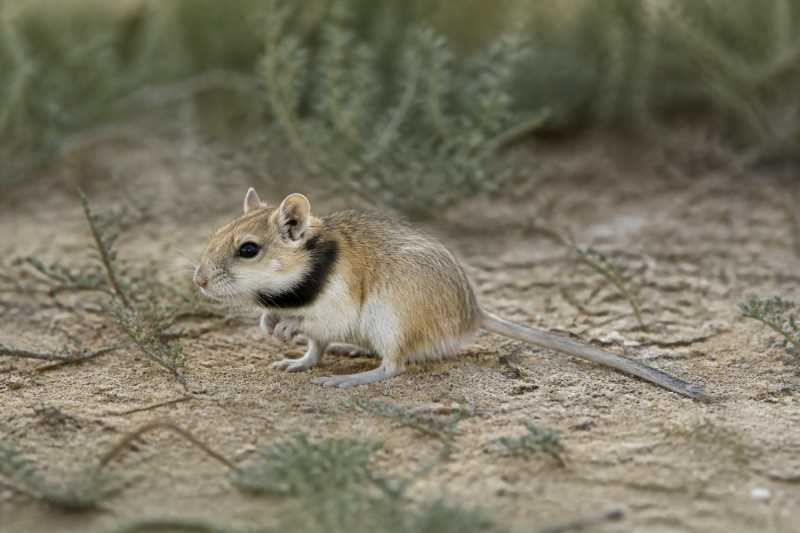
The Long-tailed Lesser Hamster is a small rodent, characterized by its long tail, which distinguishes it from other hamster species. The average length of an adult ranges from 10 to 13 centimeters, with the tail adding an additional 6 to 8 centimeters. This tail length is quite notable, as it is almost as long as the hamster’s body. The fur of the Long-tailed Lesser Hamster is typically a sandy-brown color with a lighter underbelly, which provides excellent camouflage in its natural habitat.
These hamsters have small, rounded ears and sharp, alert eyes that are well-adapted for their nocturnal lifestyle. Their robust cheek pouches are a distinctive feature, used to transport food back to their burrows. The Long-tailed Lesser Hamster’s limbs are short yet powerful, aiding in digging and burrowing activities.
Range and Habitat
Cricetulus longicaudatus is predominantly found in the arid and semi-arid regions of Central and East Asia. Its range extends across several countries, including Mongolia, China, and parts of Russia. The species is highly adaptable and can thrive in various environments, from sandy deserts to grassy steppes.
Their preferred habitats are typically open areas with loose soil, which facilitates their burrowing lifestyle. The Long-tailed Lesser Hamster is known to construct elaborate burrow systems that provide shelter from predators and harsh weather conditions. These burrows often have multiple entrances and chambers for nesting and food storage.
Behavior and Diet
The Long-tailed Lesser Hamster is a nocturnal creature, primarily active during the night. This behavior helps it avoid predators and the intense daytime heat in its natural habitat. It is a solitary animal, with each individual maintaining its own territory. These territories are marked using scent glands, and the hamsters are known for their aggressive behavior towards intruders.
The diet of the Long-tailed Lesser Hamster consists mainly of seeds, grains, and vegetation. However, they are opportunistic feeders and will also consume insects and small invertebrates when available. This varied diet helps them to survive in the harsh environments they inhabit. Their cheek pouches are used to collect and transport food back to their burrows, where it is stored for future consumption.
Identification Tips (Field Recognition Cues)
Identifying the Long-tailed Lesser Hamster in the wild requires a keen eye and awareness of its distinguishing features. Here are some tips for field recognition:
- Tail Length: As the name suggests, their long tail is a key identification marker.
- Fur Color: Look for the sandy-brown fur with a lighter underbelly.
- Behavior: Nocturnal activity patterns and solitary behavior are indicative of this species.
- Burrow Systems: Spotting complex burrow systems in open, arid landscapes can hint at their presence.
Conservation Status (with Threats and Protections)
Currently, the Long-tailed Lesser Hamster is classified as a species of "Least Concern" by the International Union for Conservation of Nature (IUCN). This status reflects its wide distribution and presumed large population. However, like many species, it faces threats from habitat destruction, climate change, and human encroachment.
Agricultural expansion and urban development are major contributors to habitat loss, while climate change poses a long-term threat by altering the temperature and precipitation patterns critical to the hamster’s survival. Despite these challenges, there are no significant conservation measures specifically targeting this species.
Protection of the Long-tailed Lesser Hamster’s habitat through the establishment of protected areas and sustainable land-use practices is essential. Further research into their population trends and ecological role could also bolster conservation efforts.
Frequently Asked Questions
What do Long-tailed Lesser Hamsters eat?
Long-tailed Lesser Hamsters primarily consume seeds, grains, and vegetation. They are opportunistic feeders and may also eat insects and small invertebrates.
Where can Long-tailed Lesser Hamsters be found?
These hamsters are native to Central and East Asia, particularly in Mongolia, China, and parts of Russia, thriving in arid and semi-arid regions.
Are Long-tailed Lesser Hamsters endangered?
The Long-tailed Lesser Hamster is classified as "Least Concern" by IUCN, but it faces threats from habitat destruction and climate change.
How do Long-tailed Lesser Hamsters survive in the wild?
They survive by being nocturnal, using their burrows for protection, and having a varied diet to adapt to the harsh conditions of their habitat.
How can you identify a Long-tailed Lesser Hamster?
Look for a small rodent with a notably long tail, sandy-brown fur with a lighter belly, and nocturnal, solitary behavior patterns.
Related posts