Introduction
The Libyan Jird, scientifically known as Meriones libycus, is an intriguing rodent that forms part of the diverse family of Muridae. This species has fascinated researchers and animal enthusiasts alike due to its adaptability to harsh environments and its social behaviors. The Libyan Jird is predominantly found in arid and semi-arid regions, showcasing remarkable survival strategies that allow it to thrive where few others can.
Physical Description
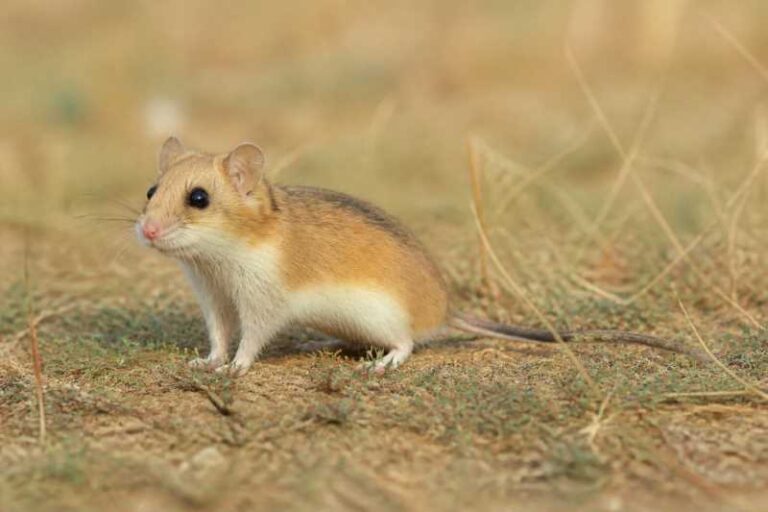
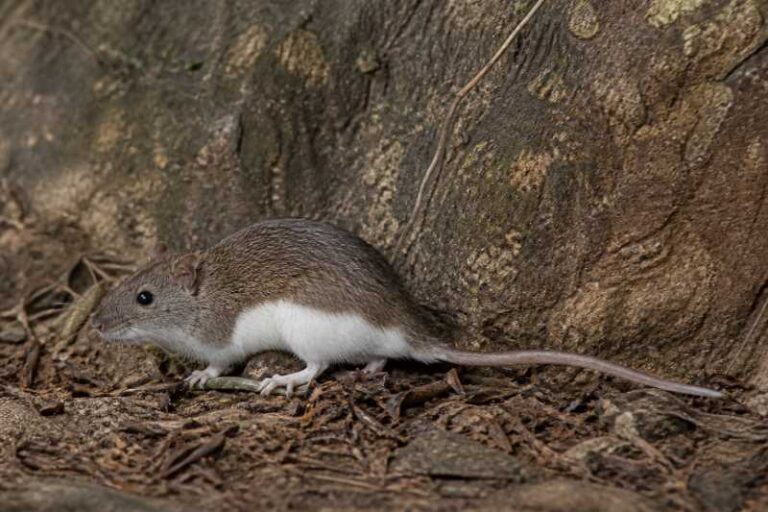
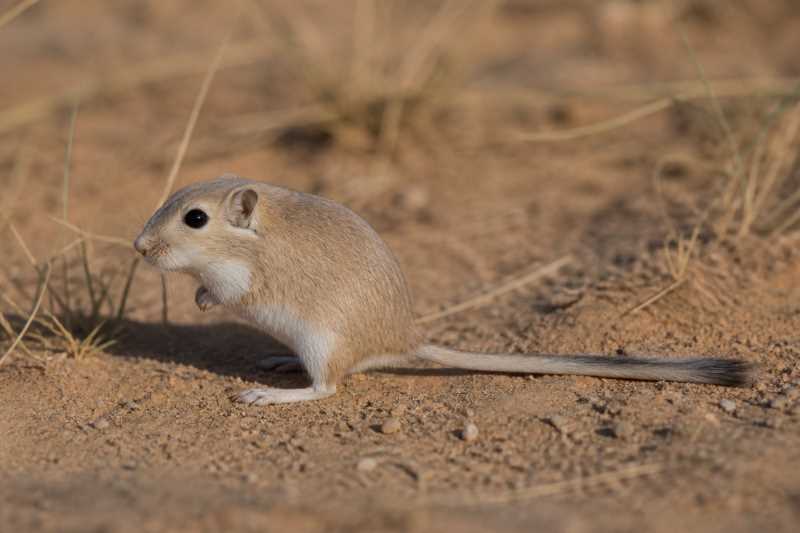
The Libyan Jird is a medium-sized rodent, often resembling a large gerbil. Adults typically measure between 10 to 15 centimeters in body length, with a tail that can add an additional 10 to 15 centimeters. They weigh approximately 100 to 200 grams. Their fur is soft and dense, colored in shades of sandy brown to match their desert surroundings, providing excellent camouflage. The underparts are usually lighter, often white or pale gray. Their large, dark eyes and long whiskers are adaptations for nocturnal activity, enhancing their sense of touch and vision in low-light conditions.
Range and Habitat
Meriones libycus is widely distributed across North Africa and parts of the Middle East. Its range extends from Morocco in the west to Iran in the east, covering countries such as Egypt, Libya, Algeria, Tunisia, and parts of the Arabian Peninsula. The species is highly adapted to desert ecosystems, but it can also be found in semi-desert and steppes. It prefers sandy soils where it can build extensive burrow systems to escape the extreme temperatures of its environment.
Behavior and Diet
Libyan Jirds are primarily nocturnal, spending daylight hours in their cool burrows and emerging at night to forage. They are omnivorous, with a diet consisting of seeds, grains, roots, and occasionally insects. Their foraging behavior is strategic, collecting food to store in their burrows for scarce times. Social creatures, Libyan Jirds often live in small colonies, which aids in protection from predators and helps maintain burrow systems. Communication is key among these rodents, using vocalizations and scent markings to convey messages within the group.
Identification Tips
Identifying the Libyan Jird in the field can be challenging due to their nocturnal nature and the vast, open habitats they occupy. However, several cues can aid in recognition. Look for their characteristic sandy coat and white underbelly, which distinguishes them from other similar species. Their large, round ears and long tail, often with a tuft at the end, are notable features. Observing their behavior can also be a clue, as they often dart quickly between cover and exhibit curious, exploratory movements.
Conservation Status
Currently, the Libyan Jird is listed as Least Concern by the IUCN Red List of Threatened Species. Despite their wide distribution and adaptability, they face threats from habitat destruction due to agricultural expansion, urbanization, and climate change. In some regions, they are also trapped for the pet trade. Conservation efforts focus on habitat protection and monitoring population trends to ensure this resilient species continues to thrive in its natural habitat.
Frequently Asked Questions
What does the Libyan Jird eat?
The Libyan Jird primarily feeds on seeds and grains, but it also consumes roots and insects. Their diet is adapted to the availability of food in their arid habitats.
Where can you find the Libyan Jird?
Libyan Jirds are found across North Africa and parts of the Middle East. They inhabit deserts, semi-deserts, and steppes, preferring sandy soils for burrowing.
How does the Libyan Jird adapt to desert life?
The Libyan Jird adapts to desert environments through behaviors like nocturnal activity to avoid daytime heat, building extensive burrows, and having a diet that can include minimal water sources.
Are Libyan Jirds endangered?
No, the Libyan Jird is not currently endangered. It is classified as Least Concern due to its wide range and stable population, although it faces threats from habitat changes.
What is the average lifespan of a Libyan Jird in the wild?
In the wild, Libyan Jirds typically live up to 3 years, although this can vary based on environmental conditions and predation pressures.
Related posts