Introduction
The Rossel Island Mosaic-tailed Rat, scientifically known as Melomys arcium, is a fascinating rodent species that inhabits the unique ecosystem of Rossel Island, part of the Louisiade Archipelago in Papua New Guinea. Though lesser-known compared to other mammalian species, the Rossel Island Mosaic-tailed Rat is an integral part of its native biodiversity. This article delves into the various aspects of this species, offering insights into its physical characteristics, habitat preferences, behaviors, and conservation challenges.
Physical Description
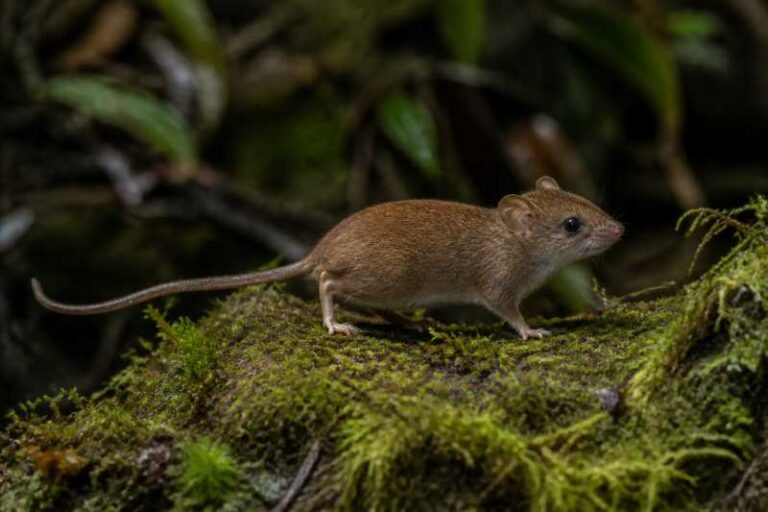
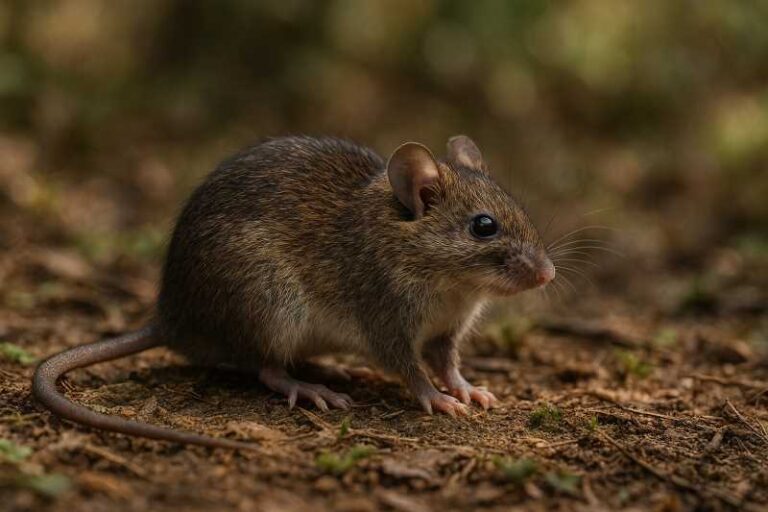
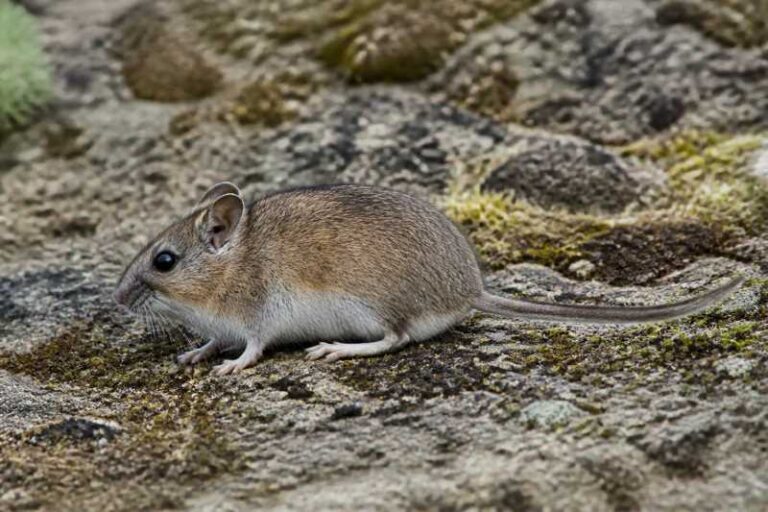
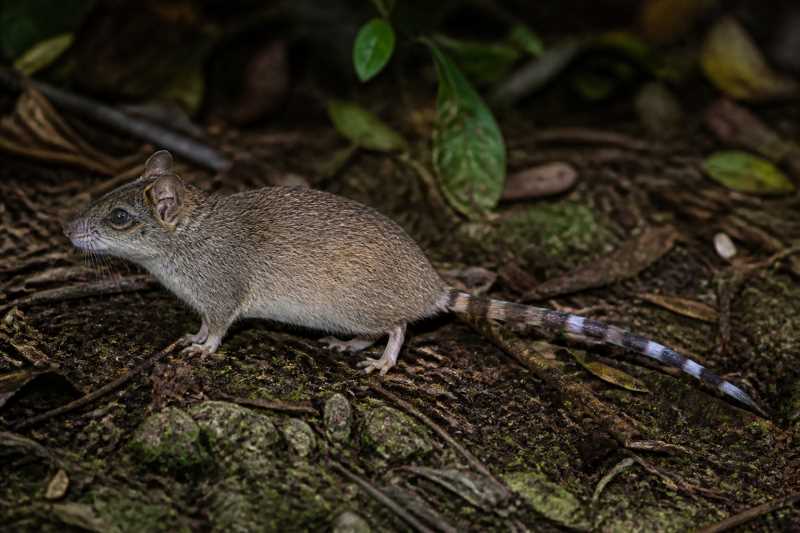
M. arcium is a small to medium-sized rodent, characterized by its distinctive mosaic-like tail pattern, which gives the species its common name. The tail is prehensile, aiding in climbing and balance, a vital adaptation for its arboreal lifestyle. Typically, the Rossel Island Mosaic-tailed Rat exhibits a fur coat that ranges from a grayish-brown to a more vibrant reddish-brown, depending on the individual’s age and environmental factors.
Adults typically weigh between 80 to 150 grams, with a body length (excluding the tail) averaging around 12 to 18 centimeters. The tail itself often matches or slightly exceeds the body length, enhancing the rat’s agility in its forested habitat. The eyes are relatively large, suggesting nocturnal activity, and the ears are proportionate, aiding in acute auditory senses necessary for predator evasion and foraging in the dense underbrush.
Range and Habitat
The Rossel Island Mosaic-tailed Rat is endemic to Rossel Island, which is part of the Louisiade Archipelago located off the eastern tip of Papua New Guinea. This remote island provides a unique habitat, primarily composed of tropical rainforests, which are rich in biodiversity and complex ecological interactions.
The rat is predominantly found in lowland forest areas but can also inhabit secondary forests and occasionally ventures into cultivated lands. Its arboreal nature means it thrives in regions with abundant tree cover, where it can exploit the vertical space for foraging and nesting. The forest layers provide a variety of food sources and protection from predators, making it an ideal habitat for the species.
Behavior and Diet
The Rossel Island Mosaic-tailed Rat is primarily nocturnal, with most of its activities occurring under the cover of darkness. This behavior helps it avoid diurnal predators and the heat of the day. It is a solitary animal, with interactions primarily occurring during mating periods.
Its diet is omnivorous, consisting of fruits, seeds, leaves, and occasionally small invertebrates. The rat plays a crucial role in seed dispersal, contributing to the regeneration of its forest habitat. Foraging occurs both on the ground and in the canopy, where its prehensile tail and climbing abilities allow it to access a range of food sources.
Identification Tips (field recognition cues)
Identifying the Rossel Island Mosaic-tailed Rat in the wild requires keen observation skills. Key identification tips include:
- Tail Pattern: Look for the distinctive mosaic-like pattern on the tail, a unique feature among local rodents.
- Fur Color: Observe the fur coloration, which can help distinguish it from other similar species; it typically has a brownish to reddish hue.
- Size and Shape: Note the body size and proportions, particularly the length of the tail relative to the body.
- Behavior: Watch for nocturnal activity and arboreal movement, which are indicative of this species.
Conservation Status (with threats and protections)
The conservation status of the Rossel Island Mosaic-tailed Rat is currently not well-documented, primarily due to its remote habitat and limited scientific research. However, like many island-endemic species, it faces potential threats from habitat destruction, invasive species, and climate change.
Threats:
- Habitat Loss: Deforestation and land conversion for agriculture are significant threats that could reduce the available habitat for the species.
- Invasive Species: Predation and competition from introduced species, such as cats and rats, pose a substantial risk to the native rat population.
- Climate Change: Changes in weather patterns can alter the island’s ecosystem, impacting food availability and habitat conditions.
Protections:
- Protected Areas: Initiatives to establish protected areas on Rossel Island can safeguard critical habitats.
- Research and Monitoring: Increased scientific research and monitoring can provide data to inform conservation strategies.
Frequently Asked Questions
What is the habitat of the Rossel Island Mosaic-tailed Rat?
The Rossel Island Mosaic-tailed Rat primarily inhabits the tropical rainforests of Rossel Island, thriving in both primary and secondary forests where it can utilize the arboreal environment for foraging and nesting.
How does the Rossel Island Mosaic-tailed Rat contribute to its ecosystem?
This species plays a vital role in seed dispersal, aiding in forest regeneration and biodiversity maintenance by distributing seeds throughout its habitat.
What are the main threats to the Rossel Island Mosaic-tailed Rat?
The primary threats include habitat destruction due to deforestation, competition and predation from invasive species, and the impacts of climate change on its delicate island ecosystem.
How can we help protect the Rossel Island Mosaic-tailed Rat?
Efforts can include supporting conservation initiatives that aim to establish protected areas, conducting further research to understand the species better, and mitigating the impact of invasive species.
Is the Rossel Island Mosaic-tailed Rat nocturnal?
Yes, the Rossel Island Mosaic-tailed Rat is nocturnal, conducting most of its activities such as foraging and social interactions during the night to evade predators and exploit nocturnal resources.
Related posts