Introduction
The Bushy-tailed Jird, scientifically known as Sekeetamys calurus, is a captivating small mammal that inhabits the arid regions of North Africa and the Middle East. As a member of the Muridae family, this rodent is closely related to gerbils and mice, yet it stands out for its unique bushy tail and intriguing behavioral patterns. This article delves into the physical characteristics, habitat, behavior, and conservation status of the Bushy-tailed Jird, providing comprehensive insights into this remarkable species.
Physical Description
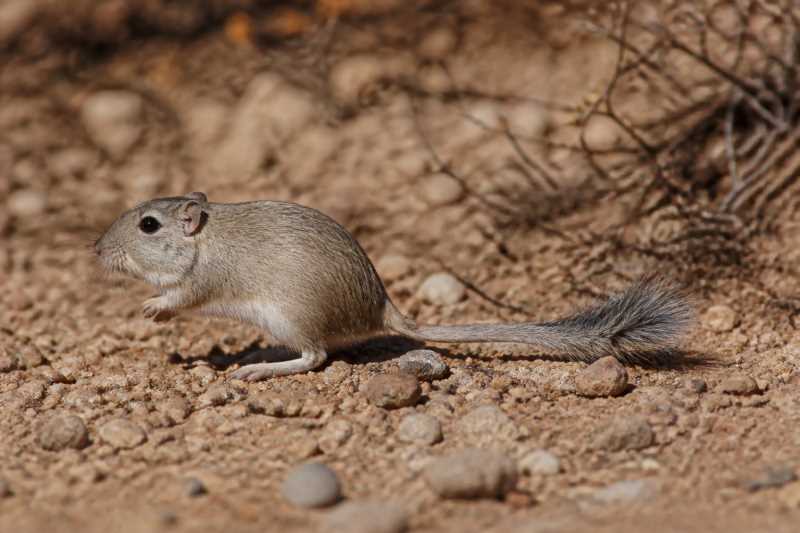
The Bushy-tailed Jird is a medium-sized rodent characterized by its distinctive tail, which is both bushy and longer than its body, a trait that serves multiple purposes including balance and communication. Typically, an adult Bushy-tailed Jird measures around 18 to 24 centimeters in total length, with the tail accounting for approximately 10 to 15 centimeters.
The fur of the Bushy-tailed Jird is soft and dense, featuring a sandy-brown coloration on the dorsal side, which seamlessly blends into the desert environments it inhabits. The ventral side is usually lighter, often appearing white or cream. This coloration provides effective camouflage against predators. Notably, the ears are relatively large, aiding in effective heat dissipation and enhanced auditory capabilities.
Range and Habitat
The Bushy-tailed Jird is predominantly found in arid and semi-arid regions across North Africa and the Middle East. Its range extends from Egypt and Sudan in the west to the Arabian Peninsula in the east. These rodents are highly adaptable and can thrive in various habitats, including sandy deserts, rocky terrains, and scrublands.
Their burrowing lifestyle allows them to escape the extreme temperatures of their environment. They construct complex burrow systems that offer protection from predators and harsh weather. These burrows are often situated in areas with sparse vegetation, which provides both food resources and cover.
Behavior and Diet
Bushy-tailed Jirds are primarily nocturnal creatures, exhibiting most of their activities during the cooler hours of the night. This behavior minimizes their exposure to the heat of the day and reduces the risk of predation. They are social animals, often living in small colonies that communicate through vocalizations and tail movements.
The diet of the Bushy-tailed Jird is omnivorous, comprising seeds, grains, and vegetation, supplemented by insects and small invertebrates. Their foraging activities play a crucial role in seed dispersal, contributing to the ecological balance of their habitats.
Identification Tips (Field Recognition Cues)
Identifying the Bushy-tailed Jird in the wild requires careful observation of several key characteristics:
- Tail: The most distinguishing feature is the bushy tail, which is longer than the body and often held upright or straight out.
- Coloration: Look for the sandy-brown dorsal fur with a lighter ventral side.
- Size: Note the medium size, with a total length ranging from 18 to 24 centimeters.
- Behavior: Observe nocturnal activity patterns and social interactions, particularly the use of vocalizations.
Conservation Status (With Threats and Protections)
The conservation status of the Bushy-tailed Jird is currently listed as Least Concern by the International Union for Conservation of Nature (IUCN). This classification indicates that, at present, there are no immediate threats to their population levels. However, like many species inhabiting arid regions, they face potential threats from habitat destruction, climate change, and human encroachment.
Efforts to protect their habitats are crucial, as degradation of the desert and scrubland environments can lead to population declines. Conservation measures include habitat preservation, legal protections against over-exploitation, and promoting awareness about the species’ ecological importance.
Frequently Asked Questions
Why is this species unique?
The Bushy-tailed Jird is unique due to its distinctive bushy tail, which is not common among other rodents in its range. Additionally, its adaptability to desert environments and nocturnal lifestyle make it particularly fascinating to researchers and wildlife enthusiasts.
What is the primary diet of the Bushy-tailed Jird?
The Bushy-tailed Jird is an omnivore, feeding on a variety of seeds, grains, vegetation, and occasionally insects. This diverse diet allows it to adapt to the fluctuating availability of food resources in its arid habitat.
How does the Bushy-tailed Jird contribute to its ecosystem?
The Bushy-tailed Jird plays a vital role in its ecosystem by aiding seed dispersal and serving as prey for larger predators. Its burrowing activities also help aerate the soil, promoting plant growth and maintaining ecological balance.
Related posts