Introduction
Rhoads’s Gerbil, scientifically known as Gerbillus pulvinatus, is a small mammalian species belonging to the family Muridae. These fascinating creatures are part of the diverse rodent order and are native to particular arid regions. Little known outside of specialized research circles, Rhoads’s Gerbil plays a crucial role in its ecosystem, contributing to soil aeration and serving as prey for various predators. This article delves into the physical characteristics, habitat, behavior, and conservation status of Rhoads’s Gerbil, providing a comprehensive overview for enthusiasts, researchers, and conservationists.
Physical Description
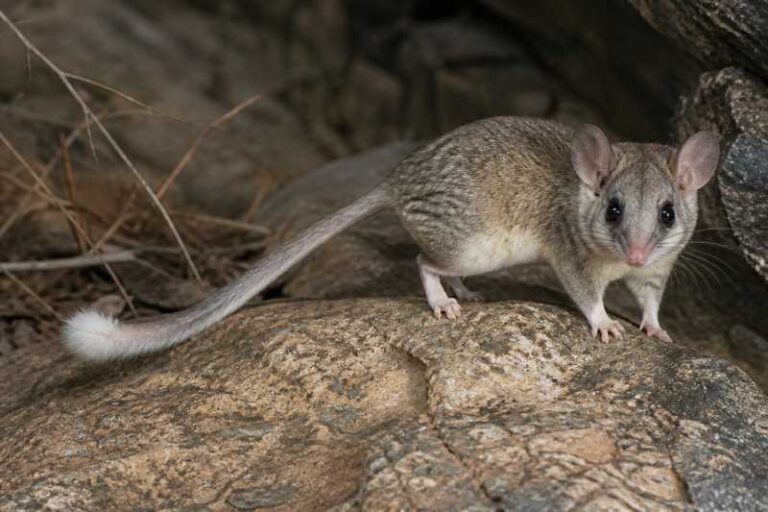
Rhoads’s Gerbil is characterized by its compact size and distinctive features. Adult individuals typically measure between 15 to 20 centimeters in length, including the tail, which accounts for half of its body size. They possess a soft, sandy-colored coat that offers excellent camouflage against desert landscapes. The fur on their underbelly is usually lighter, providing a stark contrast to the rest of their body.
Their large, dark eyes are adapted for nocturnal activity, allowing for excellent low-light vision. Additionally, Rhoads’s Gerbil has elongated hind legs, which facilitate their impressive leaping ability—a crucial adaptation for escaping predators in their open habitat. Their ears are relatively large, aiding in acute hearing and temperature regulation.
Range and Habitat
Rhoads’s Gerbil is predominantly found in the arid desert regions of North Africa and the Middle East. Their range includes parts of Algeria, Libya, and Egypt, extending into some areas of Saudi Arabia. These gerbils have adapted to survive in harsh environments characterized by extreme temperatures and scarce water resources.
Their preferred habitat consists of sandy dunes and rocky outcrops, where they can burrow and create extensive tunnel systems. These burrows not only provide shelter from the scorching sun and potential predators but also serve as storage for food reserves. The gerbils’ ability to thrive in such inhospitable conditions is a testament to their remarkable adaptability.
Behavior and Diet
Rhoads’s Gerbil is primarily nocturnal, venturing out of their burrows during the cooler night hours to forage. Their diet mainly consists of seeds, grains, and plant material, although they are known to consume insects occasionally. This omnivorous diet allows them to maximize available resources in their sparse desert environment.
In terms of social structure, Rhoads’s Gerbils are generally solitary creatures, although they may share burrow systems with other gerbils. Their communication involves a series of vocalizations and foot drumming, which serves as a warning system against predators.
Identification Tips
Identifying Rhoads’s Gerbil in the field involves recognizing a combination of physical and behavioral traits. Look for small rodents with sandy-colored fur and large, expressive eyes. Their long tails and hind legs are distinctive, offering clues to their identity. Observing their movement is also helpful; Rhoads’s Gerbils are known for their agile leaping and quick, darting runs.
Conservation Status
Currently, Rhoads’s Gerbil is classified as a species of Least Concern on the IUCN Red List. However, they face several threats that could impact their population in the future. Habitat destruction due to expanding agricultural activities and urbanization poses a significant risk. Additionally, climate change and its effects on desert ecosystems could further threaten their habitat.
Conservation efforts for Rhoads’s Gerbil focus on habitat preservation and monitoring population trends. Protected areas and wildlife reserves within their range play a vital role in ensuring their continued survival.
Frequently Asked Questions
What do Rhoads’s Gerbils eat?
Rhoads’s Gerbils primarily consume seeds, grains, and plant material. They also eat insects occasionally, adapting their diet based on available resources.
Where are Rhoads’s Gerbils found?
These gerbils inhabit the arid desert regions of North Africa and the Middle East, including Algeria, Libya, Egypt, and parts of Saudi Arabia.
How do Rhoads’s Gerbils survive in the desert?
They have adapted to desert life through nocturnal behavior, burrowing, and an omnivorous diet that allows them to utilize scarce resources efficiently.
Are Rhoads’s Gerbils endangered?
Currently, Rhoads’s Gerbil is not endangered. It is listed as Least Concern on the IUCN Red List, though habitat destruction remains a potential threat.
How can you identify a Rhoads’s Gerbil?
Look for small rodents with sandy fur, large eyes, long tails, and elongated hind legs. Noting their rapid, leaping movements is also a helpful identification cue.
Related posts