Tarabul Gerbil: A Comprehensive Guide to Gerbillus tarabuli
Introduction
The Tarabul Gerbil (Gerbillus tarabuli) is a fascinating rodent species belonging to the family Muridae and the genus Gerbillus. Known for its adaptability to arid environments, the Tarabul Gerbil is a small mammal that thrives in the deserts and semi-desert regions of North Africa. Despite its unassuming appearance, this gerbil plays a crucial role in its ecosystem, contributing to seed dispersal and serving as prey for various predators. This article provides an in-depth look at the Tarabul Gerbil, covering its physical characteristics, habitat, behavior, and conservation status.
Physical Description
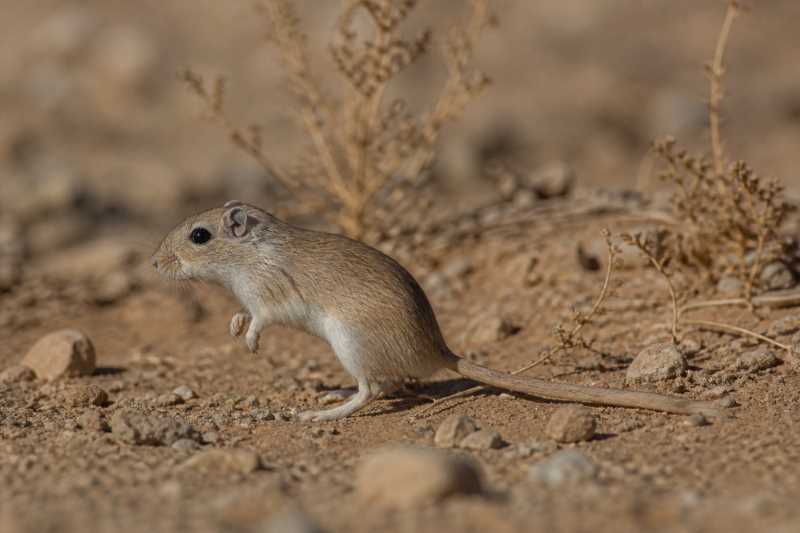
The Tarabul Gerbil is a small, nimble rodent, typically measuring between 10 to 12 centimeters in body length, excluding the tail, which adds another 12 to 15 centimeters. It weighs around 40 to 60 grams, making it lighter than many other rodent species. The gerbil’s fur is soft and dense, with a sandy or buff coloration that provides excellent camouflage against the desert landscape. Its underbelly is usually a lighter shade, almost white, providing a stark contrast that aids in thermoregulation.
One of the most distinctive features of the Tarabul Gerbil is its large, expressive eyes, adapted for nocturnal activities. These eyes provide enhanced night vision, allowing the gerbil to navigate and forage in low-light conditions. Its ears are relatively large and rounded, aiding in detecting predators. The gerbil’s hind legs are strong and elongated, enabling it to leap considerable distances – a crucial trait for evading threats and moving swiftly across its terrain.
Range and Habitat
The Tarabul Gerbil is primarily found in North Africa, with its range extending across Libya, Algeria, Tunisia, and Morocco. It inhabits arid and semi-arid environments, such as sandy deserts, rocky steppes, and scrublands. The species is particularly well-adapted to life in harsh desert climates, where daytime temperatures can soar, and water is scarce.
In these challenging environments, the Tarabul Gerbil constructs burrows to escape the extreme heat and as a refuge from predators. These burrows can be complex networks with multiple entrances, often dug into sandy or loose soil. The gerbil’s ability to inhabit such inhospitable regions speaks to its remarkable adaptability and resilience.
Behavior and Diet
The Tarabul Gerbil is primarily nocturnal, emerging from its burrows at dusk to forage for food. This nocturnal lifestyle helps minimize water loss and avoid the intense daytime heat. Its diet mainly consists of seeds, grains, and plant matter, which it skillfully gathers using its forepaws. The gerbil is also known to consume insects and other small invertebrates, particularly when plant resources are scarce.
Socially, the Tarabul Gerbil is relatively solitary, although it may share its burrow system with family members or form small colonies. Communication among these gerbils involves a series of vocalizations, foot drumming, and scent marking, which help establish territory and alert others to potential threats.
Identification Tips (Field Recognition Cues)
Identifying the Tarabul Gerbil in the field requires attention to several key features:
- Coloration: Look for the characteristic sandy or buff fur with a lighter underbelly.
- Size and Shape: Note its small size, elongated body, and long tail with a tuft at the end.
- Movement: Observe its distinctive hopping gait, which resembles that of a small kangaroo due to its strong hind legs.
- Facial Features: Pay attention to its large, dark eyes and rounded ears, both of which are adaptations for a nocturnal lifestyle.
- Burrow Entrances: Spotting burrow entrances with characteristic tracks leading to them can also indicate the presence of this gerbil species.
Conservation Status (with threats and protections)
The Tarabul Gerbil is currently classified as Least Concern by the International Union for Conservation of Nature (IUCN). This status indicates that the species is not presently facing a significant risk of extinction. However, it is essential to remain vigilant about potential threats, including habitat destruction due to agricultural expansion, climate change, and human encroachment.
Efforts to protect the Tarabul Gerbil involve preserving its natural habitat and maintaining ecological balance in the regions it inhabits. Conservationists emphasize the importance of sustainable land-use practices and the implementation of protected areas to safeguard the gerbil’s environment.
Frequently Asked Questions
1. What is the lifespan of a Tarabul Gerbil?
The Tarabul Gerbil typically lives for about 2 to 3 years in the wild. In captivity, with proper care, they can live slightly longer, up to 4 or 5 years. Factors such as predation, food availability, and environmental conditions influence their lifespan in natural settings.
2. How does the Tarabul Gerbil conserve water in its arid habitat?
The Tarabul Gerbil has adapted to its desert environment by being highly efficient at conserving water. It derives moisture from the food it consumes and has highly concentrated urine to minimize water loss. Additionally, its nocturnal lifestyle reduces exposure to the harsh daytime heat, further conserving water.
3. Are Tarabul Gerbils social animals?
Tarabul Gerbils are relatively solitary compared to other gerbil species. However, they may share burrows with family members or form small colonies. Social interactions include vocalizations, scent marking, and foot drumming to communicate and establish territory.
4. What predators do Tarabul Gerbils face?
The primary predators of the Tarabul Gerbil include birds of prey, such as owls and hawks, as well as snakes and small carnivores like foxes and wildcats. The gerbil’s agility, nocturnal habits, and burrowing behavior help it evade these threats.
5. Can Tarabul Gerbils be kept as pets?
While some gerbil species are popular in the pet trade, the Tarabul Gerbil is not commonly kept as a pet due to its specialized habitat requirements and conservation status. It’s essential to ensure that any gerbil kept as a pet is sourced responsibly and legally.
Related posts