Introduction
The Lesser Papuan Pipistrelle, scientifically known as Alionoctula papuana, is a captivating bat species native to the rich biodiversity of Papua New Guinea. Despite its intriguing presence, this species remains largely enigmatic to the scientific community. This article delves into the various aspects of the Lesser Papuan Pipistrelle, from its physical characteristics to its behaviors, diet, and conservation status.
Physical Description
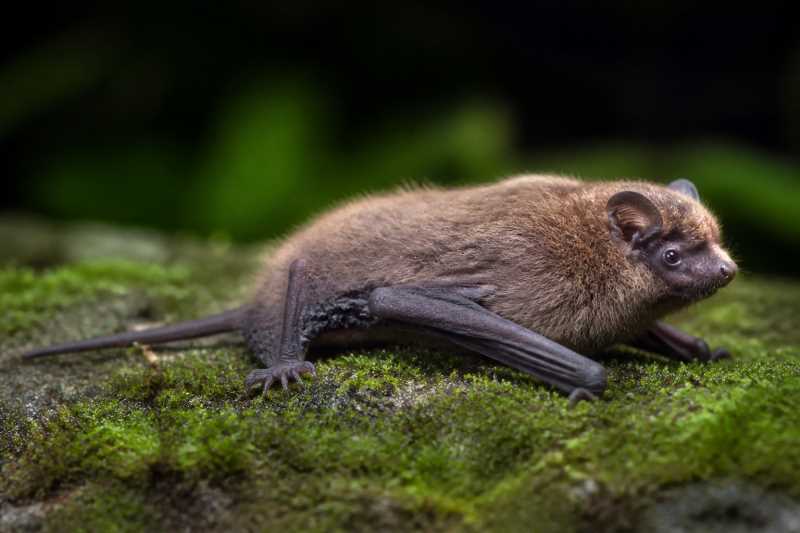
The Lesser Papuan Pipistrelle is a small bat, with a body length ranging between 40 to 50 millimeters and a wingspan extending to approximately 200 millimeters. Its fur is typically a dark brown, offering excellent camouflage in its natural habitat. The bat’s ears are relatively short, which aids in its echolocation capabilities, crucial for navigation and hunting in the dense forested areas it inhabits. The wing membranes are thin and slightly translucent, allowing for agile flight maneuvers.
Range and Habitat
This species is endemic to Papua New Guinea, primarily inhabiting the lowland rainforests and montane forests. Its range is somewhat limited to specific regions within the island, where dense forest canopy provides the ideal environment for roosting and foraging. The Lesser Papuan Pipistrelle typically selects roosting sites in tree hollows, caves, and occasionally in man-made structures, provided they offer adequate protection from predators.
Behavior and Diet
The Lesser Papuan Pipistrelle is predominantly nocturnal, like most bat species, emerging at dusk to forage for food. Its diet primarily consists of insects, which it captures mid-flight using its adept echolocation skills. The bat employs a fast, erratic flight pattern to catch prey, often consuming a substantial number of insects each night to meet its energy needs.
Social behavior in this species is not well-documented, but it is known to roost in small colonies. Communication within these groups is believed to occur via ultrasonic calls, which also play a role in navigation and prey detection.
Identification Tips (Field Recognition Cues)
Identifying the Lesser Papuan Pipistrelle in the field can be challenging due to its small size and nocturnal habits. However, there are specific cues that can aid in recognition:
- Size and Shape: Look for a small bat with a compact body and relatively short wings.
- Coloration: Observe the dark brown fur, which may appear blackish in low light.
- Flight Pattern: Note the erratic flight, which is characteristic of this species as it hunts insects.
- Echolocation: Listen for high-frequency ultrasonic calls, typically beyond the range of human hearing but detectable with bat detectors.
Conservation Status (With Threats and Protections)
The Lesser Papuan Pipistrelle is currently listed as Least Concern by the International Union for Conservation of Nature (IUCN). However, it faces potential threats from habitat destruction due to logging and agricultural expansion, which reduce the availability of suitable roosting and foraging sites.
Conservation efforts are primarily focused on habitat preservation, with some regions implementing protective measures to curb deforestation. Further research is necessary to fully understand the population dynamics and ecological needs of this species to ensure its continued survival.
Frequently Asked Questions
1. What is the diet of the Lesser Papuan Pipistrelle?
The Lesser Papuan Pipistrelle primarily feeds on insects, using its echolocation abilities to detect and capture prey during its nocturnal foraging.
2. Where can the Lesser Papuan Pipistrelle be found?
This species is endemic to Papua New Guinea, inhabiting lowland and montane forests where it roosts in tree hollows and caves.
3. How does the Lesser Papuan Pipistrelle navigate its environment?
The bat uses echolocation, emitting high-frequency calls that bounce off objects, allowing it to navigate and hunt in the dark.
4. Is the Lesser Papuan Pipistrelle endangered?
Currently, the Lesser Papuan Pipistrelle is not considered endangered, but habitat loss poses a future threat to its population.
5. How can you identify a Lesser Papuan Pipistrelle in the wild?
Identifying features include its small size, dark brown fur, erratic flight pattern, and high-frequency echolocation calls.
Related posts