Introduction
Watts’s Pipistrelle, scientifically known as Alionoctula wattsi, is a fascinating bat species that has captured the interest of mammalogists and wildlife enthusiasts alike. This elusive mammal, belonging to the Vespertilionidae family, is a nocturnal creature that plays a crucial role in its ecosystem by controlling insect populations. Despite its importance, Watts’s Pipistrelle remains one of the lesser-known bat species, and much of its biology and ecology are still shrouded in mystery. This article aims to shed light on the physical characteristics, habitat preferences, behavior, and conservation status of this intriguing species.
Physical Description
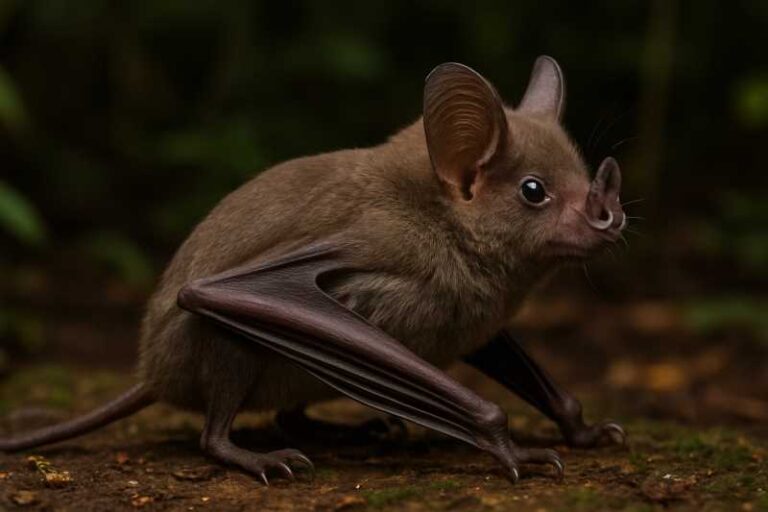
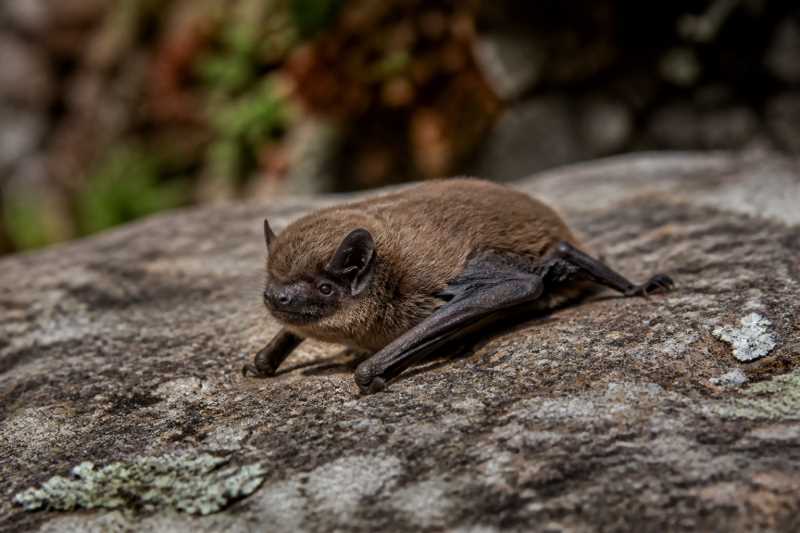
Watts’s Pipistrelle is a small bat, with a wingspan ranging from 20 to 25 centimeters and a body length of approximately 5 to 6 centimeters. This species is characterized by its distinct coloration, featuring a dark brown to black dorsal side and a lighter, often grayish, ventral side. The fur is dense and silky, providing excellent insulation during the cooler nights. The ears are relatively short and rounded, with a tragus that aids in echolocation. One of the distinguishing features of Watts’s Pipistrelle is its face, which has a slightly upturned nose, giving it a unique appearance compared to other pipistrelle species.
Range and Habitat
Watts’s Pipistrelle is predominantly found in the temperate and subtropical regions of Southeast Asia. Its range extends across countries such as Thailand, Myanmar, and parts of southern China. The species favors diverse habitats, including deciduous forests, mangroves, and sometimes even urban areas with abundant insect populations. These bats are known to roost in tree hollows, caves, and occasionally in abandoned buildings, demonstrating a flexible habitat preference that helps them adapt to various environmental conditions.
Behavior and Diet
As a nocturnal animal, Watts’s Pipistrelle is most active during the twilight hours. It exhibits crepuscular behavior, emerging at dusk to embark on foraging expeditions. This species is insectivorous, primarily preying on moths, beetles, and other small flying insects. Its sophisticated echolocation system enables it to navigate and hunt with precision in complete darkness. Watts’s Pipistrelle is known for its agile flight patterns, often performing acrobatic maneuvers to capture its prey mid-air. Socially, these bats are gregarious, typically forming small colonies that roost together during the day.
Identification Tips
Identifying Watts’s Pipistrelle in the field can be challenging due to its small size and nocturnal habits. However, certain cues can aid in recognition:
- Size and Shape: Look for a small bat with a compact body and relatively short, rounded ears.
- Coloration: Note the contrasting dark dorsal and lighter ventral fur, which is a key characteristic.
- Flight Pattern: Observe its flight, which is typically fast and erratic, with sudden twists and turns.
- Echolocation Calls: Use a bat detector to listen for its characteristic echolocation calls, which are usually at a frequency range unique to pipistrelles.
Conservation Status
Currently, Watts’s Pipistrelle is classified as a species of "Least Concern" by the International Union for Conservation of Nature (IUCN), but this does not mean it faces no threats. Habitat destruction due to deforestation and urban expansion poses significant risks to its natural roosting sites. Additionally, the use of pesticides reduces insect populations, indirectly impacting the bat’s food resources. Conservation efforts focus on habitat preservation and establishing protected areas. Public awareness campaigns are also crucial to mitigate human-wildlife conflicts and promote the importance of bats in ecosystems.
Frequently Asked Questions
What is the primary diet of Watts’s Pipistrelle?
Watts’s Pipistrelle primarily feeds on insects such as moths and beetles. Its diet is supported by an advanced echolocation system that helps it hunt efficiently in darkness.
Where can Watts’s Pipistrelle be found?
This species is found across Southeast Asia, including Thailand, Myanmar, and southern China. It inhabits forests, mangroves, and sometimes urban areas.
How does Watts’s Pipistrelle contribute to the ecosystem?
As an insectivorous bat, Watts’s Pipistrelle plays a vital role in controlling insect populations, thus maintaining ecological balance and reducing pest-related damage to crops.
What are the main threats to Watts’s Pipistrelle?
The main threats include habitat destruction due to deforestation, urbanization, and the use of pesticides which diminish its insect prey base.
How can I help in the conservation of Watts’s Pipistrelle?
Supporting conservation organizations, advocating for habitat protection, and reducing pesticide use can all contribute to the conservation of this species.
Related posts