Introduction
The Collared Sprite, scientifically known as Thainycteris aureocollaris, is a fascinating species of bat that has captured the attention of both scientists and wildlife enthusiasts. As a member of the Vespertilionidae family, this bat species is notable for its distinctive collar-like markings around its neck. Despite its relatively recent discovery, the Collared Sprite has become an important subject of study due to its unique characteristics and ecological significance. This article delves into the various aspects of the Collared Sprite, from its physical description and habitat to its behavior and conservation status.
Physical Description
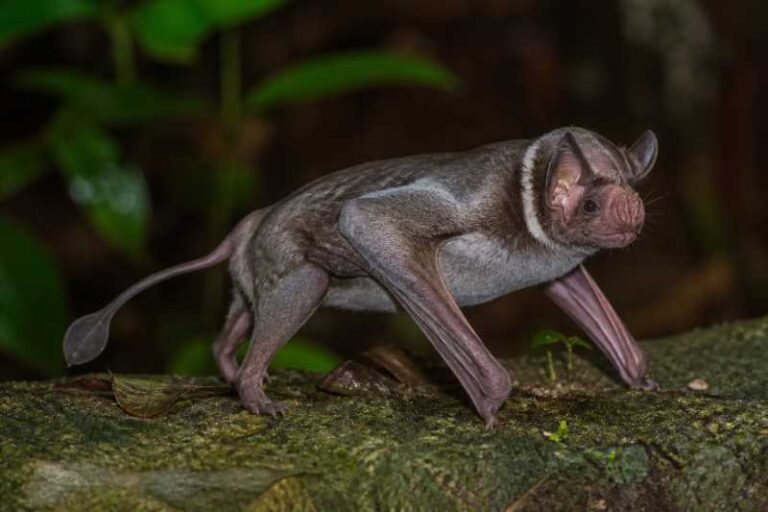
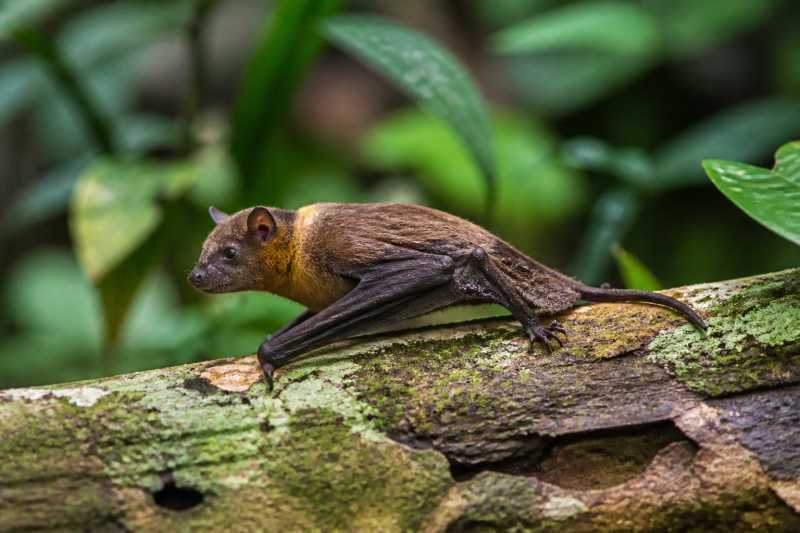
The Collared Sprite is a small to medium-sized bat, characterized by its striking appearance. One of its most distinguishing features is the vibrant golden or yellowish collar that encircles its neck, contrasting sharply against its otherwise drab brown or grayish fur. This collar is not just an aesthetic feature but is also thought to play a role in species identification and mate attraction.
The bat’s body measures approximately 4 to 5 centimeters in length, with a wingspan ranging from 20 to 25 centimeters. Its wings are elongated and narrow, adaptations that facilitate agile flight through dense forest canopies and open spaces alike. The Collared Sprite’s ears are moderately sized, and its face is adorned with a small, pointed muzzle, which aids in echolocation.
Range and Habitat
The Collared Sprite is primarily found in Southeast Asia, with its range extending across several countries, including Thailand, Laos, Vietnam, and parts of southern China. These bats are typically associated with tropical and subtropical forest ecosystems, where they roost in tree hollows, caves, and occasionally in man-made structures.
Their habitats are characterized by high humidity and dense vegetation, providing ample foraging opportunities and shelter. The Collared Sprite is known to prefer lowland forests, although it can occasionally be found in montane regions. The availability of suitable roosting sites and abundant insect prey are crucial for the survival of this species.
Behavior and Diet
The Collared Sprite is a nocturnal creature, emerging from its roosts at dusk to embark on nightly foraging expeditions. It exhibits a foraging behavior known as "hawking," where it catches insects mid-flight using its acute echolocation abilities. Its diet primarily consists of small flying insects, including moths, beetles, and mosquitoes, making it an important player in controlling insect populations.
Socially, the Collared Sprite is known to roost in small colonies, although solitary individuals are not uncommon. Communication among these bats is facilitated by a variety of vocalizations and echolocation calls, which are also used to navigate and locate prey in the darkness.
Identification Tips (Field Recognition Cues)
Identifying the Collared Sprite in the field can be a rewarding experience for wildlife enthusiasts. Key identification tips include:
- Distinctive Collar: Look for the characteristic golden collar around the neck, a unique feature that sets this species apart from other bats.
- Size and Wingspan: Note the bat’s small body size and relatively large wingspan, which are typical of the species.
- Flight Pattern: Observe the bat’s agile and erratic flight pattern, indicative of its insectivorous diet.
- Echolocation Calls: Listen for high-pitched echolocation calls during the evening hours, which can aid in locating these bats in their natural habitat.
Conservation Status (with Threats and Protections)
The conservation status of the Collared Sprite is currently classified as "Near Threatened" by the International Union for Conservation of Nature (IUCN). Several factors contribute to this designation, including habitat loss, deforestation, and human encroachment. As forests are cleared for agriculture and development, the suitable habitat for these bats diminishes, posing a significant threat to their survival.
Moreover, the use of pesticides and insecticides in agricultural practices reduces the availability of insect prey, further impacting the Collared Sprite’s food resources. Additionally, climate change poses an emerging threat, potentially altering the bat’s habitat and prey availability.
Efforts to protect the Collared Sprite include habitat conservation initiatives and the establishment of protected areas. Raising awareness about the ecological importance of bats and promoting sustainable land-use practices are also crucial steps in ensuring the long-term survival of this species.
Frequently Asked Questions
What do Collared Sprites eat?
Collared Sprites primarily feed on small flying insects, such as moths, beetles, and mosquitoes. Their diet is largely insectivorous, which helps control insect populations in their habitats.
Where can I find Collared Sprites?
Collared Sprites are found in Southeast Asia, particularly in countries like Thailand, Laos, Vietnam, and southern China. They inhabit tropical and subtropical forests, often roosting in tree hollows and caves.
How are Collared Sprites identified in the wild?
To identify Collared Sprites, look for the distinctive golden collar around their neck, their small body size, and their erratic flight pattern. Their high-pitched echolocation calls can also aid in detection.
Are Collared Sprites endangered?
Collared Sprites are classified as "Near Threatened" due to habitat loss, deforestation, and other human-induced threats. Conservation efforts focus on habitat protection and sustainable land-use practices.
Why are Collared Sprites important to the ecosystem?
Collared Sprites play a vital role in controlling insect populations, which helps maintain ecological balance. They also serve as pollinators and seed dispersers for certain plant species.
Related posts