Lesser Epauletted Fruit Bat: A Comprehensive Guide
Introduction
The Lesser Epauletted Fruit Bat, scientifically known as Epomophorus pusillus, is a small species of fruit bat belonging to the family Pteropodidae. This intriguing mammal is a member of the Megabats, or flying foxes, and is widely distributed across sub-Saharan Africa. Known for their vital ecological role in seed dispersal and pollination, these bats contribute significantly to the health and regeneration of tropical ecosystems. Understanding the biology, behavior, and conservation status of the Lesser Epauletted Fruit Bat is crucial for appreciating its ecological importance and ensuring its survival.
Physical Description
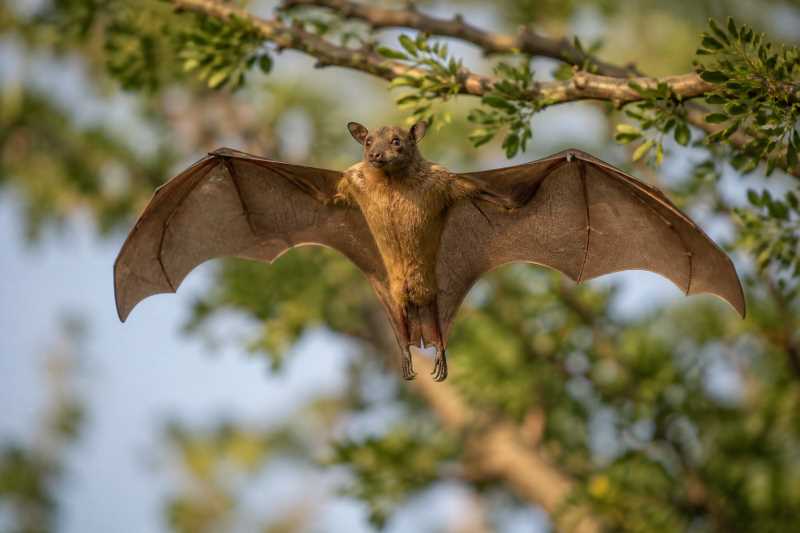
The Lesser Epauletted Fruit Bat is relatively small compared to other members of its family, with an average wingspan ranging from 40 to 50 cm (15.7 to 19.7 inches) and a weight of approximately 35 to 55 grams (1.2 to 1.9 ounces). Its body is covered in soft, brown to greyish-brown fur, which provides camouflage in its natural habitat. The name "epauletted" refers to the distinctive white patches of fur found on the shoulders of males, resembling epaulettes on a military uniform. These patches are more pronounced during the mating season, serving as a visual cue for attracting females.
The bat’s face is characterized by a dog-like appearance, with large, forward-facing eyes adapted for nocturnal vision. Its ears are large and rounded, aiding in echolocation and communication. The Lesser Epauletted Fruit Bat has a relatively short snout compared to other fruit bats, and its dental structure is adapted to a frugivorous diet, with strong teeth designed for crushing fruit.
Range and Habitat
The Lesser Epauletted Fruit Bat is predominantly found in sub-Saharan Africa, with its range extending from Senegal and Gambia in the west to Ethiopia and Tanzania in the east, and down to South Africa. This species thrives in a variety of habitats, including savannas, woodlands, wetlands, and even urban areas where fruit trees are abundant. While they are adaptable to different environments, they prefer regions with a reliable supply of fruiting trees, which provide both food and roosting sites.
Their roosting habits are quite flexible, as they can be found in trees, caves, and man-made structures. During the day, they typically roost in small groups, hanging upside down from tree branches or other surfaces. At night, they venture out in search of food, using their keen sense of smell and sight to locate ripe fruit.
Behavior and Diet
The Lesser Epauletted Fruit Bat is primarily nocturnal, with its activity centered around foraging at night. These bats are known for their frugivorous diet, which mainly consists of a variety of fruits such as figs, guava, mangoes, and bananas. They also consume nectar and flowers, which makes them important pollinators for many plant species.
Socially, the Lesser Epauletted Fruit Bat exhibits a complex structure, often forming small colonies that can range from a few individuals to several dozen. Males are known to be territorial, especially during the breeding season, when they use their epaulette-like shoulder patches and vocalizations to attract females and deter rivals. Communication among these bats includes a range of vocalizations, from high-pitched calls to more complex sounds used during mating displays.
Identification Tips
Identifying the Lesser Epauletted Fruit Bat in the field can be challenging due to its nocturnal nature and the presence of similar-looking species. However, there are several key features to look for:
- Size and Shape: Look for a small to medium-sized bat with a wingspan of 40 to 50 cm.
- Coloration: Notice the brown to greyish-brown fur, which provides good camouflage.
- Epaulettes: Males have distinctive white shoulder patches, especially visible during the breeding season.
- Facial Features: Observe the dog-like face with large eyes and rounded ears.
- Behavior: Look for bats foraging at night around fruiting trees or roosting in small groups during the day.
Conservation Status
The Lesser Epauletted Fruit Bat is currently classified as "Least Concern" by the International Union for Conservation of Nature (IUCN). Despite this relatively secure status, the species faces several threats that could impact its populations in the future. Habitat destruction due to agricultural expansion, logging, and urbanization poses a significant threat by reducing available roosting sites and food sources. Additionally, hunting for bushmeat and the use of pesticides in agriculture can adversely affect bat populations.
Conservation efforts for the Lesser Epauletted Fruit Bat include habitat preservation and community education to promote the ecological benefits of bats. Protected areas and wildlife reserves play a crucial role in safeguarding their habitats. Furthermore, research into their ecology and behavior continues to inform conservation strategies, ensuring that these bats remain a vital part of Africa’s biodiversity.
Frequently Asked Questions
1. What do Lesser Epauletted Fruit Bats eat?
Lesser Epauletted Fruit Bats primarily consume a diet of fruits, including figs, guavas, mangoes, and bananas. They also feed on nectar and flowers, making them important pollinators in their ecosystems.
2. Where can you find Lesser Epauletted Fruit Bats?
These bats are found across sub-Saharan Africa, from West Africa to East Africa and down to South Africa. They inhabit savannas, woodlands, wetlands, and urban areas with abundant fruit trees.
3. How can you identify a Lesser Epauletted Fruit Bat?
Key identification features include their small to medium size, brown to greyish-brown fur, distinctive white shoulder patches on males, dog-like face, and large eyes.
4. Are Lesser Epauletted Fruit Bats endangered?
Currently, the Lesser Epauletted Fruit Bat is listed as "Least Concern" by the IUCN. However, habitat destruction and hunting pose potential threats to their populations.
5. Why are Lesser Epauletted Fruit Bats important?
These bats play a crucial role in their ecosystems as seed dispersers and pollinators. Their feeding and foraging activities help maintain plant diversity and contribute to forest regeneration.
Related posts