Introduction
The Cuban Hutia, scientifically known as Geocapromys columbianus, is a captivating mammal native to the Caribbean island of Cuba. As a member of the Capromyidae family, this species is part of a group of rodents known colloquially as hutias. Historically significant and ecologically unique, the Cuban Hutia has long been a subject of interest among researchers and conservationists. This article delves into the various facets of this intriguing mammal, from its physical attributes to its conservation status.
Physical Description
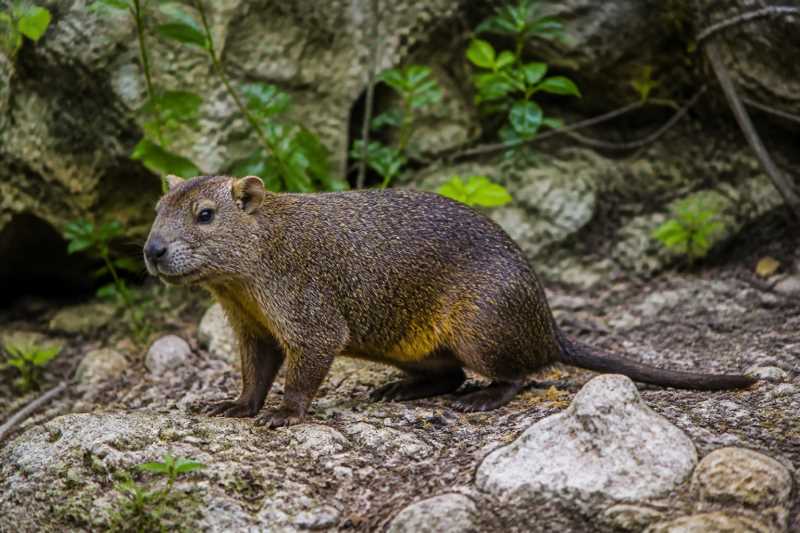
The Cuban Hutia is a medium-sized rodent characterized by a robust body and a short, bushy tail. Typically, adults weigh between 1.5 to 2.8 kilograms (3.3 to 6.2 pounds) and measure approximately 30 to 60 centimeters (12 to 24 inches) in length, excluding the tail. Their fur is dense and coarse, varying in color from a deep brown to a lighter grey, providing excellent camouflage within their natural habitat.
One of the most distinctive features of the Cuban Hutia is its strong, clawed feet, which are adept at climbing. This arboreal adaptation allows them to forage for food and escape predators efficiently. Their teeth are another notable trait, with large, ever-growing incisors that are crucial for gnawing on tough vegetation and bark.
Range and Habitat
The Cuban Hutia is endemic to Cuba, where it occupies a range of habitats across the island. These mammals are primarily found in forested areas, including mangroves, coastal forests, and montane regions. Their adaptability to different environments is one of their survival strengths.
Historically, their range was more extensive, but habitat destruction and human encroachment have led to a reduction in their distribution. Today, they are typically found in protected areas and regions that offer sufficient food resources and cover.
Behavior and Diet
Cuban Hutias are primarily nocturnal, though they can occasionally be active during the day. They are social animals, often found in small family groups. Communication among group members includes a series of vocalizations and scent markings.
Their diet is herbivorous, consisting mainly of leaves, fruits, bark, and occasionally small branches. This varied diet allows them to thrive in different environments, from lush forests to more arid regions where food sources might be scarce.
Identification Tips (Field Recognition Cues)
Identifying the Cuban Hutia in the wild requires keen observation of several key features:
- Size and Shape: Look for a medium-sized rodent with a stout body and a short tail.
- Fur Color: Note the dense, coarse fur that ranges from brown to grey, aiding in camouflage.
- Climbing Behavior: Observe their adept climbing abilities, often seen navigating trees and shrubs.
- Vocalizations: Listen for their unique calls, which can help differentiate them from other wildlife.
Conservation Status (with Threats and Protections)
The Cuban Hutia is currently listed as "Near Threatened" on the IUCN Red List. The primary threats to their survival include habitat destruction due to agricultural expansion and urban development. Additionally, hunting and predation by introduced species such as dogs and cats pose significant risks.
Conservation efforts are underway to protect this species. Several protected areas in Cuba provide safe havens for the Cuban Hutia, where human disturbance is minimized. Conservationists are also working on habitat restoration projects and public awareness campaigns to highlight the importance of preserving this unique mammal.
Frequently Asked Questions
1. What is the Cuban Hutia’s primary diet? The Cuban Hutia primarily subsists on leaves, fruits, and bark, with their diet varying based on available resources in their habitat.
2. Are Cuban Hutias endangered? While not currently classified as endangered, the Cuban Hutia is near threatened due to habitat loss and other anthropogenic pressures.
3. Where can Cuban Hutias be found? Cuban Hutias are endemic to Cuba, inhabiting forested and coastal areas across the island.
4. How do Cuban Hutias communicate? These mammals use a combination of vocalizations and scent markings to communicate within their social groups.
5. What conservation measures are in place for Cuban Hutias? Conservation measures include habitat protection, legal protections under Cuban law, and educational campaigns to raise awareness about their ecological importance.
Related posts