Northern Páramo Hocicudo (Oxymycterus paramensis): A Detailed Overview
Introduction
The Northern Páramo Hocicudo (Oxymycterus paramensis) is a fascinating mammal species endemic to the high-altitude regions of South America. Known for its distinctive features and behaviors, this rodent is a vital component of its ecosystem. Its presence in the páramo, a unique high-altitude biome, underscores its adaptability and ecological significance. This article delves into the various aspects of the Northern Páramo Hocicudo, including its physical characteristics, habitat, behavior, and conservation status.
Physical Description
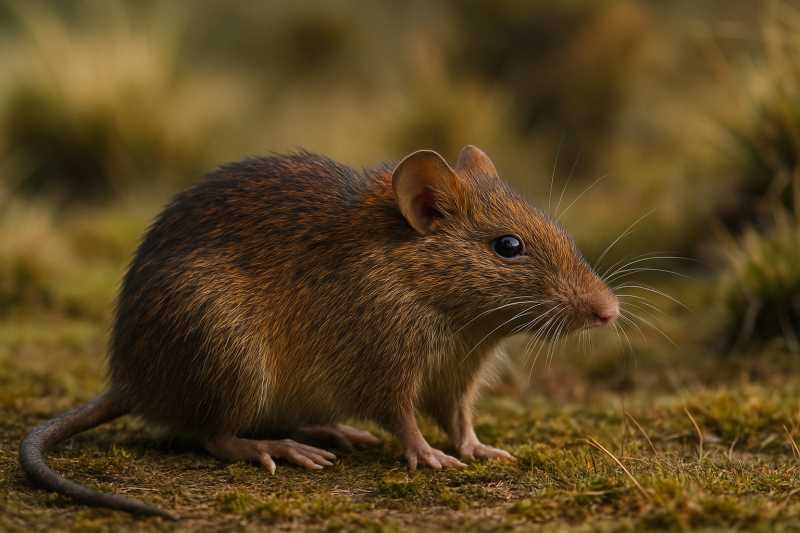
The Northern Páramo Hocicudo is a medium-sized rodent characterized by its elongated snout, which is a distinctive feature among the Oxymycterus genus. Typically, this species exhibits a robust body with a length ranging between 15 to 20 centimeters, not including the tail, which adds an additional 10 to 15 centimeters.
Its fur is dense and soft, providing insulation against the cold temperatures of its high-altitude habitat. The dorsal side is typically a mix of brown and grey, allowing it to blend seamlessly into the páramo environment, while the ventral side is lighter, often a pale grey or white.
The Northern Páramo Hocicudo’s eyes are small and adapted for its nocturnal lifestyle. Its limbs are short yet powerful, equipped with claws that facilitate digging and foraging in the dense ground cover of its habitat.
Range and Habitat
The Northern Páramo Hocicudo is primarily found in the Andean regions of Colombia, Ecuador, and northern Peru. Its preferred habitat is the páramo, a neotropical alpine tundra ecosystem found at elevations ranging from 3,000 to 4,500 meters above sea level.
This biome is characterized by its harsh climate, with low temperatures, high humidity, and substantial precipitation, often in the form of mist or fog. The páramo is dominated by tussock grasses, shrubs, and unique plant species adapted to these conditions.
The hocicudo thrives in this environment, utilizing the dense vegetation for cover and relying on the rich organic soil for sustenance. Its distribution is closely tied to the availability of this particular habitat, which is limited to specific high-altitude regions in the Andes.
Behavior and Diet
The Northern Páramo Hocicudo is primarily nocturnal, with activity peaks occurring during the night when it forages for food. This rodent is solitary by nature, with individuals maintaining discrete territories that they vigorously defend from intruders.
Its diet is omnivorous, consisting mainly of seeds, roots, and small invertebrates. The hocicudo’s elongated snout is particularly adapted for digging and searching through the soil and undergrowth for food. It plays a crucial role in the ecosystem by aiding in seed dispersal and soil aeration through its foraging activities.
During the day, the hocicudo seeks refuge in burrows or dense vegetation, minimizing exposure to predators and harsh weather conditions. These burrows not only provide shelter but also serve as storage for food reserves, especially crucial during periods of scarcity.
Identification Tips (Field Recognition Cues)
Identifying the Northern Páramo Hocicudo in the wild requires careful observation and attention to detail:
- Snout: Look for the distinctive long snout, which is a key feature of this species.
- Size and Proportions: Note the medium body size with relatively short limbs and a proportionally long tail.
- Fur Coloration: Observe the brown and grey dorsal fur with a lighter underside, aiding in camouflage.
- Habitat: Presence in páramo regions is a strong indicator of this species.
- Behavior: Nocturnal activity patterns and solitary nature can help distinguish it from other rodents.
Conservation Status (with Threats and Protections)
The conservation status of the Northern Páramo Hocicudo is currently assessed as "Least Concern" by the International Union for Conservation of Nature (IUCN). However, this does not mean the species is free from threats.
Threats
- Habitat Loss: The primary threat to the Northern Páramo Hocicudo is habitat loss due to agricultural expansion, mining, and infrastructure development in the Andes.
- Climate Change: Alterations in climate patterns threaten the delicate balance of the páramo ecosystem, potentially affecting the hocicudo’s habitat.
- Pollution: Pesticides and other pollutants from agricultural activities can impact the health of the hocicudo population.
Protections
Efforts to conserve the Northern Páramo Hocicudo include:
- Protected Areas: Establishment of national parks and reserves that encompass significant portions of páramo habitat.
- Research and Monitoring: Continued scientific studies to monitor population trends and ecological requirements.
- Community Engagement: Involving local communities in conservation efforts to promote sustainable land use practices.
Frequently Asked Questions
What does the Northern Páramo Hocicudo eat?
The Northern Páramo Hocicudo is an omnivore that primarily consumes seeds, roots, and small invertebrates. Its diet is well-suited to the resources available in the páramo biome, and its foraging behavior also contributes to seed dispersal and soil health.
How does climate change affect the Northern Páramo Hocicudo?
Climate change poses a significant threat to the Northern Páramo Hocicudo by altering the páramo ecosystem. Changes in temperature and precipitation patterns can impact plant species composition, water availability, and the overall habitat quality, thereby affecting the hocicudo’s survival.
Are Northern Páramo Hocicudos endangered?
As of the latest assessments, the Northern Páramo Hocicudo is classified as "Least Concern" by the IUCN. While not currently endangered, ongoing threats such as habitat loss and climate change necessitate continued conservation efforts to ensure its long-term survival.
Where can I observe the Northern Páramo Hocicudo in the wild?
The best places to observe the Northern Páramo Hocicudo are the high-altitude páramo regions of the Andes in Colombia, Ecuador, and northern Peru. National parks and reserves in these areas offer opportunities to see this species in its natural habitat.
What are the distinguishing features of the Northern Páramo Hocicudo?
Key distinguishing features of the Northern Páramo Hocicudo include its long snout, medium body size, distinct brown and grey fur coloration, and its presence in páramo habitats. Its nocturnal and solitary behavior also aid in identification.
Related posts