Introduction
The Lord Howe Long-eared Bat, scientifically known as Nyctophilus howensis, is a captivating species that brings attention to the rich biodiversity of the South Pacific. Known for its elusive nature and distinct morphological features, this bat species is an essential component of Lord Howe Island’s ecosystem. Despite its significant ecological role, the Lord Howe Long-eared Bat remains shrouded in mystery to many, primarily due to its concealed lifestyle and limited range. This article delves into the fascinating world of Nyctophilus howensis, exploring its physical characteristics, habitat preferences, behavior, diet, and conservation needs.
Physical Description
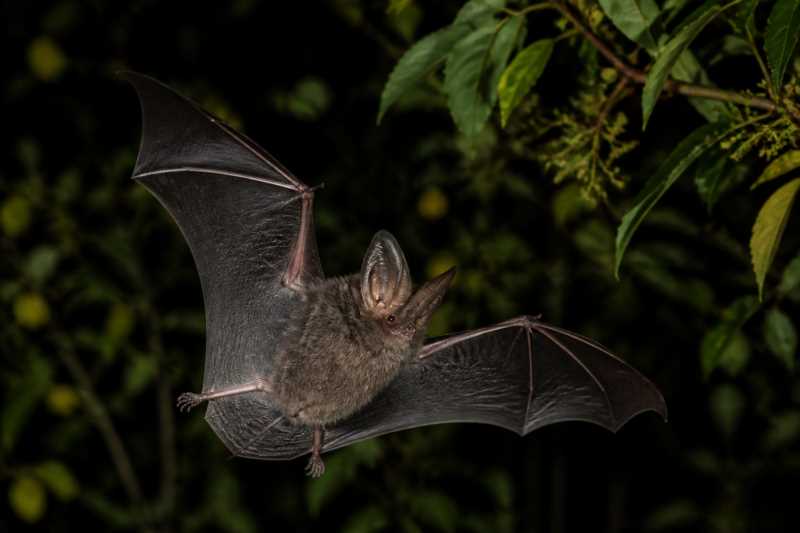
The Lord Howe Long-eared Bat is distinguished by its remarkable auditory appendages, which are notably large relative to its body size. This adaptation is crucial for echolocation, allowing the bat to detect insects and navigate through dense foliage even in complete darkness. The fur of Nyctophilus howensis is typically a muted brown, providing camouflage against the bark and leaves in its environment. With a wingspan reaching up to 28 centimeters, this bat is small yet agile, optimized for maneuvering through the island’s forests.
The face of the Lord Howe Long-eared Bat is characterized by a broad snout and a pair of expressive eyes, which, although not as critical for navigation as its ears, contribute to its keen nocturnal vision. The limbs are slender, with elongated fingers supporting the membranous wings, allowing for silent flight. Sexual dimorphism is minimal in this species, making it challenging to distinguish between males and females without close examination.
Range and Habitat
Endemic to Lord Howe Island, Nyctophilus howensis occupies a relatively confined geographic range. The island’s unique ecosystem, with its blend of subtropical and temperate climates, provides an ideal habitat for this species. The bats predominantly inhabit forested areas, including both lowland rainforests and montane regions, where they roost in tree hollows and beneath loose bark.
The island’s isolation has resulted in a distinct ecological niche for the Lord Howe Long-eared Bat, which faces little competition from other bat species. However, this isolation also makes the species particularly vulnerable to environmental changes and human activities. The preservation of its natural habitat is critical for the sustainability of its population.
Behavior and Diet
Nyctophilus howensis is primarily nocturnal, emerging at dusk to embark on foraging expeditions. The diet of the Lord Howe Long-eared Bat consists mainly of insects, including moths, beetles, and other small arthropods. The bats employ sophisticated echolocation techniques to locate prey, using their large ears to detect the faintest of sounds produced by potential food sources.
Social behavior in this species is not extensively documented, but like many bats, it is likely to exhibit some level of social interaction within roosting sites. The bats are known to communicate using a series of ultrasonic calls, which serve both navigational and social purposes.
Identification Tips (Field Recognition Cues)
Identifying the Lord Howe Long-eared Bat in the field requires careful observation of several key characteristics:
- Ear Size: The most distinctive feature is the large, elongated ears, which are a prominent trait for echolocation.
- Fur Color: Look for the muted brown fur, which helps the bat blend with its surroundings.
- Flight Pattern: Observe the bat’s flight; it is typically slow and maneuverable, adapted for navigating through dense vegetation.
- Roosting Behavior: During the day, these bats can be found in secluded roosts in tree hollows or under loose bark.
- Echolocation Calls: While challenging to detect without specialized equipment, the echolocation calls are a crucial identification tool for researchers.
Conservation Status (with Threats and Protections)
The conservation status of the Lord Howe Long-eared Bat is currently a subject of concern. The species is classified as critically endangered, primarily due to its limited range and habitat degradation. Key threats include habitat destruction from human development and the introduction of invasive species that compete for resources or prey on bats.
Conservation efforts are underway to protect this unique species. These include habitat restoration projects, the control of invasive species, and the establishment of protected areas on Lord Howe Island. Public education and awareness campaigns are also crucial to ensure long-term conservation success.
Frequently Asked Questions
1. What makes the Lord Howe Long-eared Bat unique among other bat species?
The Lord Howe Long-eared Bat is unique due to its large ears, which enhance its echolocation capabilities, and its restricted range, being endemic to the isolated Lord Howe Island.
2. How does the Lord Howe Long-eared Bat contribute to its ecosystem?
As an insectivore, this bat plays a vital role in controlling insect populations, thereby maintaining ecological balance and supporting agricultural health on the island.
3. What are the primary threats to the Lord Howe Long-eared Bat?
The primary threats include habitat destruction, invasive species, and environmental changes that disrupt its limited habitat on Lord Howe Island.
4. How can people help in the conservation of the Lord Howe Long-eared Bat?
Supporting conservation initiatives, raising awareness about the species, and advocating for habitat protection are key ways to contribute to its conservation.
5. Are there any specific regulations protecting the Lord Howe Long-eared Bat?
Yes, there are legal protections in place, including the designation of protected areas and regulations aimed at controlling invasive species on Lord Howe Island.
Related posts