Large White-toothed Shrew (Crocidura dracula): A Comprehensive Guide
Introduction
The Large White-toothed Shrew, scientifically known as Crocidura dracula, is a fascinating small mammal that inhabits various regions in Southeast Asia. Despite its modest size, this shrew plays a significant role in the ecosystem as both predator and prey. In this article, we will delve into the various aspects of this species, including its physical characteristics, habitat preferences, behavior, and conservation status.
Physical Description
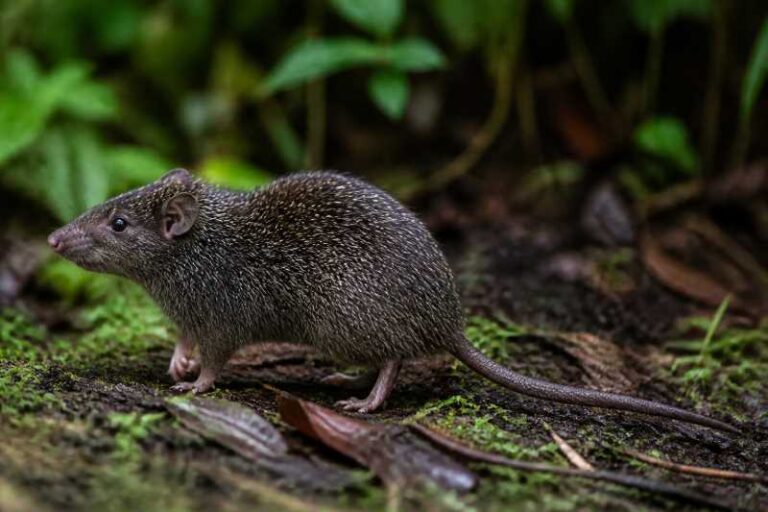
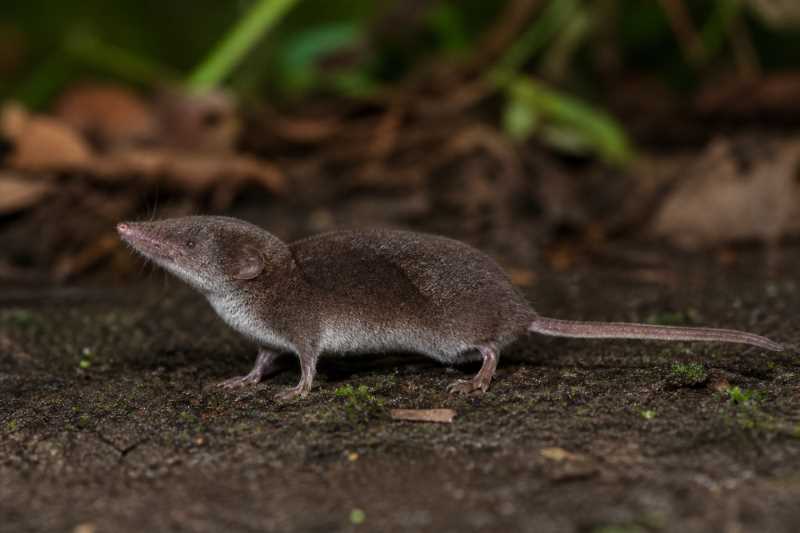
The Large White-toothed Shrew is a member of the Soricidae family, renowned for its distinctive dental structure. As the name suggests, this species is characterized by its prominent white teeth, which are well-suited for its insectivorous diet. Typically measuring between 10 to 12 centimeters in length, including the tail, this shrew’s body is covered with dense, short fur that varies from dark gray to brown. Its pointed snout and small, beady eyes are adaptations for its nocturnal lifestyle. Furthermore, the shrew’s limbs are relatively short, with sharp claws that aid in digging and foraging.
Range and Habitat
Crocidura dracula is predominantly found in the humid, tropical forests of Southeast Asia, including parts of Thailand, Vietnam, and Malaysia. These shrews thrive in dense undergrowth and are often found in moist, shaded environments where leaf litter and fallen logs provide ample cover and abundant food sources. The species is known to adapt to varying altitudes, from lowland forests to mountainous regions, showcasing its remarkable environmental adaptability.
Behavior and Diet
The Large White-toothed Shrew is primarily nocturnal, spending most of its active hours hunting for food during the night. Its diet mainly consists of insects, spiders, and small invertebrates, which it detects using its acute sense of smell and hearing. This species employs a fast metabolism, necessitating frequent feeding intervals to sustain its energy levels. In terms of behavior, these shrews are solitary creatures, with interactions primarily occurring during the breeding season. They communicate through high-pitched squeaks and are known for being highly territorial, often defending their home ranges aggressively against intruders.
Identification Tips (Field Recognition Cues)
Recognizing the Large White-toothed Shrew in the field can be challenging due to its small size and elusive nature. However, there are several cues that can aid in identification:
- Fur Color: Look for the dense, dark gray to brown fur that blends with the forest floor.
- Teeth: The distinctive white teeth are a key characteristic, although they might require close observation.
- Size and Shape: Note the shrew’s small size, typically 10-12 cm including the tail, and its elongated snout.
- Behavior: Spotting one might involve listening for their high-pitched calls or noticing movement in leaf litter during night excursions.
Conservation Status (With Threats and Protections)
The conservation status of Crocidura dracula is currently classified as "Least Concern" by the IUCN Red List. However, habitat destruction due to deforestation and agricultural expansion poses significant threats to their populations. Conservation efforts are essential to maintain the biodiversity of their habitats. Protected areas and national parks within their range offer some level of habitat preservation, but continuous monitoring and sustainable land-use practices are crucial for their long-term survival.
Frequently Asked Questions
What do Large White-toothed Shrews eat?
Large White-toothed Shrews primarily feed on insects, spiders, and other small invertebrates, using their sharp teeth to capture and consume prey.
How do Large White-toothed Shrews communicate?
These shrews use high-pitched squeaks to communicate, particularly during the breeding season or when defending their territory.
Where can Large White-toothed Shrews be found?
They are found in the tropical forests of Southeast Asia, including Thailand, Vietnam, and Malaysia, thriving in moist, shaded environments.
Are Large White-toothed Shrews endangered?
Currently, they are classified as "Least Concern" but face threats from habitat destruction due to deforestation and agricultural activities.
How can I identify a Large White-toothed Shrew?
Look for their dark gray to brown fur, small size, elongated snout, and distinctive white teeth, often active at night in forested areas.
Related posts