African Dusky White-toothed Shrew: A Comprehensive Guide
Introduction
The African Dusky White-toothed Shrew, scientifically known as Crocidura caliginea, is a lesser-known but fascinating member of the mammal kingdom. This diminutive creature belongs to the family Soricidae, which encompasses a diverse array of shrew species. Shrews are small, insectivorous mammals that are often mistaken for rodents but are distinct in their physiology and ecological roles. The African Dusky White-toothed Shrew, in particular, is a species that has intrigued biologists and ecologists due to its unique adaptations and relatively restricted geographic distribution.
Physical Description
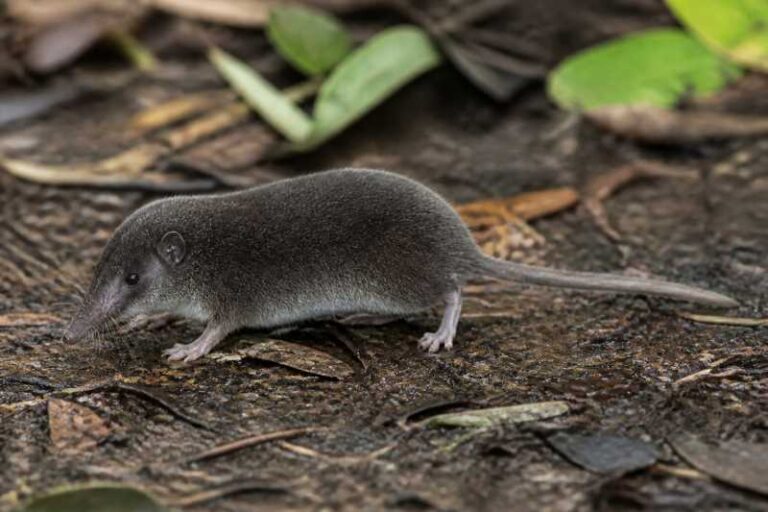
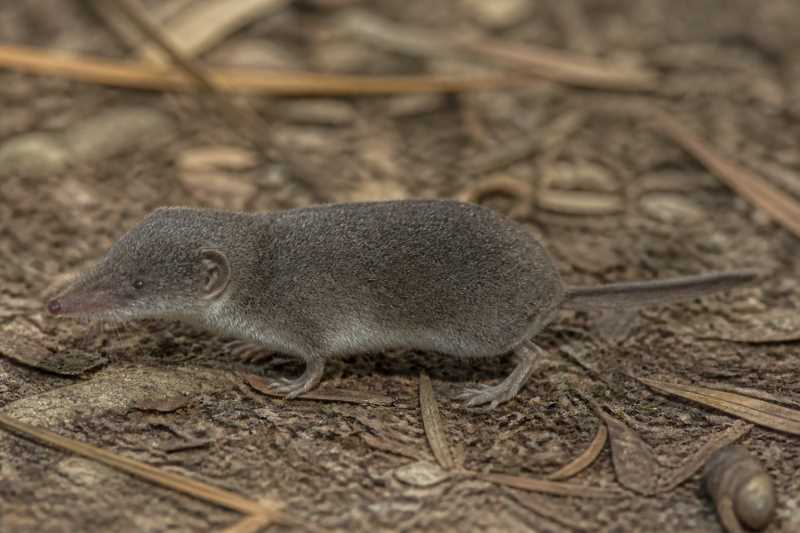
The African Dusky White-toothed Shrew is a small mammal with a body length ranging from 60 to 80 millimeters and a weight between 4 and 10 grams. Its fur is a dusky gray-brown color, providing excellent camouflage against the earthy tones of its natural habitat. One of the distinguishing features of this species is its dental structure; it possesses white teeth, which is an unusual characteristic for shrews that typically have pigmented teeth. This dental trait is a key factor in its classification within the white-toothed shrews.
The shrew’s body is elongated with a pointed snout, which is highly sensitive and aids in foraging for food. Its limbs are short, but the feet are adapted for digging and navigating through dense underbrush. The tail is relatively short, only about 40 to 50 millimeters long, and covered with fine hair.
Range and Habitat
The African Dusky White-toothed Shrew is primarily found in sub-Saharan Africa. Its range extends across several countries, including Nigeria, Cameroon, and the Democratic Republic of the Congo. This species prefers tropical and subtropical forest environments, often inhabiting areas with dense vegetation and ample ground cover.
These shrews thrive in moist environments where they can find abundant insect prey. They are typically found in lowland forests but can also inhabit montane regions, provided there is sufficient vegetation and soil moisture. The presence of leaf litter and fallen logs is crucial as they provide shelter and foraging grounds for the shrew.
Behavior and Diet
The African Dusky White-toothed Shrew is primarily nocturnal, spending much of the day hidden under leaf litter or burrowed into the soil. At night, it emerges to forage for food, relying on its acute sense of smell and touch to locate prey. This shrew is insectivorous, with a diet consisting mainly of insects, earthworms, and other small invertebrates.
Shrews have a high metabolic rate, which necessitates frequent feeding throughout the night. As a result, they are active hunters, constantly on the move in search of food. The African Dusky White-toothed Shrew is solitary by nature, with individuals maintaining territories that they defend from intruders, especially during the breeding season.
Identification Tips (Field Recognition Cues)
Identifying the African Dusky White-toothed Shrew in the field can be challenging due to its small size and elusive behavior. However, there are several key characteristics that can aid in its identification:
- Coloration: Look for the dusky gray-brown fur that blends well with the forest floor.
- Size and Shape: Note the small body size (60-80 mm) and the elongated, pointed snout.
- Teeth: If observed up close, the presence of white teeth can help distinguish this species from other shrews.
- Habitat: Focus on areas with dense vegetation and moist soil, as these provide the ideal conditions for the shrew.
- Activity Pattern: Observe during nighttime hours when the shrew is likely to be foraging.
Conservation Status (with Threats and Protections)
The African Dusky White-toothed Shrew is currently classified as "Least Concern" by the International Union for Conservation of Nature (IUCN). However, like many species, it faces threats that could impact its population in the future.
Threats
- Habitat Loss: Deforestation and land conversion for agriculture pose significant threats to the shrew’s habitat.
- Climate Change: Changes in temperature and precipitation patterns could alter the ecosystems that support these shrews.
- Pollution: The use of pesticides and other chemicals can reduce insect populations, affecting the shrew’s food sources.
Protections
Efforts to protect the African Dusky White-toothed Shrew focus on preserving its natural habitat. Conservation organizations are working to establish protected areas and promote sustainable land use practices in regions where this shrew is found. Educating local communities about the importance of biodiversity and ecosystem health is also crucial for the long-term conservation of this species.
Frequently Asked Questions
What does the African Dusky White-toothed Shrew eat?
The African Dusky White-toothed Shrew primarily feeds on insects, earthworms, and other small invertebrates. Its nocturnal foraging habits and high metabolism drive it to hunt actively throughout the night.
Where can the African Dusky White-toothed Shrew be found?
This shrew species is found in sub-Saharan Africa, particularly in countries like Nigeria, Cameroon, and the Democratic Republic of the Congo. It inhabits tropical and subtropical forests with dense vegetation.
How does the African Dusky White-toothed Shrew defend its territory?
The shrew is solitary and territorial, marking its territory with scent markings. It actively defends its area from intruders, especially during the breeding season, to secure resources and mating opportunities.
Related posts