Introduction
The Rio de Janeiro Arboreal Rat (Phaenomys ferrugineus) is a unique mammal species endemic to the Atlantic Forest of Brazil. This elusive species has captured the interest of scientists and nature enthusiasts alike due to its distinctive arboreal lifestyle and limited distribution. As a member of the Cricetidae family, this rat is an integral part of the diverse ecosystem within the lush rainforests of Rio de Janeiro. Understanding its behavior, habitat, and conservation status is crucial for safeguarding its future and the health of the ecosystem it inhabits.
Physical Description
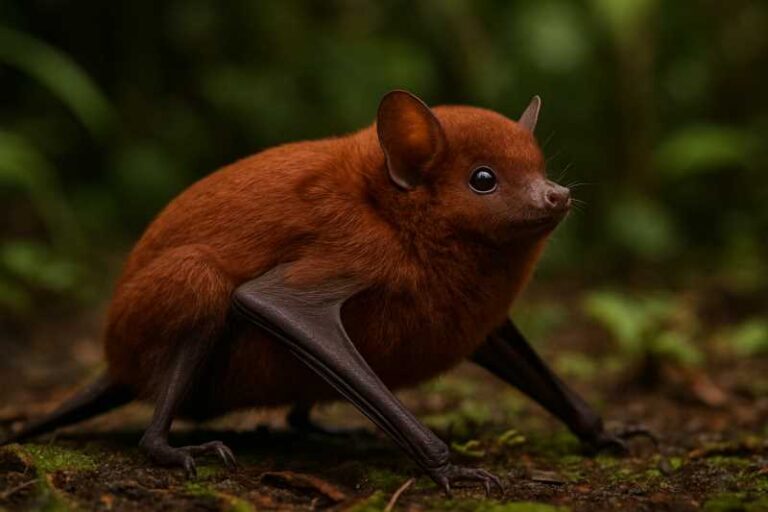
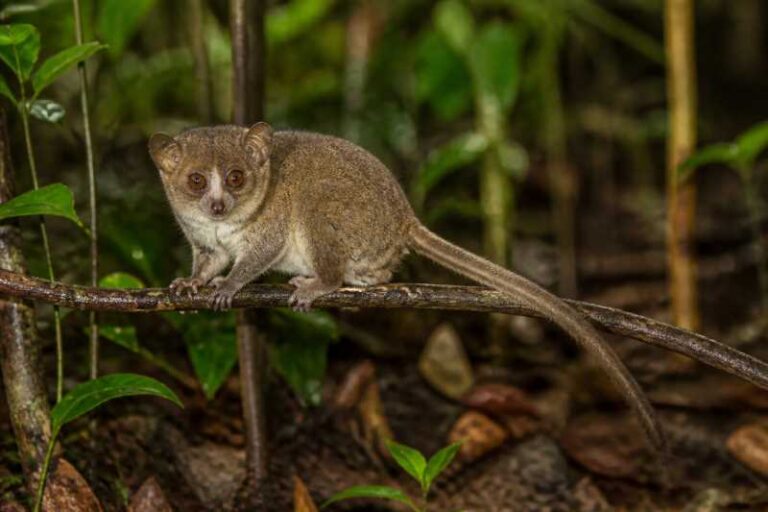
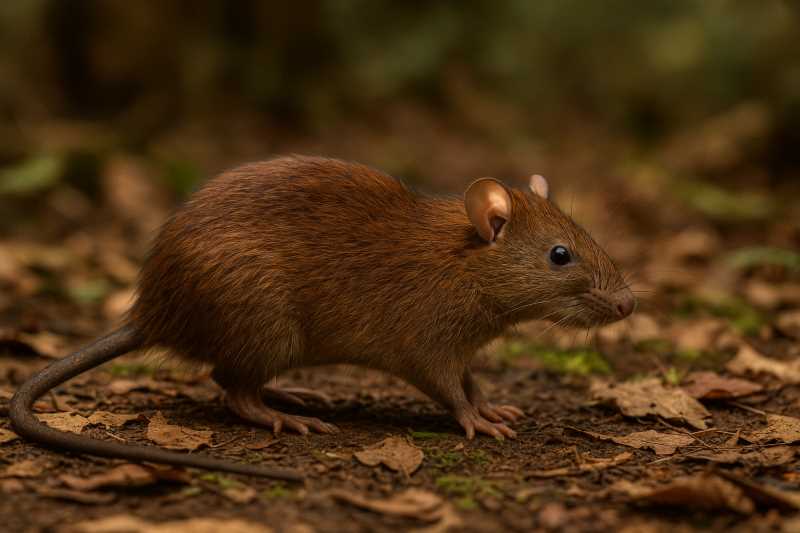
The Rio de Janeiro Arboreal Rat is characterized by its medium-sized, elongated body and striking reddish-brown fur, which provides excellent camouflage among the forest canopies. Adult rats typically measure between 25 to 30 centimeters in length, including their tail, which is nearly as long as their body and assists in balancing while navigating the treetops. Their fur is soft and dense, with a rusty hue that darkens along the back and fades to a lighter underside. Their large, rounded ears and prominent eyes are adapted for nocturnal activity, enhancing their ability to detect predators and forage in the dimly lit forest environment.
Range and Habitat
Phaenomys ferrugineus is native to the Atlantic Forest of southeastern Brazil, with its presence largely confined to the mountainous regions of Rio de Janeiro state. This area is renowned for its rich biodiversity and complex ecosystem, characterized by dense, humid forests with a high canopy and a variety of flora and fauna. The arboreal rat is particularly adapted to this environment, spending most of its life in the trees, where it finds food and shelter. The preservation of this habitat is crucial, as it provides the necessary resources and conditions for the species’ survival.
Behavior and Diet
The Rio de Janeiro Arboreal Rat exhibits nocturnal behavior, emerging from its daytime hiding spots to forage for food at night. Its diet primarily consists of fruits, seeds, and small invertebrates, reflecting its omnivorous nature. The rat plays a significant role in seed dispersal, contributing to the regeneration and maintenance of the forest ecosystem. Social behavior among these rats is not well-documented, but they are believed to lead solitary lives, coming together primarily for mating purposes.
Identification Tips
For field researchers and enthusiasts aiming to identify the Rio de Janeiro Arboreal Rat, several key characteristics can aid in recognition. The rat’s distinctive reddish-brown fur is a primary identifying feature, along with its elongated body and lengthy tail, which it uses adeptly for balance and maneuverability in the trees. Observers should also note the rat’s large, round ears and bright eyes, which are indicative of its nocturnal habits.
Conservation Status
The Rio de Janeiro Arboreal Rat is currently classified as "Data Deficient" by the International Union for Conservation of Nature (IUCN), reflecting the limited information available regarding its population size and trends. Habitat loss due to deforestation and urban expansion poses significant threats to its survival, as these activities reduce the availability of suitable living environments and resources. Conservation efforts aimed at protecting the remaining forest areas are crucial for the preservation of this species. Establishing protected areas and promoting sustainable land-use practices are essential strategies for mitigating these threats.
Frequently Asked Questions
What is the Rio de Janeiro Arboreal Rat’s natural habitat?
The Rio de Janeiro Arboreal Rat inhabits the Atlantic Forest of southeastern Brazil, primarily within the mountainous regions of Rio de Janeiro state. This dense, humid, and biodiverse rainforest provides the ideal environment for their arboreal lifestyle.
How does the Rio de Janeiro Arboreal Rat contribute to its ecosystem?
As an omnivore, the Rio de Janeiro Arboreal Rat plays a key role in seed dispersal, aiding in the regeneration and maintenance of the forest ecosystem. By consuming a variety of fruits and seeds, it contributes to the propagation of plant species within its habitat.
Are there any conservation efforts in place for the Rio de Janeiro Arboreal Rat?
Efforts to conserve the Rio de Janeiro Arboreal Rat focus on habitat preservation, including the establishment of protected areas and the promotion of sustainable land-use practices. Protecting the Atlantic Forest is essential for ensuring the survival of this species and maintaining biodiversity.
What are the main threats to the Rio de Janeiro Arboreal Rat?
The primary threats to the Rio de Janeiro Arboreal Rat include habitat loss due to deforestation and urban development. These activities reduce the availability of suitable habitats and resources, posing significant risks to their populations.
How can I identify a Rio de Janeiro Arboreal Rat in the field?
Look for a medium-sized rat with striking reddish-brown fur, a long tail, and large, rounded ears. These features, along with its arboreal habits and nocturnal activity, can help distinguish it from other rat species.
Related posts