Eastern Cordillera Small-eared Shrew (Cryptotis brachyonyx): A Comprehensive Guide
Introduction
The Eastern Cordillera Small-eared Shrew, scientifically known as Cryptotis brachyonyx, is a fascinating yet little-known mammal species native to the Andean highlands. Part of the Soricidae family, this small mammal plays an essential role in its ecosystem. Despite its small size and elusive nature, the Eastern Cordillera Small-eared Shrew contributes significantly to the biodiversity of its habitat. This article delves into the intricacies of this species, covering its physical characteristics, habitat, behavior, and conservation status.
Physical Description
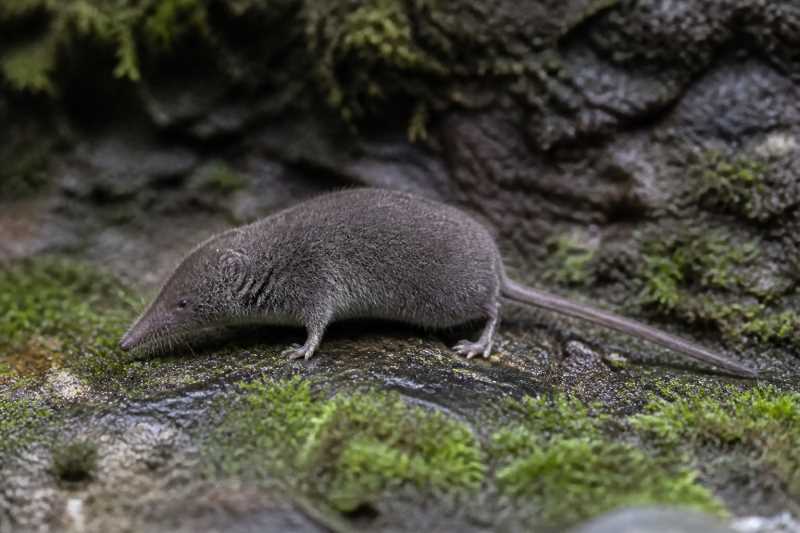
The Eastern Cordillera Small-eared Shrew is aptly named for its diminutive ears, which are often concealed by its dense fur. The shrew’s body length ranges from 5 to 7 centimeters, with a tail that is relatively short in comparison, measuring about 2 to 3 centimeters. This compact mammal typically weighs between 5 to 8 grams.
Its fur is a dark, slate gray, providing effective camouflage against the forest floor. The shrew’s small eyes are adapted to its low-light environment, and its keen sense of smell compensates for its limited vision. The snout is elongated, aiding in foraging and hunting for insects and other small invertebrates.
Range and Habitat
The Eastern Cordillera Small-eared Shrew is endemic to the Eastern Cordillera region of the Andes Mountains, primarily found in Colombia. Its elevation range spans from 2,000 to 3,500 meters above sea level, inhabiting cloud forests and high-altitude grasslands.
This habitat is characterized by its high humidity, dense vegetation, and frequent cloud cover, which provide both protection and ample food sources for the shrew. The forest floor, rich in leaf litter and organic matter, is an ideal hunting ground for this insectivore.
Behavior and Diet
The Eastern Cordillera Small-eared Shrew is primarily nocturnal, spending the majority of its active hours foraging for food after dusk. Its diet consists mainly of insects, spiders, and small invertebrates, which it captures using its acute sense of smell and rapid reflexes.
This shrew is solitary by nature, with individuals maintaining defined territories that they defend aggressively from intruders. Communication between shrews is limited, often involving high-pitched squeals and various scent markings.
Reproductive behaviors are still being studied, but it is believed that the breeding season aligns with periods of increased insect activity. Females typically give birth to litters of 2 to 4 young after a gestation period of about three weeks.
Identification Tips
Identifying the Eastern Cordillera Small-eared Shrew in the field requires attention to several key characteristics:
- Size and Build: Look for a small, robust body with a short tail and concealed ears.
- Coloration: Dark gray fur provides camouflage against forest floor debris.
- Activity Patterns: Primarily active at night, often heard rather than seen.
- Habitat: Found in high-altitude Andean forests and grasslands.
Field researchers often rely on trapping and tracking methods to study these elusive mammals due to their secretive nature.
Conservation Status
The conservation status of the Eastern Cordillera Small-eared Shrew is currently listed as Data Deficient by the International Union for Conservation of Nature (IUCN). This classification indicates that there is insufficient information available to make a precise assessment of its population status and trends.
Threats
The primary threats to this species include habitat destruction and fragmentation due to agricultural expansion, logging, and human settlement. Climate change also poses a significant risk, potentially altering the delicate balance of its high-altitude ecosystem.
Protections
Efforts to protect the Eastern Cordillera Small-eared Shrew are focused on habitat preservation and environmental conservation initiatives. Creating protected areas within its range and promoting sustainable land-use practices are crucial steps in safeguarding its future.
Frequently Asked Questions
What is the Eastern Cordillera Small-eared Shrew’s role in its ecosystem?
The shrew plays a critical role as both a predator and prey. By feeding on insects and other invertebrates, it helps control pest populations. Additionally, it serves as a food source for larger predators, contributing to the food web’s balance.
How can we help conserve the Eastern Cordillera Small-eared Shrew?
Conservation efforts can be supported by raising awareness about the species and its habitat, advocating for protected areas, and promoting sustainable agricultural and forestry practices in the region.
Why is the Eastern Cordillera Small-eared Shrew difficult to study?
Its elusive nature, nocturnal habits, and the challenging terrain of its habitat make field studies difficult. As a result, much of its behavior and ecology remains poorly understood.
How does climate change affect the Eastern Cordillera Small-eared Shrew?
Climate change can alter the shrew’s high-altitude habitat by affecting temperature and precipitation patterns, which in turn can impact the availability of food and suitable living conditions.
What adaptations help the Eastern Cordillera Small-eared Shrew survive in its environment?
The shrew’s dense fur, keen sense of smell, and nocturnal habits are key adaptations that allow it to thrive in the cool, humid conditions of the Andean cloud forests.
Related posts