Introduction
Hall’s Pocket Gopher, scientifically known as Geomys jugossicularis, is a fascinating and lesser-known member of the Geomyidae family. This small mammal is an integral component of its ecosystem, contributing to soil aeration and seed dispersal. Despite its importance, Hall’s Pocket Gopher often goes unnoticed due to its subterranean lifestyle. In this article, we will explore the various aspects of Hall’s Pocket Gopher, including its physical characteristics, habitat preferences, behaviors, and conservation status.
Physical Description
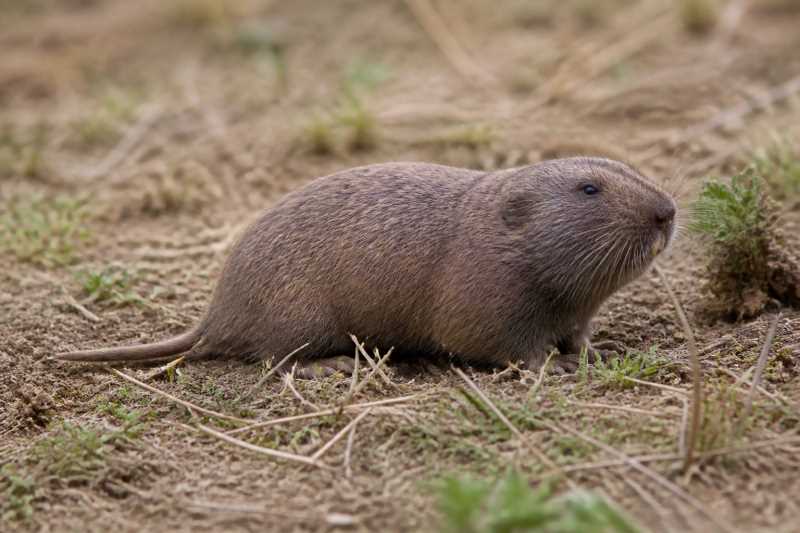
Hall’s Pocket Gopher is a medium-sized rodent, typically measuring between 6 to 9 inches in length, with a robust body and short limbs. Its fur is soft and dense, usually ranging from a light brown to a darker, more russet hue. This coloration helps the gopher blend seamlessly with the soil in its habitat. One of the distinguishing features of Hall’s Pocket Gopher is its large, fur-lined cheek pouches, which are used for carrying food and nesting materials.
The gopher’s head is broad and flat, equipped with small eyes and ears that are adapted to its underground lifestyle. Its incisor teeth are prominent and continuously growing, allowing the gopher to efficiently gnaw through roots and soil. The forelimbs are particularly strong and equipped with long claws, perfect for digging extensive burrow systems.
Range and Habitat
Hall’s Pocket Gopher is primarily found in the central and southern regions of the United States, with a range extending into parts of northern Mexico. This species favors loose, sandy soils that facilitate easy digging. They are commonly found in grasslands, agricultural fields, and open woodlands.
The gophers construct intricate burrow systems that can extend several meters underground. These burrows provide protection from predators and extreme temperatures, as well as storage for food. The burrow systems typically include feeding tunnels, nesting chambers, and latrine areas.
Behavior and Diet
Hall’s Pocket Gopher is primarily a solitary and territorial animal, with individuals maintaining exclusive burrow systems. They are most active during the cooler parts of the day, such as early morning and late afternoon. The gophers communicate with each other through a series of vocalizations and scent markings.
Their diet primarily consists of roots, tubers, and other underground plant parts. They are also known to consume above-ground vegetation, pulling it into their burrows when necessary. This diet not only provides them with the necessary nutrients but also influences the vegetation dynamics of their habitat.
Identification Tips (Field Recognition Cues)
Spotting Hall’s Pocket Gopher in the field can be challenging due to its underground lifestyle. However, there are several signs that can indicate their presence:
- Mounds of Soil: Look for fresh mounds of soil, which are typically crescent-shaped and indicate recent digging activity.
- Burrow Entrances: Small, circular openings in the ground can signify gopher burrows. These are often plugged with soil.
- Chewed Vegetation: Evidence of gnawed plants or roots near burrow entrances.
- Tracks and Trails: Although rare above ground, you might find tracks or trails leading to burrow entrances.
Conservation Status (With Threats and Protections)
Currently, Hall’s Pocket Gopher is not listed as endangered or threatened. However, their populations are affected by habitat loss due to agricultural expansion and urbanization. Pesticides and rodenticides used in farming practices also pose significant threats to their survival.
Conservation efforts focus on habitat preservation and promoting sustainable agricultural practices. Protecting grassland ecosystems and minimizing chemical use can help maintain healthy gopher populations. Some regions have initiated programs to educate farmers about the ecological benefits of gophers and how to coexist with them.
Frequently Asked Questions
1. What is the primary diet of Hall’s Pocket Gopher? Hall’s Pocket Gopher primarily feeds on roots, tubers, and other underground plant parts. They occasionally consume above-ground vegetation by pulling it into their burrows.
2. How can I identify Hall’s Pocket Gopher in the wild? You can identify Hall’s Pocket Gopher by looking for crescent-shaped soil mounds, small burrow entrances, and chewed vegetation near the burrows.
3. What role does Hall’s Pocket Gopher play in the ecosystem? Hall’s Pocket Gopher contributes to soil aeration and seed dispersal, which are vital for maintaining healthy ecosystems and promoting plant diversity.
4. Are Hall’s Pocket Gophers endangered? Currently, Hall’s Pocket Gopher is not considered endangered, but they face threats from habitat loss and agricultural practices.
5. How do Hall’s Pocket Gophers communicate? Hall’s Pocket Gophers communicate through vocalizations and scent markings, as they are primarily solitary animals.
Related posts