Jujuy Tuco-tuco (Ctenomys juris): A Comprehensive Guide
Introduction
The Jujuy Tuco-tuco, scientifically known as Ctenomys juris, is a fascinating species of rodent belonging to the family Ctenomyidae. This species is part of the genus Ctenomys, commonly referred to as tuco-tucos, which are endemic to South America. Known for their burrowing lifestyle, tuco-tucos play a crucial role in their ecosystems by influencing soil composition and vegetation dynamics. Despite their ecological importance, many tuco-tuco species, including the Jujuy Tuco-tuco, remain poorly understood due to their elusive nature and limited geographical distribution.
Physical Description
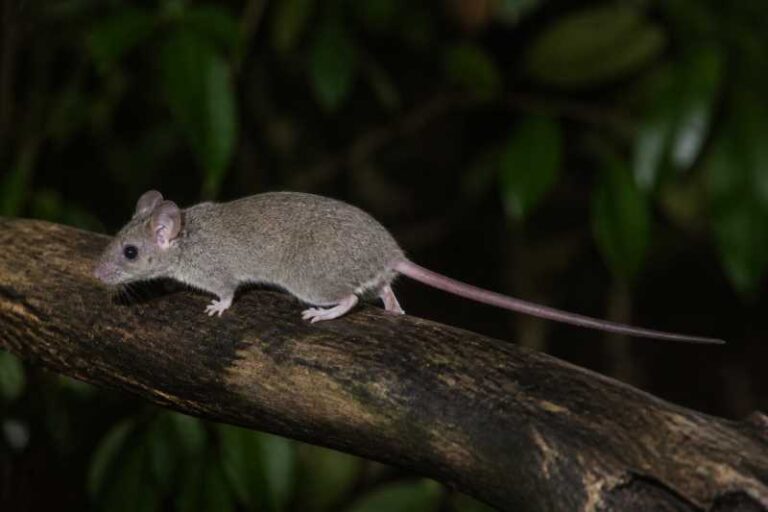
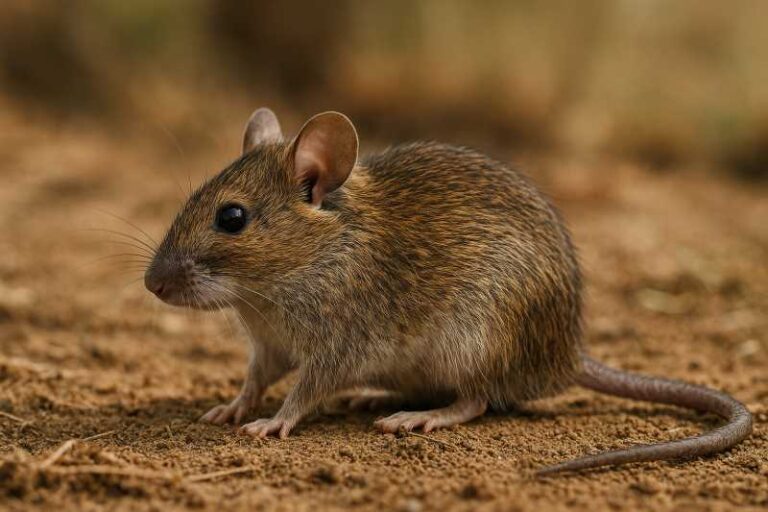
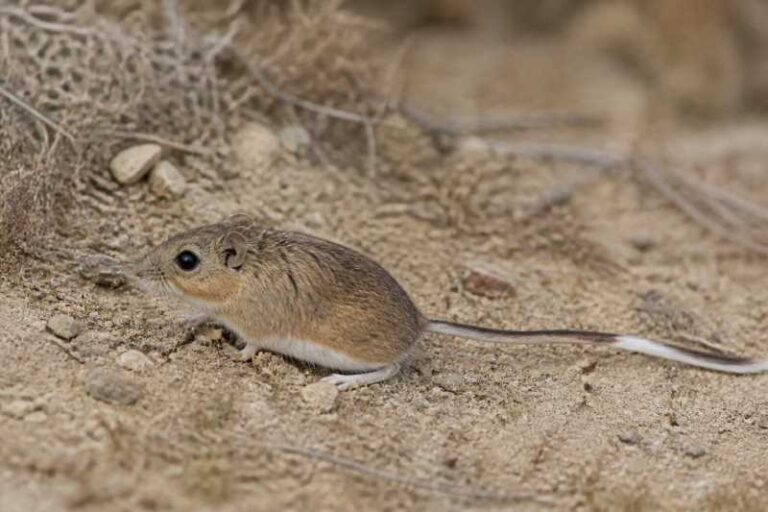
The Jujuy Tuco-tuco is a medium-sized rodent characterized by its robust body and distinctive fur coloration. Typically, adults measure between 20 to 25 centimeters in length, excluding the tail, which adds an additional 6 to 8 centimeters. The fur is generally a mixture of brown and gray tones, providing effective camouflage within their natural habitat. One of the most distinguishing features of the Jujuy Tuco-tuco is its strong, clawed forelimbs, adapted for digging extensive burrow systems. Their small eyes and ears are indicative of a subterranean lifestyle, reducing exposure to predators and harsh weather conditions.
Range and Habitat
The Jujuy Tuco-tuco is endemic to Argentina, specifically within the Jujuy Province. This species favors habitats that offer loose, well-drained soils ideal for burrowing. They are typically found in grasslands, shrublands, and occasionally in agricultural areas, where they can easily excavate their intricate tunnel systems. The region where the Jujuy Tuco-tuco resides is characterized by a temperate climate with distinct wet and dry seasons, influencing their foraging and breeding behaviors.
Behavior and Diet
Jujuy Tuco-tucos are primarily solitary animals, although they occasionally share burrows with offspring or during the breeding season. Their burrows serve multiple purposes, including protection from predators, a place to rear young, and a storage site for food. These rodents are mostly herbivorous, feeding on a variety of roots, tubers, and grasses. During the wet season, when vegetation is abundant, they actively forage and store food in their burrows to prepare for the drier months.
Tuco-tucos are known for their vocalizations, which include a range of calls used for communication between individuals. These calls are often used to establish territory, attract mates, and signal danger. Despite their subterranean lifestyle, tuco-tucos have a significant impact on above-ground ecosystems by influencing plant community structures through their burrowing activities.
Identification Tips (Field Recognition Cues)
Identifying the Jujuy Tuco-tuco in the field can be challenging due to their secretive nature and similarity to other tuco-tuco species. However, there are several key features that can aid in their identification:
- Fur Coloration: Look for the unique brown and gray fur, which blends well with their environment.
- Burrow Entrances: Their burrows have distinct round entrances, often surrounded by freshly excavated soil.
- Vocalizations: Listen for their characteristic calls, which are more frequent during the breeding season.
- Geographical Location: Confirm the presence of tuco-tucos in Jujuy Province, as this is their primary range.
Conservation Status (with Threats and Protections)
The conservation status of the Jujuy Tuco-tuco is currently listed as Data Deficient by the International Union for Conservation of Nature (IUCN). This classification highlights the need for further research to assess their population size and trends. Several threats potentially impact this species, including habitat destruction due to agricultural expansion, urban development, and mining activities.
Despite these threats, there are no specific conservation measures in place for the Jujuy Tuco-tuco. However, protecting their natural habitats through sustainable land-use practices and establishing protected areas could benefit their long-term survival. Conservation efforts should also focus on increasing awareness and understanding of their ecological role within the region.
Frequently Asked Questions
1. What do Jujuy Tuco-tucos eat?
Jujuy Tuco-tucos primarily feed on roots, tubers, and grasses. They are herbivorous and rely on these plant materials for nutrition, especially storing food during the wet season to prepare for the dry months.
2. Where can I find Jujuy Tuco-tucos in the wild?
Jujuy Tuco-tucos are endemic to the Jujuy Province of Argentina. They inhabit grasslands, shrublands, and some agricultural areas where they can construct their burrows.
3. How do Jujuy Tuco-tucos communicate?
These rodents communicate through a series of vocalizations used to establish territory, attract mates, and signal danger. These calls are particularly important during the breeding season.
4. Are Jujuy Tuco-tucos endangered?
Currently, the Jujuy Tuco-tuco is listed as Data Deficient by the IUCN, meaning there is insufficient data to determine their risk of extinction. More research is needed to assess their population and threats.
5. What threats do Jujuy Tuco-tucos face?
The main threats to Jujuy Tuco-tucos include habitat destruction due to agricultural expansion, urban development, and mining activities. Conservation efforts are necessary to protect their habitats and ensure their survival.
Related posts