Napo Saki (Pithecia napensis): A Comprehensive Guide
Introduction
The Napo Saki, scientifically known as Pithecia napensis, is a fascinating primate species belonging to the family Pitheciidae. These remarkable mammals are native to the neotropical regions of South America, notably thriving in the lush forests surrounding the Napo River, from which their name is derived. Often overshadowed by more prominent primate species, Napo Sakis are nonetheless a vital component of their ecosystem, playing significant roles in seed dispersal and forest dynamics. This article delves into the intriguing world of the Napo Saki, providing valuable insights into their physical characteristics, habitat preferences, behaviors, and conservation status.
Physical Description
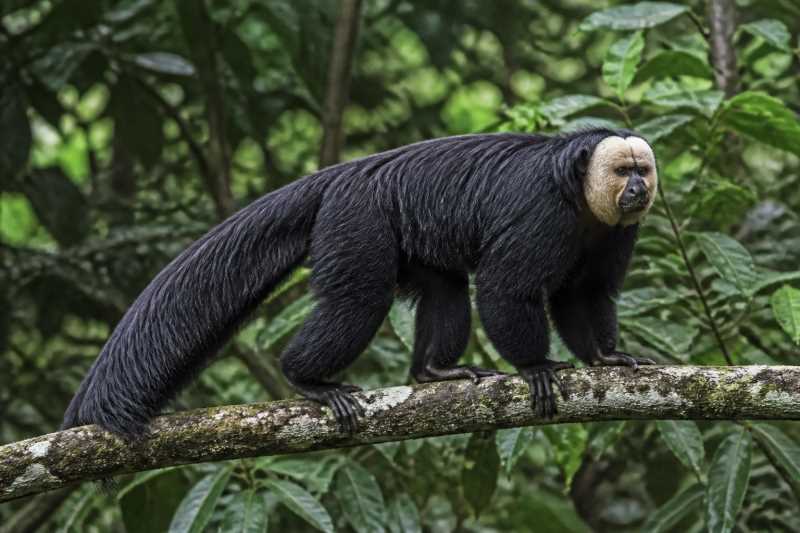
Napo Sakis exhibit a distinctive appearance that sets them apart from other primates. Adult males typically weigh between 2.5 to 3.5 kilograms, while females are slightly lighter, weighing around 2 to 3 kilograms. Their bodies are covered with dense, coarse hair that varies in color from dark brown to black, interspersed with lighter patches, particularly around their faces. One of the most striking features of Napo Sakis is their bushy tails, which are not prehensile but serve as a balancing tool and a visual signal.
Their faces are notable for a lack of fur, revealing a skin tone that ranges from pale pink to brownish. Napo Sakis boast a distinctively shaped nose and a pronounced jawline, which are adaptations for their specialized diet. Their large, almond-shaped eyes provide excellent vision, an essential trait for navigating the dense forest canopy.
Range and Habitat
The Napo Saki is predominantly found in the western Amazon Basin, with a range encompassing parts of northeastern Ecuador, southeastern Colombia, and northern Peru. They thrive in diverse forest types, including terra firme forests, flooded forests, and secondary growth areas. These habitats offer the dense canopy cover and abundant food resources necessary for their survival.
Napo Sakis are arboreal creatures, spending most of their lives in the trees. They are adept climbers and leapers, capable of traversing large gaps between trees with ease. Their preference for the upper canopy layer allows them to exploit food resources that might be inaccessible to ground-dwelling animals.
Behavior and Diet
Napo Sakis are diurnal, meaning they are active during the day. They are social animals, typically found in small family groups consisting of a dominant male, several females, and their offspring. These groups exhibit strong social bonds, often engaging in grooming and other affiliative behaviors that reinforce group cohesion.
Their diet primarily consists of fruits, seeds, and leaves, with a particular emphasis on hard seeds that require their specialized dentition to crack open. They also consume insects and small vertebrates, adding protein to their diet. Napo Sakis play a crucial role in their ecosystem by dispersing seeds throughout the forest, contributing to plant diversity and regeneration.
Identification Tips (Field Recognition Cues)
Recognizing Napo Sakis in the wild requires keen observation and an understanding of their unique characteristics. Here are some tips for identifying them:
- Silhouette and Movement: Look for their distinctive silhouette as they move through the canopy. Their bushy tails and agile movements are telltale signs.
- Facial Features: Note the lack of fur on their faces and their pronounced nose and jawline.
- Vocalizations: Listen for their vocal calls, which are often used to communicate within groups and can be a reliable indicator of their presence.
- Group Behavior: Observe the social dynamics of groups, where grooming and playful interactions are common.
- Feeding Habits: Watch for their seed-cracking behavior, a unique feeding adaptation.
Conservation Status (With Threats and Protections)
The Napo Saki is currently listed as Near Threatened on the IUCN Red List. The primary threats to their survival are habitat destruction due to logging, agriculture, and mining activities. These activities lead to fragmentation of their forest habitats, reducing their living space and isolating populations.
Conservation efforts are underway to protect the Napo Saki and its habitat. Protected areas have been established within their range, and there are ongoing initiatives to promote sustainable land-use practices. Raising awareness about the ecological importance of Napo Sakis is crucial for garnering support for their conservation.
Frequently Asked Questions
What is the habitat range of the Napo Saki?
Napo Sakis inhabit the western Amazon Basin, particularly in northeastern Ecuador, southeastern Colombia, and northern Peru. They prefer dense, tropical forests with a rich canopy.
How do Napo Sakis communicate?
Napo Sakis communicate through a variety of vocalizations, body postures, and grooming behaviors. Their vocal calls are essential for maintaining group cohesion and territorial boundaries.
Are Napo Sakis endangered?
While not currently endangered, Napo Sakis are classified as Near Threatened due to habitat loss and fragmentation, which pose significant risks to their populations.
What do Napo Sakis eat?
Their diet mainly consists of fruits, seeds, leaves, and occasionally insects and small vertebrates. Their specialized teeth allow them to crack open hard seeds.
How can I help protect Napo Sakis?
Supporting conservation organizations, promoting sustainable practices, and raising awareness about the importance of preserving their habitats can contribute to the protection of Napo Sakis.
Related posts