Introduction
The Sonoma Chipmunk, scientifically known as Neotamias sonomae, is a captivating small mammal that intrigues wildlife enthusiasts and researchers alike. Endemic to the United States, this species is a part of the diverse squirrel family, Sciuridae. As a member of the genus Tamias, it shares its lineage with other chipmunks, but it boasts unique characteristics that set it apart. This article delves into the various aspects of the Sonoma Chipmunk, providing comprehensive information on its physical description, habitat, behavior, and conservation status.
Physical Description
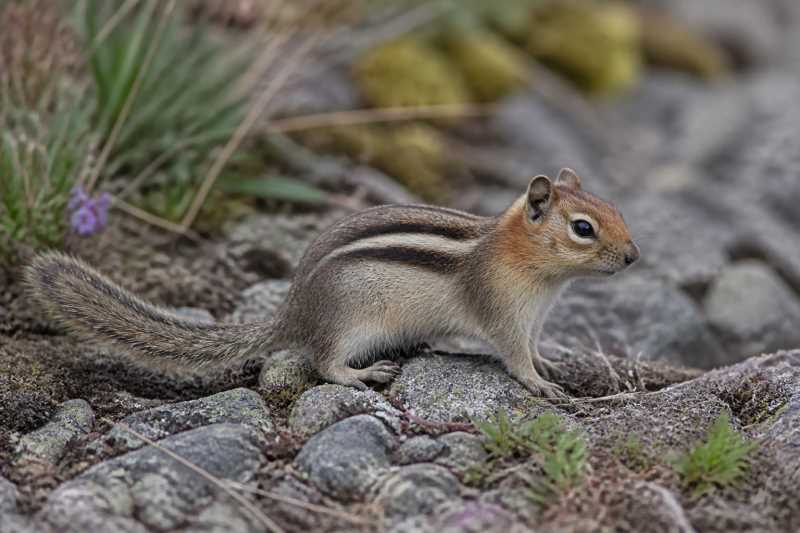
The Sonoma Chipmunk is a small rodent, generally weighing between 50 to 100 grams. It measures approximately 22 to 30 centimeters in total length, with a tail that accounts for half of its body size. Its fur is predominantly a blend of brown and gray hues, with distinctive stripes running along its back. These stripes are one of its most striking features, typically dark brown to black, separated by lighter bands. The belly is usually a lighter, whitish color, providing a stark contrast to its back.
The face of the Sonoma Chipmunk is marked by lighter stripes above and below the eyes, enhancing its alert and curious expression. Its ears are small and rounded, adding to its endearing appearance. This species has sharp claws and strong hind legs, adaptations that aid in climbing and foraging.
Range and Habitat
The Sonoma Chipmunk is primarily found in the western regions of the United States, specifically within the state of California. Its range is relatively limited, often confined to the coastal and mountainous areas of Sonoma County and its immediate surroundings.
This species thrives in diverse habitats, including mixed coniferous forests, oak woodlands, and chaparral ecosystems. The Sonoma Chipmunk prefers environments with dense ground cover, offering ample protection from predators and a rich supply of food resources. Elevations ranging from sea level to around 2,000 meters are common habitats for this chipmunk.
Behavior and Diet
Sonoma Chipmunks are diurnal creatures, meaning they are most active during the day. Their activity peaks in the early morning and late afternoon, avoiding the midday heat. These chipmunks are known for their energetic and agile movements, often seen scurrying across the forest floor or darting up trees.
The diet of the Sonoma Chipmunk is diverse, consisting mainly of seeds, nuts, fruits, and insects. They are also known to consume fungi and small vertebrates on occasion. Their foraging behavior is characterized by extensive food caching, where they store food in various hidden locations to sustain themselves during periods of scarcity, such as the winter months.
Identification Tips (Field Recognition Cues)
Identifying the Sonoma Chipmunk in the wild can be a rewarding experience. Here are some key field recognition cues:
- Striped Back: Look for the characteristic dark and light stripes running along its back.
- Facial Markings: Notice the distinct light and dark stripes on its face, especially around the eyes.
- Size and Shape: Observe its small size and compact body, with a tail as long as its body.
- Habitat: Spot these chipmunks in dense forests and woodlands, often near tree trunks or ground cover.
- Behavior: Watch for their quick, darting movements and listen for their high-pitched vocalizations.
Conservation Status (with Threats and Protections)
The Sonoma Chipmunk is currently not listed as endangered, but it faces several environmental pressures that could impact its population. Habitat loss due to urbanization, logging, and agriculture poses significant threats to its natural habitat.
Predation by domestic animals and introduced species also contributes to declining numbers in certain areas. Climate change further exacerbates these threats, altering the ecosystems they depend on.
Conservation efforts are crucial to preserving this species. Protected areas and national parks in California provide refuge, safeguarding their habitats from human encroachment. Conservationists also advocate for sustainable land-use practices and the protection of critical habitats to ensure the long-term survival of the Sonoma Chipmunk.
Frequently Asked Questions
What do Sonoma Chipmunks eat?
Sonoma Chipmunks have a varied diet that includes seeds, nuts, fruits, insects, fungi, and occasionally small vertebrates. Their foraging habits are adapted to their habitat, allowing them to exploit a wide range of food sources.
Where can you find the Sonoma Chipmunk?
This chipmunk species is primarily found in the coastal and mountainous regions of Sonoma County, California. They inhabit mixed forests, oak woodlands, and chaparral areas with dense ground cover.
How do Sonoma Chipmunks adapt to winter?
Sonoma Chipmunks do not hibernate but instead rely on food caches to survive the winter months. They reduce their activity levels and make use of stored food to maintain their energy needs.
Are Sonoma Chipmunks endangered?
Currently, the Sonoma Chipmunk is not listed as endangered. However, habitat loss and other environmental threats pose risks to their population, necessitating ongoing conservation efforts.
How can I identify a Sonoma Chipmunk in the wild?
Look for their distinctive stripes on the back and face, small size, and agile movements. They are often found in forested areas with ample ground cover.
Related posts