Introduction
The Jalisco Deermouse, scientifically known as Peromyscus chrysopus, is a fascinating mammal species that inhabits the diverse landscapes of Mexico. While not as widely known as some other members of the rodent family, the Jalisco Deermouse plays a crucial role in its ecosystem. This article explores the physical characteristics, habitat, behavior, and conservation status of this unique species, providing a comprehensive overview for nature enthusiasts and conservationists alike.
Physical Description
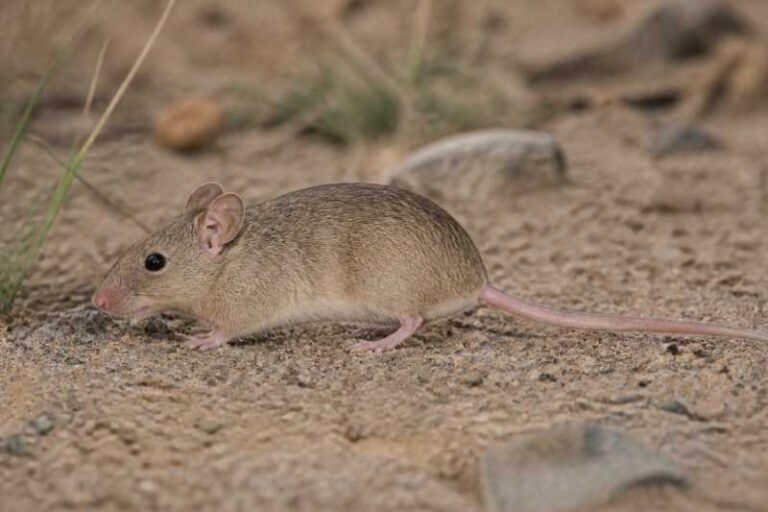
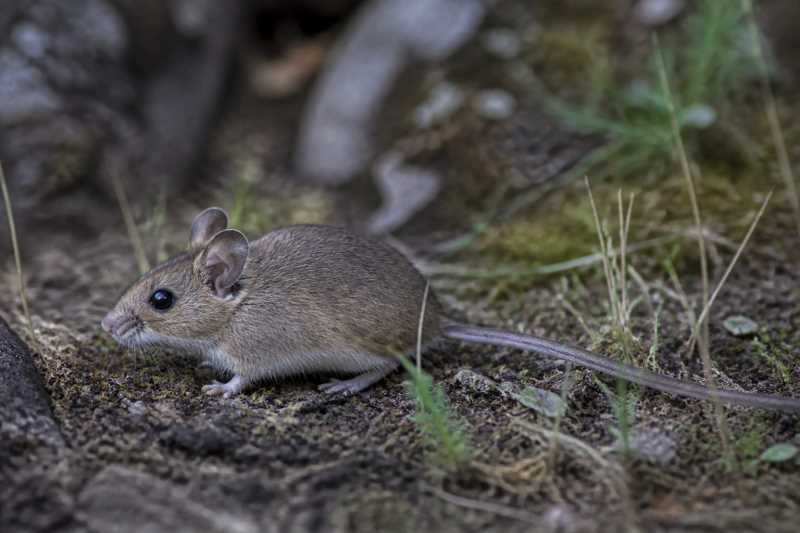
The Jalisco Deermouse is a small rodent that exhibits the typical characteristics of the genus Peromyscus. Adults generally measure between 15 to 20 cm in total length, including their tails, which are often as long as or longer than their bodies. They weigh approximately 20 to 30 grams, making them lightweight yet agile.
This deermouse is characterized by a soft, dense fur coat that is predominantly a brownish-grey color on the dorsal side, transitioning to a lighter, almost white hue on the ventral side. Their large, dark eyes and rounded ears are adaptations that enhance their nocturnal lifestyle, allowing them to navigate and forage under the cover of darkness effectively.
Range and Habitat
Peromyscus chrysopus is endemic to Mexico, with its primary range located in the state of Jalisco, hence the common name. The species is also found in neighboring areas, extending into the states of Nayarit, Colima, and Michoacán. The Jalisco Deermouse thrives in a variety of habitats, including semi-arid regions, shrublands, and deciduous forests.
Their habitat preferences are largely influenced by the availability of food sources and cover, which are crucial for protection against predators. These rodents are often found in areas with dense vegetation that provides ample shelter and nesting sites.
Behavior and Diet
The Jalisco Deermouse is primarily nocturnal, exhibiting peak activity during the night. This behavior helps them avoid daytime predators and take advantage of cooler temperatures. They are solitary creatures, with individuals maintaining defined territories that they mark with scent.
Their diet is omnivorous, consisting mainly of seeds, fruits, and insects. This varied diet allows them to adapt to different environmental conditions and food availability. Foraging behavior typically involves a combination of ground and low-vegetation searching, utilizing their acute senses to locate food.
Identification Tips (Field Recognition Cues)
Identifying the Jalisco Deermouse in the field can be challenging due to its nocturnal habits and the presence of closely related species. However, there are several key characteristics that can aid identification:
- Size and Shape: Look for a small rodent with a long tail and slender body.
- Fur Coloration: Note the contrast between the dark brownish-grey dorsal fur and the lighter ventral fur.
- Ears and Eyes: Large, rounded ears and prominent dark eyes are distinctive features.
- Behavior: Nocturnal activity and solitary behavior can help differentiate it from other rodents.
Conservation Status (With Threats and Protections)
Currently, the Jalisco Deermouse is not listed as endangered, but it faces several potential threats that could impact its population in the future. Habitat loss due to agricultural expansion, deforestation, and urbanization poses significant risks. Additionally, climate change could alter their habitat, affecting food availability and shelter.
Conservation efforts are crucial to ensuring the survival of this species. Protected areas and conservation programs aimed at preserving natural habitats are vital. Further research into the species’ ecology and population dynamics will also aid in developing effective conservation strategies.
Frequently Asked Questions
1. What is the natural habitat of the Jalisco Deermouse?
The Jalisco Deermouse primarily inhabits semi-arid regions, shrublands, and deciduous forests in Mexico, particularly in the state of Jalisco and surrounding areas.
2. How can I identify a Jalisco Deermouse in the wild?
Look for a small rodent with a slender body, long tail, and contrasting fur colors. Their large ears and dark eyes are also key identifiers.
3. What threats does the Jalisco Deermouse face?
The primary threats include habitat loss due to human activities like agriculture and urban development, as well as the potential impacts of climate change.
4. Are there conservation efforts in place for the Jalisco Deermouse?
Yes, conservation efforts focus on habitat preservation and management, along with research to better understand the species’ ecological needs.
5. What does the Jalisco Deermouse eat?
Their diet is omnivorous, consisting of seeds, fruits, and insects, allowing them to adapt to varying environmental conditions.
Related posts