Introduction
The fascinating world of rodents is vast and diverse, showcasing a plethora of species that vary in size, color, and habitat preferences. Among these intriguing creatures is Torres’s Pink-lipped Mouse, scientifically known as Bibimys torresi. This captivating small mammal is a member of the family Cricetidae and is renowned for its distinctive pink lips, which not only contribute to its common name but also aid in its identification in the wild.
Torres’s Pink-lipped Mouse is predominantly found in certain regions of South America, where it inhabits specific types of environments that cater to its survival needs. This article delves into the various facets of this unique mammal, including its physical characteristics, natural habitat, behavioral patterns, and conservation status.
Physical Description
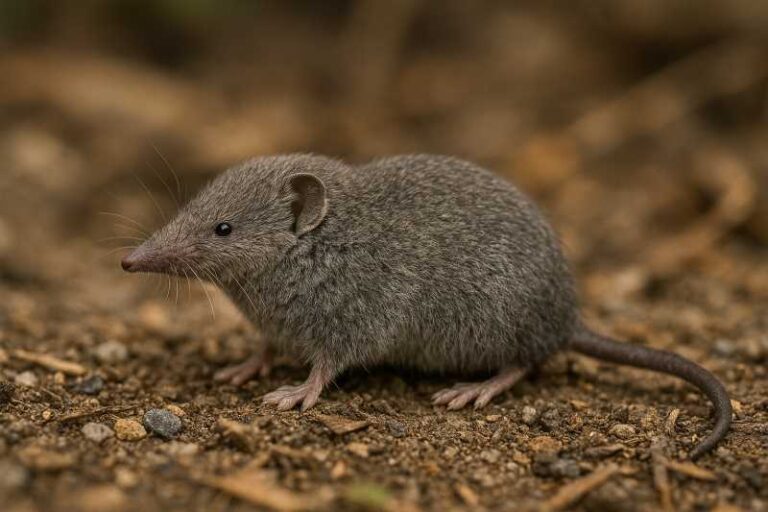
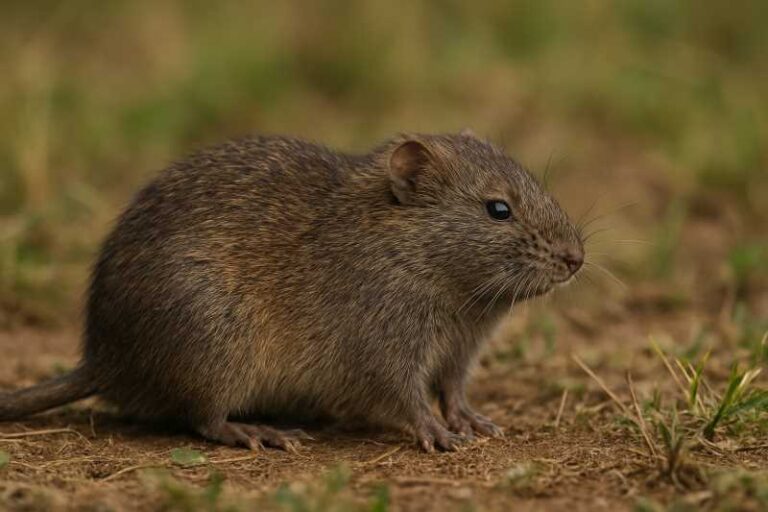
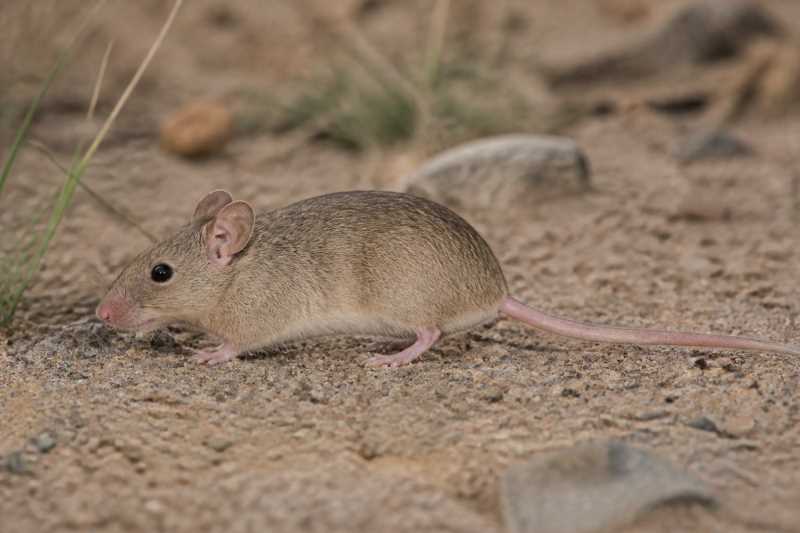
The physical appearance of Torres’s Pink-lipped Mouse is quite distinctive, making it relatively easy to identify within its native habitat. As the name suggests, one of the most striking features of this species is its pink-colored lips, which stand out against its overall brownish fur.
This small rodent typically measures between 6 to 8 centimeters in body length, with a tail that adds an additional 5 to 7 centimeters. The fur is generally soft and dense, providing excellent insulation against the cool temperatures of its natural habitat. The dorsal side tends to be a darker brown, while the ventral side is lighter, often displaying shades of gray or white.
Another notable feature of Bibimys torresi is its ears, which are relatively small and rounded, often blending seamlessly with its fur. The eyes are beady and black, contributing to its nocturnal lifestyle by providing enhanced night vision. The limbs are short, with forepaws adapted to digging and foraging, while the hind legs are slightly longer, aiding in hopping and swift movement.
Range and Habitat
Torres’s Pink-lipped Mouse is primarily found in the southern regions of South America, with a range that includes areas of Argentina, Paraguay, and Uruguay. This geographic range is characterized by a variety of habitats, each offering specific conditions that support the survival and proliferation of the species.
The preferred habitat of Bibimys torresi includes grasslands, open fields, and agricultural lands. These environments provide ample food resources and shelter opportunities. The species is also found in areas with dense undergrowth and near water bodies, where the soil is soft enough for burrowing.
Seasonal changes in these regions influence the habitat preferences of Torres’s Pink-lipped Mouse, prompting seasonal migrations or shifts in microhabitats to optimize resource utilization. These patterns are crucial for understanding the ecological role and adaptive strategies of the species.
Behavior and Diet
The behavior of Torres’s Pink-lipped Mouse is primarily nocturnal, with most of its activities occurring during the night. This behavior is an evolutionary adaptation that helps avoid predators and reduces competition for resources with other diurnal species.
The species is known for its solitary or small group living arrangements, often forming loose colonies in areas with abundant food and shelter. Communication within these groups is facilitated through a combination of vocalizations, scent markings, and tactile interactions.
Dietarily, Bibimys torresi is omnivorous, with a diet that includes a wide variety of plant materials, seeds, and insects. This diverse diet allows the species to exploit different food sources depending on seasonal availability. In agricultural areas, it may also consume crops, which can sometimes bring it into conflict with human activities.
Identification Tips (Field Recognition Cues)
Identifying Torres’s Pink-lipped Mouse in its natural environment can be challenging due to its elusive nature and the similarity to other small rodents. However, several key features can aid in its identification:
- Pink Lips: The most distinctive feature, which is unique to this species among its regional counterparts.
- Size and Proportions: Small body size with a relatively short tail compared to other similar rodents.
- Coloration: A combination of darker dorsal fur and lighter ventral fur, with a distinct boundary.
- Habitat Preference: Often found in grassy or agricultural areas, particularly where there is dense ground cover.
- Activity Pattern: Predominantly nocturnal, with peak activity in the early evening and pre-dawn hours.
Conservation Status (with Threats and Protections)
As of the latest assessments, Torres’s Pink-lipped Mouse is not listed as endangered, but it is crucial to monitor its population trends due to potential threats. The primary threats to this species include habitat destruction and fragmentation, driven by agricultural expansion, urbanization, and deforestation.
Conservation efforts are focused on habitat preservation and monitoring population dynamics. Protected areas within its range play a vital role in providing refuge and maintaining ecological balance. Additionally, research initiatives aimed at understanding the species’ ecology and behavior are essential for informed conservation strategies.
Human activities, such as pesticide use and land conversion, pose indirect threats by affecting food availability and habitat structure. Collaborative efforts between conservation organizations and local communities are vital to ensuring the long-term survival of this species.
Frequently Asked Questions
1. What does Torres’s Pink-lipped Mouse eat? Torres’s Pink-lipped Mouse is omnivorous, feeding on a variety of plant materials, seeds, and insects. Its diet adapts to seasonal changes and availability of resources.
2. Where can I find Torres’s Pink-lipped Mouse in the wild? This species is primarily found in the southern regions of South America, including Argentina, Paraguay, and Uruguay, often inhabiting grasslands and agricultural areas.
3. How can you distinguish Torres’s Pink-lipped Mouse from other rodents? The distinct pink lips, small size, and specific coloration patterns, along with its nocturnal activity, help distinguish it from other regional rodents.
4. Is Torres’s Pink-lipped Mouse endangered? Currently, it is not listed as endangered, but habitat destruction and other human activities pose potential threats, necessitating ongoing conservation efforts.
5. What adaptations help Torres’s Pink-lipped Mouse survive? Its nocturnal behavior, omnivorous diet, and burrowing abilities are key adaptations that enhance its survival in various environments.
Related posts