Introduction
The Gansu Pika (Ochotona cansus) is a small mammal belonging to the Ochotonidae family, which includes other pika species. Known for its distinctive squeaks and industrious nature, the Gansu Pika is native to the mountainous regions of central China. These small creatures play a significant role in their ecosystem, both as prey for local predators and as ecosystem engineers, influencing the vegetation structure and biodiversity of their habitat. Understanding the Gansu Pika’s characteristics, behavior, and conservation status can help us appreciate their ecological importance and highlight the need for their preservation.
Physical Description
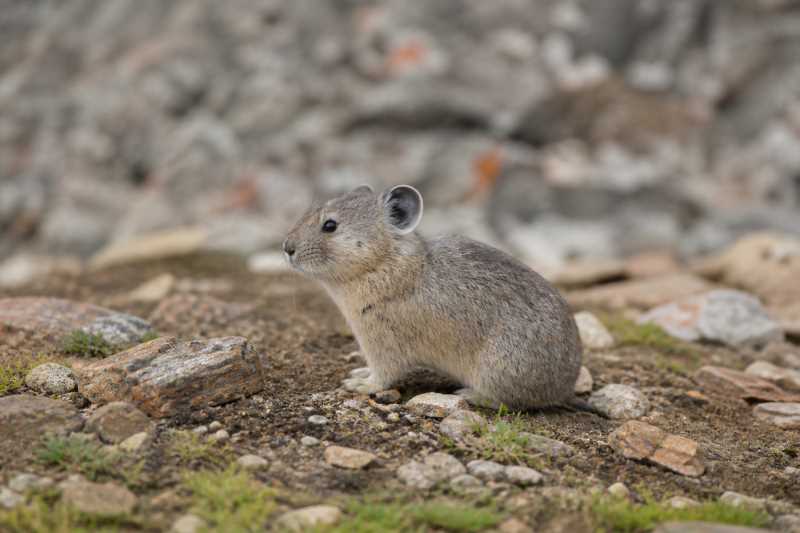
The Gansu Pika is a diminutive creature, typically measuring between 15 and 20 centimeters in length and weighing around 140 to 200 grams. Their compact body is covered in dense fur, which provides insulation against the cold temperatures of their high-altitude habitats. The fur is generally a grayish-brown color, allowing them to blend seamlessly with their rocky surroundings. One of the most distinguishing features of the Gansu Pika is its rounded ears, which are smaller than those of other lagomorphs like rabbits and hares. Additionally, they have short limbs, with the hind legs slightly longer than the front legs, aiding in their agility over rocky terrain.
Range and Habitat
The Gansu Pika is endemic to China, primarily found in the provinces of Gansu, Shaanxi, and Sichuan. These mammals inhabit high-altitude environments, typically ranging from 2,500 to 4,000 meters above sea level. They thrive in rocky terrains, alpine meadows, and shrublands where they can find abundant cover and food resources. The harsh conditions of their habitat, characterized by cold temperatures and limited vegetation, have shaped the Gansu Pika’s adaptations and behaviors, making them a fascinating subject for ecological studies.
Behavior and Diet
Gansu Pikas are diurnal creatures, most active during the morning and late afternoon. They are known for their vocalizations, which serve as communication signals to warn of predators and establish territory. Unlike some other pika species, the Gansu Pika does not hibernate. Instead, they engage in a behavior known as ‘haymaking,’ where they gather and store vegetation during the warmer months to sustain themselves through the winter.
Their diet primarily consists of a variety of plant materials, including grasses, herbs, leaves, and flowers. This herbivorous diet plays a crucial role in shaping the vegetation composition of their habitat. By selectively foraging certain plants, Gansu Pikas can influence plant community dynamics, contributing to the biodiversity of their environment.
Identification Tips
Recognizing the Gansu Pika in the wild requires attention to several field identification cues:
- Size and Shape: The small, rounded body and short limbs are key indicators. Their size is closer to that of a guinea pig than a rabbit.
- Fur Color: Their grayish-brown fur provides excellent camouflage against the rocky landscapes they inhabit.
- Ears: Look for their relatively small, rounded ears, which are less prominent than those of other lagomorphs.
- Vocalizations: Listen for their high-pitched squeaks, often used to communicate alert calls among social groups.
- Activity Patterns: Observing their active periods in the morning and late afternoon can increase the likelihood of spotting them.
Conservation Status
The Gansu Pika is currently classified as "Least Concern" by the International Union for Conservation of Nature (IUCN). However, they face several threats that could impact their populations in the future. Habitat destruction due to agricultural expansion and infrastructure development poses a significant risk. Additionally, climate change presents a long-term threat, as rising temperatures could alter their high-altitude habitats, reducing the availability of suitable environments.
Protection efforts for the Gansu Pika include habitat conservation and monitoring population trends. Promoting awareness of their ecological roles and the threats they face is essential for their continued survival.
Frequently Asked Questions
What do Gansu Pikas eat?
Gansu Pikas primarily consume grasses, herbs, leaves, and flowers. They are herbivores that play a significant role in their ecosystem by influencing plant community dynamics.
Where do Gansu Pikas live?
Gansu Pikas are native to the high-altitude regions of central China, specifically in the provinces of Gansu, Shaanxi, and Sichuan. They inhabit rocky terrains, alpine meadows, and shrublands.
How do Gansu Pikas survive the winter?
Unlike some other pika species, Gansu Pikas do not hibernate. They survive the winter by engaging in ‘haymaking,’ gathering and storing vegetation during the warmer months to sustain themselves.
Why are Gansu Pikas important to the ecosystem?
Gansu Pikas are important ecosystem engineers. Their foraging habits influence vegetation structure and biodiversity, and they serve as a prey species for local predators.
Are Gansu Pikas endangered?
Currently, Gansu Pikas are classified as "Least Concern" by the IUCN. However, they face threats from habitat destruction and climate change, which could impact their populations in the future.
Related posts