Introduction
The California Deermouse (Peromyscus californicus) is a fascinating species within the rodent family, known for its unique behaviors and adaptations to its environment. This small, yet intriguing mammal is native to the western regions of North America, specifically concentrated in California. As an essential part of the ecosystem, the California Deermouse plays a significant role in seed dispersion and as a food source for various predators. In this article, we delve deeper into the characteristics, habitat, and conservation status of this remarkable species.
Physical Description
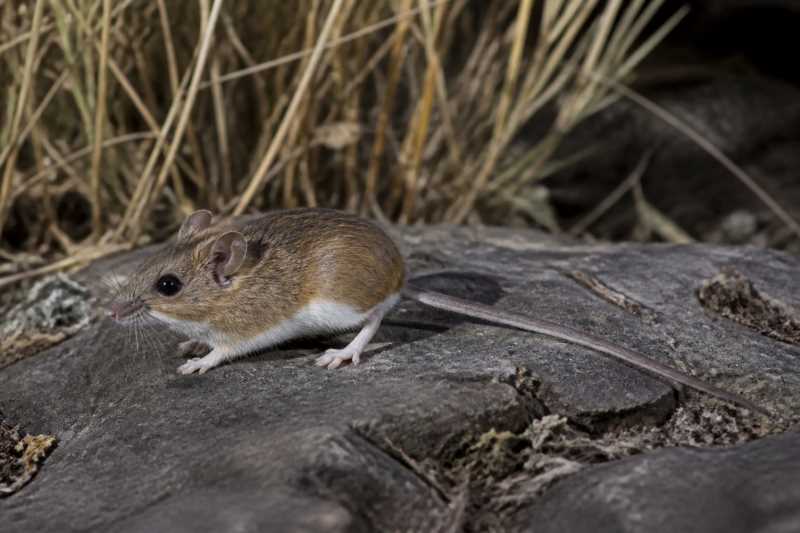
The California Deermouse is a medium-sized rodent with distinct physical features that distinguish it from other Peromyscus species. It typically measures about 9 to 11 inches in length, including its tail, which accounts for nearly half of its total length. The fur of the California Deermouse is usually a tawny or buff color on the upper side, with a white or cream underside, providing it with excellent camouflage in its natural habitat. Its large eyes and ears are well-adapted for nocturnal activity, allowing it to navigate and forage efficiently at night.
One of the most notable features of the California Deermouse is its long, tufted tail, which is often darker on the top and lighter underneath. This tail aids in balancing and maneuvering through the environment, particularly when climbing. Additionally, the elongated hind limbs of the deermouse enable it to make substantial leaps, an advantageous trait for escaping predators and traversing its rocky and uneven habitat.
Range and Habitat
The California Deermouse is primarily found along the coastal ranges of California, extending into parts of Baja California, Mexico. Its preferred habitat includes chaparral, oak woodlands, and coastal sage scrub environments. These areas provide ample cover and food resources essential for the survival of the species.
In addition to these habitats, the deermouse is often found in rocky outcrops and canyons, where it can find shelter and nesting sites. These environments offer an abundance of seeds, nuts, and insects, which constitute the primary diet of the species. The California Deermouse is highly adaptable, capable of thriving in both natural and disturbed habitats, although it does show a preference for undisturbed, natural areas where human impact is minimal.
Behavior and Diet
The California Deermouse is primarily nocturnal, with most of its activities occurring during the night. This behavior helps it avoid daytime predators and take advantage of the cooler nighttime temperatures. During the day, it typically seeks shelter in burrows or nests constructed from grass and other vegetation.
Its diet is omnivorous, consisting mainly of seeds, fruits, and insects. The ability to exploit a diverse range of food sources allows the deermouse to adapt to varying environmental conditions. It is known to store food in its burrows for times when resources are scarce, a behavior that underscores its adaptability and survival strategy.
The California Deermouse is also known for its social behavior, often living in small family groups. Communication within these groups is facilitated through vocalizations and scent marking, which help maintain social bonds and territorial boundaries.
Identification Tips (Field Recognition Cues)
Identifying a California Deermouse in the wild can be challenging due to its nocturnal nature and the presence of similar-looking species. However, several key characteristics can aid in its identification:
- Size and Tail: Look for a medium-sized rodent with a long, tufted tail that is darker on top and lighter underneath.
- Fur Coloration: The tawny or buff upper fur and white or cream underside are distinctive markings.
- Behavior: Observe its nocturnal activity patterns and social behaviors, such as group living and vocalizations.
- Habitat: Consider the environment; the deermouse is commonly found in chaparral, oak woodlands, and coastal sage scrub.
Conservation Status (With Threats and Protections)
The conservation status of the California Deermouse is currently classified as Least Concern by the International Union for Conservation of Nature (IUCN). This classification indicates that the species, at present, does not face an immediate risk of population decline or extinction. Nevertheless, the California Deermouse does face several threats that could impact its long-term survival.
Habitat destruction and fragmentation due to urban development and agriculture pose significant risks to the species. As natural habitats are converted for human use, the deermouse loses critical areas for foraging and nesting. Additionally, climate change may alter the habitats they rely on, forcing them to adapt to new conditions or relocate.
Conservation efforts are focused on preserving natural habitats and promoting sustainable land-use practices. Protected areas and reserves offer safe havens for the California Deermouse, helping to ensure its continued survival. Public education and awareness campaigns also play a vital role in promoting the importance of this species and its ecological contributions.
Frequently Asked Questions
Why is this species unique?
The California Deermouse is unique due to its specialized adaptations for nocturnal living and its role in the ecosystem as both a seed disperser and prey species. Its ability to thrive in a variety of habitats and its social behaviors further distinguish it from other rodents.
How does the California Deermouse contribute to the ecosystem?
The California Deermouse plays a crucial role in seed dispersion, which aids in plant propagation and ecosystem diversity. Additionally, it serves as an important food source for predators, maintaining the ecological balance within its habitat.
What are the main threats to the California Deermouse?
The primary threats to the California Deermouse include habitat destruction, fragmentation, and climate change. Urban development and agricultural expansion lead to the loss of natural habitats, while climate change can alter the environmental conditions necessary for their survival.
Are there any conservation efforts in place for this species?
Yes, conservation efforts focus on habitat preservation, sustainable land-use practices, and public education. Protected areas provide safe environments for the species, while awareness campaigns highlight its ecological importance and promote conservation actions.
How can individuals help protect the California Deermouse?
Individuals can help protect this species by supporting conservation organizations, advocating for habitat preservation, and participating in citizen science projects that monitor deermouse populations and their habitats.
Related posts