Introduction
The Irrawaddy Dolphin (Orcaella brevirostris) is a remarkable cetacean species that inhabits the coastal and freshwater environments of Southeast Asia. Known for their distinctive appearance and unique behaviors, Irrawaddy Dolphins have captured the interest of marine biologists and conservationists worldwide. Despite their charming demeanor, these dolphins are currently facing numerous threats that endanger their populations. This article delves into the various aspects of the Irrawaddy Dolphin, including their physical characteristics, habitat preferences, behaviors, conservation status, and more.
Physical Description
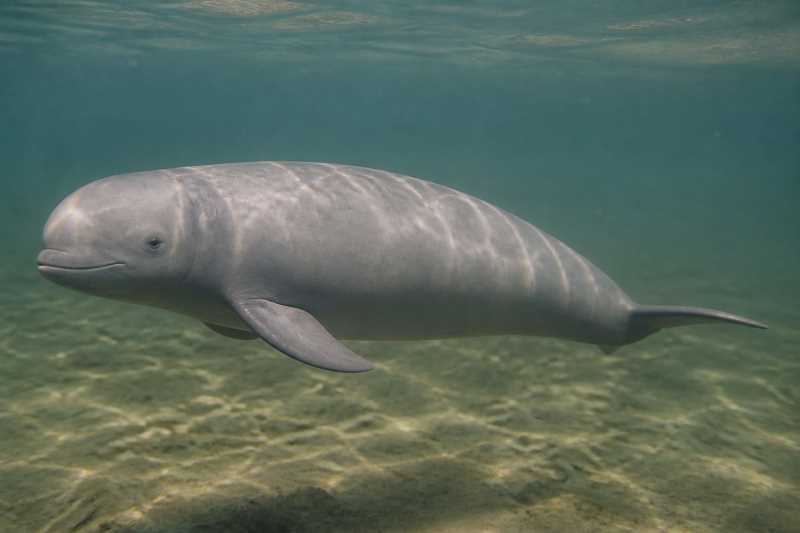
Irrawaddy Dolphins are medium-sized cetaceans with a robust body and a characteristically rounded forehead. Unlike many other dolphins, they lack a pronounced beak. Their dorsal fin is small and rounded, set back about two-thirds down their back. The coloring of an Irrawaddy Dolphin is typically a uniform gray, with a slightly lighter underside.
Adults can grow up to 2.5 meters (about 8 feet) in length and weigh between 90 to 150 kilograms (198 to 331 pounds). They have a unique facial structure characterized by a slight indentation behind the melon, giving them a friendly and approachable appearance. Their mouths are slightly upturned, further adding to their charismatic look.
Range and Habitat
The Irrawaddy Dolphin is predominantly found in the coastal and freshwater regions of Southeast Asia. Their range extends across parts of the Bay of Bengal and Southeast Asian rivers, including the Mekong, Mahakam, and Ayeyarwady rivers. They are also known to inhabit coastal areas along the shores of Myanmar, Thailand, Cambodia, Vietnam, and Indonesia.
Irrawaddy Dolphins prefer shallow, brackish waters and are often found in estuaries, mangrove channels, and freshwater rivers. The adaptability of these dolphins to both freshwater and marine environments is one of their unique ecological traits.
Behavior and Diet
Irrawaddy Dolphins are known for their shy yet curious behavior. They often swim in small groups of up to six individuals, although larger aggregations have been observed in some regions. These dolphins are not particularly acrobatic, but they are known to engage in playful activities such as spy-hopping and tail-slapping.
Their diet mainly consists of fish, crustaceans, and cephalopods. They use a method called "herding" where they work together to corral fish into tight groups, making them easier to catch. Irrawaddy Dolphins have also been observed using their rounded foreheads to create water disturbances, which help in stunning or disorienting prey.
Identification Tips
Identifying an Irrawaddy Dolphin in the field can be facilitated by several distinctive features:
- Rounded Forehead: The lack of a pronounced beak and the rounded forehead are key identifiers.
- Small Dorsal Fin: Their dorsal fin is small, rounded, and placed quite far back on the body.
- Coloration: Uniform gray with a lighter underside.
- Behavior: They are less likely to engage in high leaps compared to other dolphins, often observed spy-hopping or rolling at the surface.
Conservation Status
The Irrawaddy Dolphin is currently listed as "Endangered" on the IUCN Red List of Threatened Species. The primary threats to their survival include habitat destruction, pollution, entanglement in fishing nets, and vessel strikes. Additionally, the construction of dams and alteration of river flows have severely impacted their natural habitats.
Efforts to protect the Irrawaddy Dolphin include the establishment of protected areas, regulations on fishing practices, and community-based conservation initiatives. Organizations are working to increase awareness and promote sustainable practices to mitigate the threats faced by these dolphins.
Frequently Asked Questions
What is the lifespan of an Irrawaddy Dolphin?
Irrawaddy Dolphins typically live up to 30 years in the wild, although factors such as environmental conditions and threats can impact their longevity.
Are Irrawaddy Dolphins social animals?
Yes, they are social animals often found in small groups. They communicate using a variety of clicks and whistles and exhibit cooperative hunting behaviors.
How can I help in the conservation of Irrawaddy Dolphins?
Supporting organizations dedicated to marine conservation, reducing plastic use, and promoting sustainable fishing practices are effective ways to contribute to their conservation.
Where can I see Irrawaddy Dolphins in the wild?
Some of the best places to observe Irrawaddy Dolphins include the Mekong River in Cambodia, the Ayeyarwady River in Myanmar, and the coastal areas of the Bay of Bengal.
What is unique about the Irrawaddy Dolphin’s communication?
Irrawaddy Dolphins use a complex system of sounds for communication, including clicks, whistles, and burst pulses, which are believed to assist in navigation and social interaction.
Related posts