Introduction
The Indo-Pacific Bottlenose Dolphin, scientifically known as Tursiops aduncus, is a fascinating marine mammal that inhabits the warm waters of the Indian and western Pacific Oceans. Known for their intelligence, social behavior, and adaptability, these dolphins play a crucial role in marine ecosystems. This article provides an in-depth look at the Indo-Pacific Bottlenose Dolphin, covering their physical characteristics, habitat, behavior, and conservation status.
Physical Description
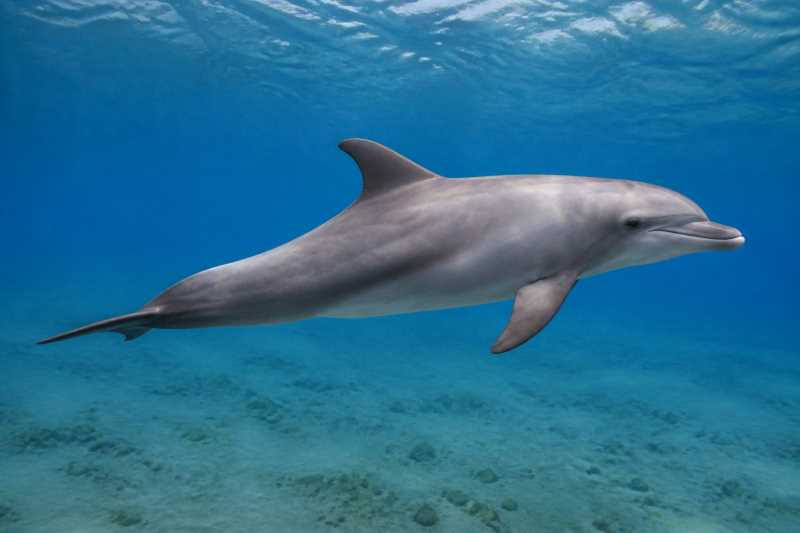
Indo-Pacific Bottlenose Dolphins are medium-sized cetaceans, typically measuring between 2 to 2.7 meters in length and weighing up to 230 kilograms. They exhibit a robust body with a pronounced dorsal fin that is slightly falcate. Their coloration is generally a darker gray on the dorsal side, fading to a lighter gray or white on the ventral side. One of the distinguishing features of Tursiops aduncus is the presence of spots on the underside, which become more prominent as the dolphins age.
Their heads are characterized by a well-defined beak and a slight crease demarcating the beak from the melon, which is used for echolocation. Indo-Pacific Bottlenose Dolphins have approximately 23 to 29 pairs of teeth in each jaw, which they use to grasp slippery prey.
Range and Habitat
The Indo-Pacific Bottlenose Dolphin is distributed throughout the tropical and subtropical regions of the Indian Ocean and the western Pacific Ocean. Their range extends from the east coast of Africa, along the shores of India, Southeast Asia, northern Australia, and up to the southern coast of Japan.
These dolphins prefer coastal habitats, often found in bays, estuaries, and around coral reefs. They are known to venture into deeper offshore waters, but typically stay within a depth of 200 meters. The availability of prey and suitable environmental conditions heavily influences their distribution.
Behavior and Diet
Indo-Pacific Bottlenose Dolphins are highly social animals, often seen in pods ranging from a few individuals to groups of over a hundred. Their social structure is fluid, with individuals moving between different pods. Such social systems facilitate cooperative hunting and protection from predators.
Their diet primarily consists of fish, squid, and crustaceans. They employ various foraging techniques, including herding, strand feeding, and mud ring feeding, to capture prey. Echolocation is a crucial tool for detecting prey in murky waters or during the night.
These dolphins are also known for their playful behavior, often seen riding waves, leaping out of the water, and engaging in acrobatic displays. Communication is vital to their social structure, utilizing a complex system of clicks, whistles, and body language to convey information.
Identification Tips (Field Recognition Cues)
Recognizing an Indo-Pacific Bottlenose Dolphin in the wild can be facilitated by a few key features:
- Size and Shape: Look for a medium-sized dolphin with a robust build and a well-defined beak.
- Coloration: Note the dark gray dorsal side fading to a lighter gray or white underside, often with distinctive spotting in adults.
- Dorsal Fin: A prominent, slightly falcate dorsal fin is a characteristic feature.
- Behavior: Observe the dolphin’s behavior; they are often seen in social groups and exhibit playful, acrobatic behavior.
Conservation Status (With Threats and Protections)
The Indo-Pacific Bottlenose Dolphin is currently listed as Near Threatened by the International Union for Conservation of Nature (IUCN). Several threats contribute to this status, including habitat degradation, pollution, entanglement in fishing gear, and direct hunting in some regions.
Coastal development and increased boat traffic pose significant threats to their habitats, leading to potential disruptions in their natural behaviors and increased risks of injury. Pollution, particularly from plastics and chemical runoff, impacts their health and the availability of prey.
Conservation efforts are underway to mitigate these threats. Protected areas, sustainable fishing practices, and pollution control measures are some of the strategies being implemented. Public awareness and education are also crucial to fostering a greater understanding of the importance of these dolphins to marine ecosystems.
Frequently Asked Questions
What is the difference between an Indo-Pacific Bottlenose Dolphin and a Common Bottlenose Dolphin?
The primary difference lies in their habitat and physical characteristics. The Indo-Pacific Bottlenose Dolphin typically has a more pronounced beak and distinct spotting on the underside, and they inhabit the Indian and western Pacific Oceans compared to the global distribution of the Common Bottlenose Dolphin.
How do Indo-Pacific Bottlenose Dolphins communicate?
These dolphins communicate using a variety of sounds, including clicks and whistles, as well as body language such as leaping and slapping their tails on the water surface. Echolocation is also used for navigation and hunting.
Are Indo-Pacific Bottlenose Dolphins endangered?
Currently, they are listed as Near Threatened. While not endangered, they face several threats that could impact their populations if not addressed.
What do Indo-Pacific Bottlenose Dolphins eat?
Their diet mainly consists of fish, squid, and crustaceans. They use various hunting techniques to capture their prey, often employing cooperative strategies.
How can I help in the conservation of Indo-Pacific Bottlenose Dolphins?
Supporting marine conservation initiatives, reducing plastic use, and advocating for sustainable fishing practices can help protect their habitats and ensure the survival of these dolphins.
Related posts