Introduction
The Northeastern Marsh Rice Rat (Oryzomys palustris) is a fascinating species of rodent belonging to the Cricetidae family. Known for its adaptability and unique features, this species inhabits marshy environments primarily in the eastern United States. It plays a crucial role in the ecosystem by participating in seed dispersal and serving as prey for numerous predators. As we delve into the life and characteristics of this intriguing mammal, we will explore its physical description, habitat, behavior, diet, and conservation status, providing a comprehensive guide to understanding the Northeastern Marsh Rice Rat.
Physical Description
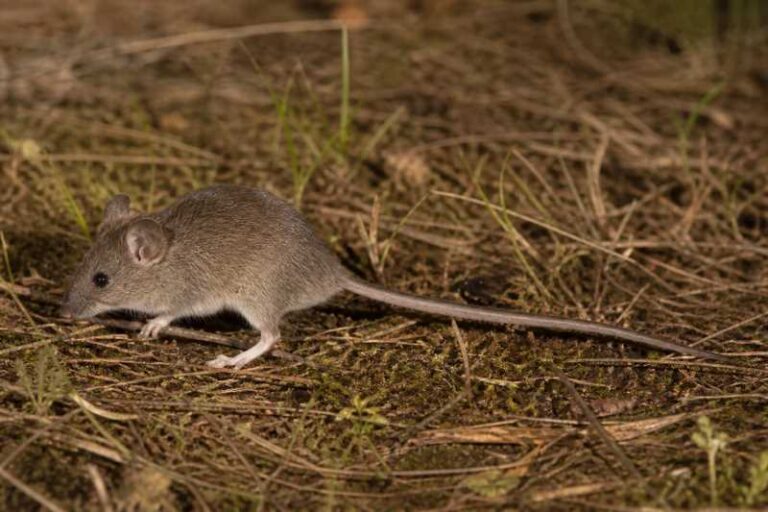
The Northeastern Marsh Rice Rat is a medium-sized rodent, typically measuring between 9 to 13 inches (23 to 33 cm) in total length, including its tail, which accounts for about half of its length. Its weight ranges from 40 to 80 grams, with males generally being larger than females.
The fur of the marsh rice rat is dense and soft, exhibiting a color gradient from brownish-gray on the dorsal side to a lighter gray or white on the ventral side. This coloration provides excellent camouflage in their natural habitat. Their tail is sparsely furred and slightly scaly, with a uniform dark color on the top and a lighter hue on the underside. The ears are small and rounded, assisting in concealing this rodent in its environment. Their eyes are also relatively small, adapted to their nocturnal lifestyle.
Range and Habitat
The Northeastern Marsh Rice Rat is predominantly found in the eastern regions of the United States, ranging from New Jersey to Florida and extending westward to Texas. This species favors coastal marshes, freshwater swamps, and other wetland habitats, where it can find ample food and shelter.
Marsh rice rats are highly adaptable and can thrive in various wetland environments, from saltwater marshes to inland swamps. They are often found in areas with dense vegetation, such as cattails, bulrushes, and reeds, which provide cover from predators and harsh weather conditions. These environments also support a rich biodiversity, offering an abundant supply of food resources.
Behavior and Diet
Northeastern Marsh Rice Rats are predominantly nocturnal, with peak activity occurring during twilight hours. They are solitary creatures, except during the breeding season, when they may be seen in pairs.
Their diet is omnivorous and highly varied, consisting primarily of seeds, grains, insects, and small aquatic animals. They are known to forage both on land and in water, displaying excellent swimming abilities. This dietary flexibility allows them to adapt to seasonal changes in food availability.
Marsh rice rats are proficient builders, constructing nests from grasses and plant material in elevated areas to avoid flooding. These nests serve as protection against predators and harsh weather, providing a safe environment for rearing young.
Identification Tips
Field recognition of the Northeastern Marsh Rice Rat can be achieved through a combination of physical and behavioral characteristics:
- Size and Shape: Note the medium size, with a total length of 9 to 13 inches, and a tail that is nearly as long as the body.
- Fur and Coloration: Look for the dense, brownish-gray fur on the back, transitioning to lighter gray or white on the belly.
- Tail: Observe the sparsely haired, slightly scaly tail, darker on top and lighter underneath.
- Habitat: Verify the presence of the species in suitable wetland habitats, such as marshes and swamps.
- Behavior: Identify nocturnal activity patterns and their swimming ability in water-rich environments.
Conservation Status
The conservation status of the Northeastern Marsh Rice Rat is currently classified as "Least Concern" by the International Union for Conservation of Nature (IUCN). However, certain populations are facing threats that could impact their long-term survival.
Threats
- Habitat Loss: Urban development and agricultural expansion are leading to the destruction and fragmentation of wetland habitats.
- Pollution: Contaminants from agricultural runoff and industrial waste pose a risk to the water quality and food sources within their habitat.
- Climate Change: Rising sea levels and altered weather patterns threaten coastal marshes, reducing the availability of suitable habitats.
Protections
Conservation efforts for the Northeastern Marsh Rice Rat include wetland preservation and restoration initiatives. Protecting wetlands through legislation and sustainable land-use practices is crucial to maintaining the habitats necessary for their survival. Additionally, monitoring programs are essential to assess population trends and address potential threats promptly.
Frequently Asked Questions
What is the best time to observe Northeastern Marsh Rice Rats in the wild?
The best time to observe Northeastern Marsh Rice Rats is during twilight hours, either at dawn or dusk, when they are most active. Their nocturnal nature makes them less visible during the day.
How do Northeastern Marsh Rice Rats contribute to the ecosystem?
Northeastern Marsh Rice Rats play a vital role in their ecosystem by participating in seed dispersal and serving as prey for a variety of predators, including birds of prey, snakes, and larger mammals.
What adaptations help the Northeastern Marsh Rice Rat survive in wetland habitats?
Adaptations such as excellent swimming ability, camouflage coloration, and nest-building skills help the Northeastern Marsh Rice Rat survive and thrive in wetland environments.
Are Northeastern Marsh Rice Rats dangerous to humans?
Northeastern Marsh Rice Rats are not dangerous to humans. They are shy, elusive creatures that generally avoid human contact. However, like all wild rodents, they can potentially carry diseases, so direct contact should be avoided.
How can I help conserve Northeastern Marsh Rice Rats and their habitats?
Supporting wetland conservation initiatives, advocating for sustainable land-use practices, and participating in local habitat restoration projects can all contribute to the conservation of Northeastern Marsh Rice Rats and their environments.
Related posts