Introduction
The Jalapan vole, scientifically known as Microtus quasiater, is a lesser-known but fascinating species of rodent that inhabits parts of Mexico. Despite its small size, the Jalapan vole plays a crucial role in its ecosystem, contributing to seed dispersal and providing a food source for various predators. This article delves into the various aspects of the Jalapan vole, from its physical characteristics and habitat to its behavior and conservation status.
Physical Description
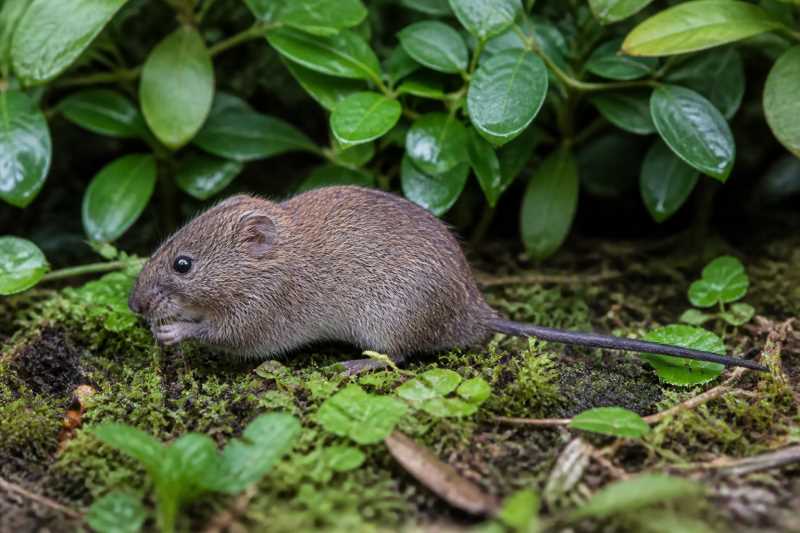
The Jalapan vole is a small mammal, typically measuring 12 to 17 centimeters in length, with a tail that is comparatively short, ranging from 4 to 6 centimeters. The species exhibits a dense, soft fur that is predominantly brownish-gray, with a paler underbelly. The fur provides excellent insulation, allowing the vole to maintain body temperature in cooler environments. Its robust body is complemented by small, rounded ears and eyes, which are adapted to its burrowing lifestyle. The Jalapan vole’s incisors are well-developed, aiding in the consumption of a variety of plant materials.
Range and Habitat
Microtus quasiater is endemic to the high-altitude regions of Mexico, particularly within the Sierra Madre Oriental. These voles are typically found in moist, montane forests and grasslands, where they can create complex burrow systems. The Jalapan vole thrives in areas with abundant ground cover, such as leaf litter and underbrush, which provide both food resources and protection from predators. Their habitat preferences make them dependent on specific environmental conditions, often leading to fragmented populations.
Behavior and Diet
Jalapan voles are primarily herbivorous, with a diet consisting mainly of grasses, seeds, and roots. They have also been known to consume fungi and small invertebrates, which are believed to provide essential nutrients. The species is mostly active during twilight and nighttime hours, engaging in foraging and other activities under the cover of darkness to avoid predators.
Socially, the Jalapan vole is relatively solitary, though overlapping territories may occur. These voles communicate through a series of vocalizations and scent markings to establish territory and deter intruders. Breeding occurs primarily in the warmer months, with females capable of producing multiple litters per year, each containing 3 to 8 young.
Identification Tips (Field Recognition Cues)
Identifying the Jalapan vole in the field requires careful observation of key characteristics:
- Size and Shape: Look for a small, stout-bodied rodent with a short tail.
- Fur Color: Note the brownish-gray fur with a lighter underbelly.
- Ears and Eyes: Observe the rounded ears and small eyes, typical of burrowing rodents.
- Habitat: Focus on moist, montane environments with dense ground cover.
- Behavior: Consider their crepuscular activity patterns and herbivorous diet.
Conservation Status (with Threats and Protections)
The conservation status of the Jalapan vole is currently listed as "Least Concern" by the International Union for Conservation of Nature (IUCN). However, the species faces several threats, primarily habitat loss due to deforestation and agricultural expansion. Climate change also poses a potential threat by altering the vole’s montane habitat.
Protection efforts focus on habitat conservation and restoration, ensuring that the voles have access to the resources necessary for survival. Conservationists advocate for sustainable land-use practices and the establishment of protected areas to safeguard the vole’s environment.
Frequently Asked Questions
What is the scientific name of the Jalapan vole?
The scientific name of the Jalapan vole is Microtus quasiater. This name is used universally to identify the species within the scientific community.
Where can I find Jalapan voles in the wild?
Jalapan voles are found in the high-altitude regions of Mexico, particularly within the Sierra Madre Oriental. They inhabit montane forests and grasslands with abundant ground cover.
What do Jalapan voles eat?
Jalapan voles primarily consume grasses, seeds, and roots, but they have also been known to eat fungi and small invertebrates for added nutrients.
Are Jalapan voles endangered?
Currently, the Jalapan vole is listed as "Least Concern" by the IUCN. However, habitat loss and climate change pose significant threats to their populations.
How do Jalapan voles communicate?
Jalapan voles communicate through vocalizations and scent markings. These methods help establish territories and deter potential intruders.
Related posts