Hazel Dormouse (Muscardinus avellanarius): A Comprehensive Guide
Introduction
The Hazel Dormouse, scientifically known as Muscardinus avellanarius, is a small nocturnal mammal native to Europe and parts of Asia. Known for its charming appearance and elusive nature, the Hazel Dormouse is an important species in its ecosystems due to its role in seed dispersal and as a prey item for various predators. Despite its significance, the Hazel Dormouse faces numerous threats that have led to its decline in certain areas, making conservation efforts crucial.
Physical Description
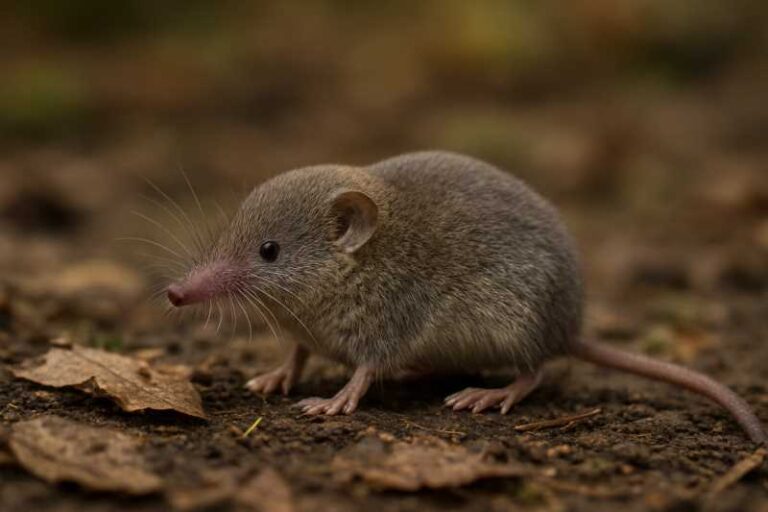
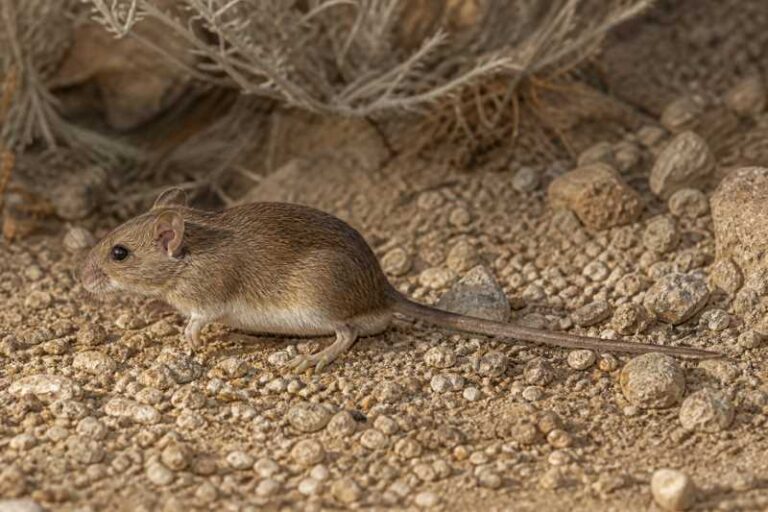
The Hazel Dormouse is a small rodent, typically measuring between 6 and 9 centimeters in body length with a tail that adds another 5.7 to 7.5 centimeters. This species is easily recognized by its soft, golden-brown fur and large, black eyes, which contribute to its endearing appearance. Its fur is dense and soft, providing warmth during colder months. The tail is bushy, resembling that of a squirrel, which aids in balance and agility among trees.
Their ears are small and rounded, and their whiskers are long, enhancing their sensory perception. The Hazel Dormouse has strong, sharp claws that facilitate climbing, an essential skill given its arboreal lifestyle. These physical characteristics are perfectly adapted to its environment, allowing the dormouse to navigate through its forest habitat with ease.
Range and Habitat
The Hazel Dormouse is predominantly found across Europe, with its range stretching from Britain in the west to Russia in the east, and from Scandinavia in the north to Italy in the south. The species prefers deciduous woodlands, particularly those with a dense understory of shrubs and small trees, which provide both food and cover.
Hazel Dormice are arboreal, spending most of their lives in the trees. They favor environments rich in hazel, oak, and honeysuckle, which offer both sustenance and nesting opportunities. In addition to woodlands, they can also inhabit hedgerows, dense scrub, and forest edges, provided there is sufficient food and shelter.
Behavior and Diet
The Hazel Dormouse is primarily nocturnal, spending its nights foraging for food. Its diet is varied and changes with the seasons, consisting of flowers, fruits, nuts, and insects. In spring, dormice feed on flowers and pollen, while in summer and autumn, they consume fruits and nuts, particularly hazelnuts, acorns, and berries. Insects and caterpillars provide a protein-rich supplement to their diet.
Dormice are known for their hibernation behavior, typically entering a state of torpor from October to April. During this period, they hibernate in nests built on the ground, beneath leaf litter or in tree cavities. This hibernation is a survival strategy to cope with the scarcity of food during the colder months.
Socially, Hazel Dormice are solitary creatures, coming together only during the breeding season. Females typically give birth to one or two litters per year, with each litter consisting of four to five young. The young are weaned after about four weeks and become independent shortly thereafter.
Identification Tips
Identifying the Hazel Dormouse in the field requires careful observation. Here are some key identification tips:
- Appearance: Look for the golden-brown fur and bushy tail, which are distinctive features of the Hazel Dormouse. Their large, black eyes are particularly noticeable.
- Habitat: Search in deciduous woodlands with a dense understory, particularly in areas with hazel, oak, and honeysuckle.
- Behavior: Since they are nocturnal, spotting a Hazel Dormouse during the day is rare. Look for them at dusk or dawn when they are most active.
- Nesting: Dormice often build nests in dense foliage or use abandoned bird nests. Look for small, spherical nests made of grasses and leaves.
- Feeding Signs: Evidence of dormice can also be found by looking for gnawed hazelnuts. A dormouse will leave a smooth, round hole in the shell with tooth marks around the edge.
Conservation Status
The Hazel Dormouse is listed as a species of least concern on the IUCN Red List, but local populations are in decline, particularly in the UK and other parts of Europe. Habitat loss, fragmentation, and changes in land use are significant threats to their survival.
The reduction of traditional coppicing in woodlands has led to a decline in suitable habitats. Furthermore, the conversion of woodlands to farmland and urban areas has fragmented their habitats, isolating populations and reducing genetic diversity.
Conservation efforts are underway to protect the Hazel Dormouse. These include habitat restoration and management, such as reintroducing coppicing and planting hedgerows to connect fragmented habitats. Legal protection is also in place in many countries, prohibiting the capture or disturbance of dormice or their habitats.
Frequently Asked Questions
What is the lifespan of a Hazel Dormouse?
Hazel Dormice typically live for about 3 to 5 years in the wild, although some individuals may live longer under optimal conditions. Their lifespan can be affected by factors such as predation, food availability, and habitat quality.
How can you tell a Hazel Dormouse has been in the area?
One of the best indicators of a Hazel Dormouse’s presence is gnawed hazelnuts. They create a smooth, round hole in the shell, unlike other rodents. Additionally, look for their nests, which are usually small and spherical, made of woven grass and leaves.
When is the best time to observe Hazel Dormice?
The best time to observe Hazel Dormice is during the late evening or early morning hours. Being nocturnal, they are most active during these times. Observing them requires patience and a quiet approach to avoid disturbing them.
What do Hazel Dormice eat?
Hazel Dormice have a diverse diet that includes flowers, pollen, fruits, nuts, and insects. Their diet changes with the seasons, relying on available resources such as hazelnuts, acorns, and berries in the autumn.
Are Hazel Dormice endangered?
While the Hazel Dormouse is not currently classified as endangered globally, local populations are declining due to habitat loss and fragmentation. Conservation efforts focus on habitat restoration and legal protection to support their survival.
Related posts