The Manchurian Bush Warbler: A Subtle Songbird of the East
The Manchurian Bush Warbler (Horornis canturians) is a small yet captivating songbird that has intrigued ornithologists and bird enthusiasts alike. This avian species belongs to the Cettiidae family and is known for its elusive behavior and melodious calls. Found predominantly in the East Asian region, the Manchurian Bush Warbler is a prime example of nature’s understated beauty, thriving in dense undergrowth and bamboo thickets.
**Taxonomy and Identification**
The Horornis canturians was first described in the 19th century and has since been a subject of interest due to its distinct vocalizations and subtle plumage. The species name “canturians” is derived from Latin, alluding to its singing capabilities. It is medium-sized for a bush warbler, measuring approximately 13-15 cm in length with a wingspan of around 18-20 cm.
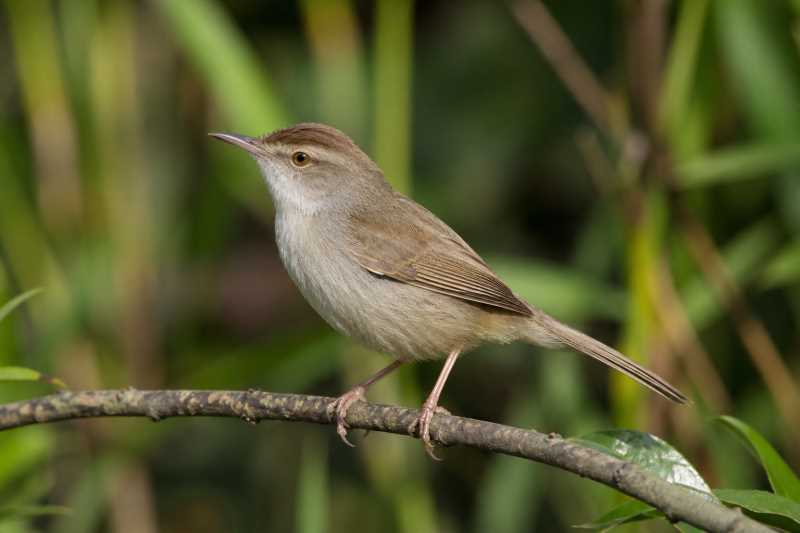
In terms of appearance, the Manchurian Bush Warbler is predominantly olive-brown with a paler underbelly. Its plumage blends seamlessly with its habitat, providing effective camouflage against predators. The bird has a fairly long tail and a straight, pointed bill, which is typical of insectivorous birds. Juvenile birds are usually slightly duller than adults, lacking the brighter tones seen in full maturity.
**Habitat and Distribution**
This warbler is primarily found in the temperate regions of East Asia, including parts of China, Korea, and Japan. Its preferred habitats are dense forests, scrublands, and areas with thick bamboo growth. The Manchurian Bush Warbler is a non-migratory bird, although some populations may exhibit short-distance movements in response to seasonal changes.
The choice of habitat is largely influenced by the availability of food and suitable nesting sites. The bird thrives in areas where it can easily forage for insects and arthropods, which constitute the bulk of its diet. Its elusive nature and preference for dense cover often make it a challenge to spot, adding an element of mystery to this already enigmatic species.
**Behavior and Ecology**
The Manchurian Bush Warbler is primarily insectivorous, feeding on a variety of small insects and arthropods. It forages mostly in the undergrowth, using its keen eyesight and agile movements to capture prey. Despite its small size, the warbler exhibits a remarkable level of adaptability in its foraging habits.
One of the most notable aspects of this bird is its vocalization. The male Manchurian Bush Warbler is known for its distinctive and melodious song, which it uses to establish territory and attract mates. The song is a series of clear, plaintive notes that carry well through the dense foliage of its habitat.
Breeding occurs in the spring and early summer, with nests typically constructed close to the ground in dense vegetation. The female lays a clutch of 3-5 eggs, which are incubated for about two weeks. Both parents share the responsibility of feeding the chicks, which fledge approximately two weeks after hatching.
**Conservation Status and Threats**
As of the latest assessments, the Manchurian Bush Warbler is not considered to be at risk of extinction and is classified as Least Concern by the International Union for Conservation of Nature (IUCN). However, like many bird species, it faces threats from habitat destruction due to deforestation and land-use changes.
In some regions, particularly in more densely populated areas, the conversion of natural landscapes into agricultural or urban areas poses significant challenges. Conservation efforts are crucial to maintaining the natural habitats of the Manchurian Bush Warbler, ensuring that these birds continue to thrive in their native environment.
**Role in Culture and Ecosystems**
In East Asian culture, the Manchurian Bush Warbler is often associated with the arrival of spring. Its melodious song is seen as a harbinger of warmer weather and new beginnings. This cultural significance underscores the importance of preserving the species and its habitats.
Ecologically, the Manchurian Bush Warbler plays a vital role in controlling insect populations, thereby contributing to the balance of its ecosystem. As a part of the intricate web of life within its habitat, the warbler’s presence is indicative of healthy, functioning ecosystems.
**Conclusion**
The Manchurian Bush Warbler, with its elusive nature and enchanting song, remains a symbol of the beauty and complexity of the natural world. As we continue to study and appreciate this remarkable bird, it is imperative that we also take steps to protect its habitat and ensure that future generations can experience the wonder of hearing its song in the wild.
With ongoing conservation efforts and increased awareness, the Manchurian Bush Warbler will hopefully continue to sing its melodious tune across the forests of East Asia, a reminder of the delicate balance of nature and our responsibility to preserve it.
Related posts