Introduction
The Fringed Myotis, scientifically known as Myotis thysanodes, is a fascinating bat species that piques the curiosity of bat enthusiasts and researchers alike. This bat, part of the Vespertilionidae family, is notable for its distinctive features and adaptable lifestyle. Fringed Myotis bats are primarily found in North America, where they play a crucial role in maintaining the ecological balance by controlling insect populations. In this comprehensive article, we will delve into the various aspects of the Fringed Myotis, including its physical description, range and habitat, behavior and diet, identification tips, and conservation status.
Physical Description
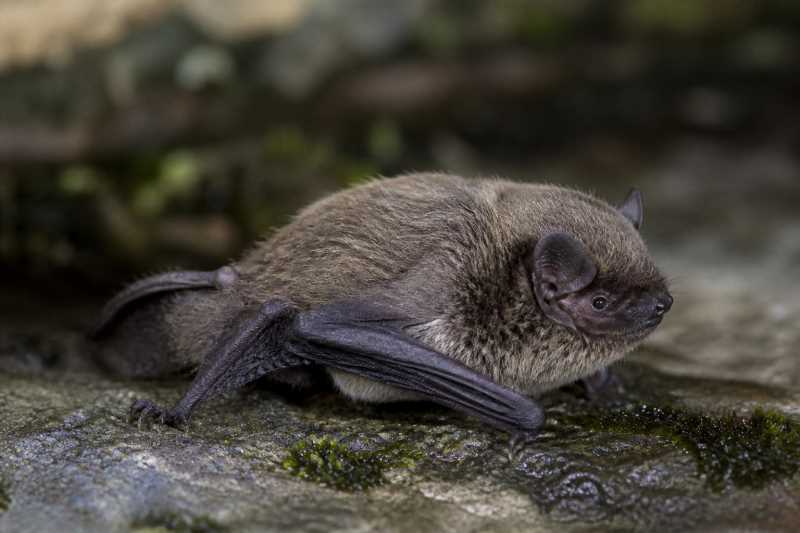
The Fringed Myotis is a medium-sized bat characterized by its unique fringe of stiff hairs along the trailing edge of its tail membrane. This feature, from which it derives its name, sets it apart from other Myotis species. The bat has a wingspan ranging from 25 to 30 centimeters (10 to 12 inches) and weighs between 5 to 8 grams (0.2 to 0.3 ounces).
The bat’s fur is typically a rich brown or grayish-brown, providing an effective camouflage against tree bark and rocky surfaces. Its underparts are lighter, often with a yellowish or pinkish hue. The ears are long and pointed, extending beyond the nose when laid forward. The Fringed Myotis also has a relatively long forearm, measuring approximately 3.7 to 4.2 centimeters (1.4 to 1.6 inches), which aids in its agile flying abilities.
Range and Habitat
The Fringed Myotis is predominantly found throughout the western United States, extending into parts of Canada and Mexico. Its range includes diverse ecosystems, such as deserts, forests, and scrublands. These bats are highly adaptable and can thrive in a variety of habitats, from lowland deserts to montane forests.
Preferred roosting sites for the Fringed Myotis include caves, mines, and buildings, where they can find shelter from predators and extreme weather. They are also known to roost under the bark of trees and in rock crevices. During the warmer months, females often form maternity colonies in warmer, more stable environments to raise their young, while males tend to roost singly or in small groups.
Behavior and Diet
Fringed Myotis bats are nocturnal creatures, emerging at dusk to hunt for food. They are insectivorous, with a diet primarily consisting of moths, beetles, and other flying insects. The bats use echolocation to locate their prey, emitting high-frequency sounds that bounce back from objects, allowing them to detect the size, shape, and distance of potential meals.
These bats are known for their agile flight patterns, which enable them to catch insects mid-air with impressive precision. They often forage over water bodies, where insect concentrations are higher. During the day, they rest in their roosts, conserving energy for their nightly foraging activities.
Identification Tips
For those interested in identifying the Fringed Myotis in the field, several key features can aid in recognition:
- Fringed Tail Membrane: Look for the distinctive fringe of stiff hairs along the trailing edge of the tail membrane.
- Ear Shape and Size: The long, pointed ears are a notable characteristic, extending beyond the nose when laid forward.
- Fur Color: The brown or grayish-brown fur, with lighter underparts, helps distinguish it from other Myotis species.
- Flight Patterns: Observe the bat’s agile and rapid flight, often over water bodies or open areas.
- Roosting Habits: Fringed Myotis bats often roost in caves, mines, and under tree bark, which can provide clues to their presence.
Conservation Status
The Fringed Myotis is currently listed as a species of Least Concern by the International Union for Conservation of Nature (IUCN). However, it faces several threats that could impact its populations in the future. Habitat destruction, particularly the loss of roosting sites due to human activities such as mining and deforestation, poses a significant risk.
Additionally, the spread of White-nose Syndrome, a fungal disease that has devastated bat populations across North America, is a growing concern. Although primarily affecting hibernating bats, the potential spread to Fringed Myotis populations cannot be overlooked.
Conservation efforts are focused on protecting roosting habitats and monitoring populations to detect early signs of decline. Public education and awareness campaigns are also essential to reducing human disturbances and promoting coexistence with these beneficial creatures.
Frequently Asked Questions
What is the average lifespan of a Fringed Myotis?
Fringed Myotis bats typically live for around 10 to 15 years in the wild, although some individuals may live longer under favorable conditions.
How do Fringed Myotis bats contribute to the ecosystem?
These bats play a vital role in controlling insect populations, particularly agricultural pests, thus benefiting both natural ecosystems and human agriculture.
Are Fringed Myotis bats social animals?
Fringed Myotis bats exhibit both solitary and social behaviors. Females often form maternity colonies during the breeding season, while males may roost alone or in small groups.
What time of year are Fringed Myotis bats most active?
Fringed Myotis bats are most active during the warmer months when insect prey is abundant. They typically hibernate or migrate to warmer areas during the winter.
How can I help protect Fringed Myotis populations?
Supporting conservation efforts, reducing disturbances to roosting sites, and spreading awareness about the ecological importance of bats can contribute to the protection of Fringed Myotis populations.
Related posts