Introduction
The Hairy Slit-faced Bat, scientifically known as Nycteris hispida, is an intriguing species of bat within the family Nycteridae. This bat has captivated researchers and bat enthusiasts alike due to its unique physical characteristics and behaviors. Found predominantly in sub-Saharan Africa, the Hairy Slit-faced Bat plays a crucial role in its ecosystem, acting as both a predator and prey. This article delves into the various aspects of this fascinating species, offering insights into its physical description, range, habitat, behavior, diet, and conservation status. We’ll also provide tips for identifying this bat in the wild and address some frequently asked questions about the species.
Physical Description
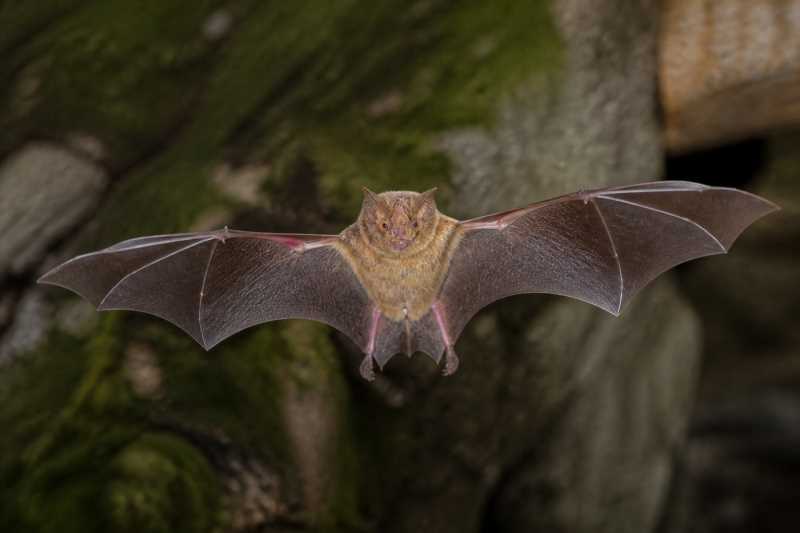
The Hairy Slit-faced Bat is a small species, with an average body length ranging from 4.5 to 6.0 centimeters and a wingspan of approximately 25 to 30 centimeters. Its weight typically falls between 10 to 20 grams. One of the most distinctive features of this bat is its "slit-faced" appearance, attributed to a deep groove running down the center of its face. This groove is believed to aid in echolocation, a critical aspect of its hunting strategy.
The fur of the Hairy Slit-faced Bat is generally long and shaggy, with coloration that varies from reddish-brown to a more muted gray, providing effective camouflage against tree bark and other natural surfaces in its habitat. The ears are large and rounded, enhancing the bat’s ability to detect sound waves. Additionally, its tail is relatively short, a common trait among bats in the Nycteridae family.
Range and Habitat
The Hairy Slit-faced Bat is predominantly found across sub-Saharan Africa, with a range that extends from Senegal and the Gambia in the west to Ethiopia and Tanzania in the east, and as far south as Angola and Zambia. This species thrives in a variety of habitats, including dense tropical forests, savannas, and even agricultural areas where trees and vegetation offer roosting opportunities.
These bats are often located near water sources, such as rivers and wetlands, which support a rich diversity of insect prey. They roost in tree hollows, caves, and sometimes in man-made structures, preferring locations that provide shelter from predators and harsh weather conditions.
Behavior and Diet
The Hairy Slit-faced Bat is primarily nocturnal, emerging at dusk to forage for food. Its diet mainly consists of insects, including moths, beetles, and flies, which it captures mid-flight using its echolocation abilities. The bat’s echolocation calls are adapted to detect prey in cluttered environments, allowing it to hunt effectively even in dense foliage.
Socially, these bats exhibit both solitary and colonial behaviors. Some individuals prefer to roost alone, while others form small colonies, especially during the breeding season. Mating typically occurs during the dry season, with females giving birth to a single pup after a gestation period of approximately three months.
Identification Tips (field recognition cues)
Identifying the Hairy Slit-faced Bat in the wild requires attention to several key characteristics:
- Facial Groove: Look for the distinctive groove down the center of the face, which is a hallmark of the species.
- Fur Texture and Color: Note the long, shaggy fur that ranges from reddish-brown to gray, aiding in camouflage.
- Ear Size and Shape: Large, rounded ears are prominent and help in sound detection.
- Size and Weight: A small bat with a body length of 4.5 to 6.0 cm and a wingspan of 25 to 30 cm.
Conservation Status (with threats and protections)
The Hairy Slit-faced Bat is currently listed as "Least Concern" by the International Union for Conservation of Nature (IUCN). However, like many bat species, it faces threats from habitat destruction, primarily due to deforestation and agricultural expansion. Additionally, pesticide use can reduce insect populations, impacting the bat’s food supply.
Conservation efforts are focused on preserving natural habitats and promoting sustainable land-use practices. In some regions, local conservation programs are raising awareness about the ecological importance of bats and implementing measures to protect roosting sites.
Frequently Asked Questions
1. What is the primary diet of the Hairy Slit-faced Bat?
The Hairy Slit-faced Bat primarily feeds on insects, including moths, beetles, and flies. It uses echolocation to detect and capture prey during nocturnal foraging.
2. Where can I find the Hairy Slit-faced Bat?
This bat is found across sub-Saharan Africa, in habitats such as tropical forests, savannas, and agricultural areas. Look near water sources and tree hollows for roosting sites.
3. How does the Hairy Slit-faced Bat use echolocation?
The bat emits high-frequency sound waves that bounce off objects and return as echoes, allowing it to navigate and locate prey even in dense environments.
4. Are Hairy Slit-faced Bats threatened?
While currently listed as "Least Concern," the species faces threats from habitat destruction and pesticide use, which can impact food availability and roosting sites.
5. How can I help in the conservation of the Hairy Slit-faced Bat?
Supporting conservation programs that focus on habitat protection and promoting awareness about the ecological role of bats can aid in the conservation of this species.
Related posts