Introduction
Mirza’s Western Moss Rat, scientifically known as Mirzamys louiseae, is a lesser-known mammal species that inhabits the dense moss forests of the Western Highlands. This elusive rodent has piqued the interest of biologists and conservationists due to its unique adaptations and the role it plays in its native ecosystem. As a member of the Muridae family, Mirzamys louiseae is closely related to other species of rats, yet it stands out due to its distinctive habitat preferences and physical characteristics. This article aims to provide an in-depth look at the Mirza’s Western Moss Rat, covering its physical description, habitat, behavior, and conservation status.
Physical Description
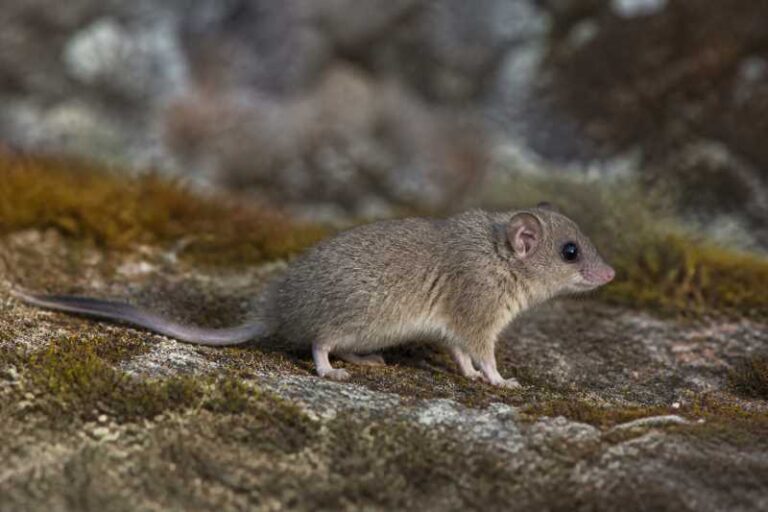
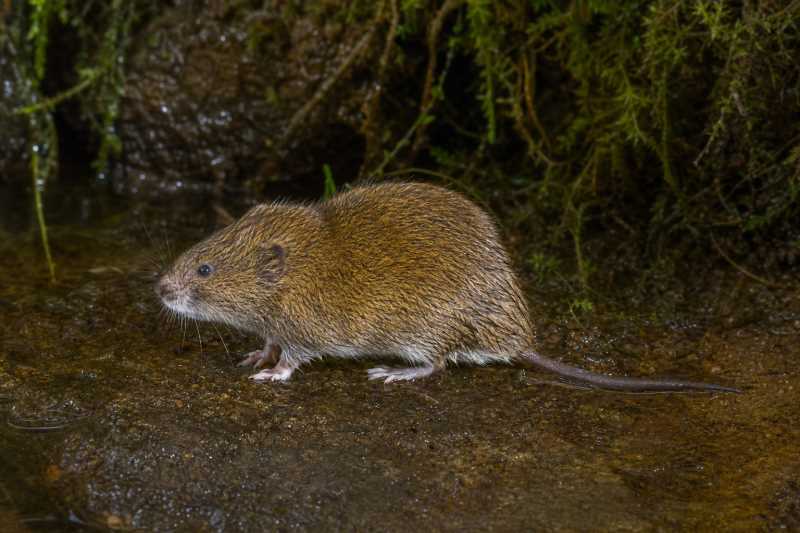
The Mirza’s Western Moss Rat is a small rodent with a body length ranging from 12 to 15 centimeters, not including its tail, which adds an additional 10 to 12 centimeters. Its fur is a dense, short coat of grayish-brown, providing effective camouflage against the mossy forest floor. The underbelly is typically a lighter gray, sometimes with a faint yellowish tint. This species has large, round ears and small eyes that are adapted to low-light environments.
One of the most distinctive features of Mirzamys louiseae is its broad, flat feet, which are well-suited for gripping moss-covered surfaces. Its claws are sharp, aiding in climbing and foraging. The tail, although long, is not prehensile, but it serves as an essential tool for balance when navigating the complex forest terrain.
Range and Habitat
Mirzamys louiseae is endemic to the Western Highlands, with a range restricted to altitudes between 1,500 and 3,000 meters above sea level. This species thrives in mossy forests, where the ground is perpetually covered in a thick layer of moss and fallen leaves. The high humidity and consistent cool temperatures of this region provide an ideal environment for the moss rat.
These forests are characterized by a dense canopy that limits sunlight penetration, resulting in a unique ecosystem that supports a variety of mosses, ferns, and other epiphytes. The Mirza’s Western Moss Rat plays a crucial role in this ecosystem, contributing to seed dispersion and soil aeration.
Behavior and Diet
Mirza’s Western Moss Rat is primarily nocturnal, spending its nights foraging for food and its days resting in burrows or nests made from moss and leaf litter. Its diet consists mainly of seeds, fruits, and small invertebrates, which it finds by carefully navigating the forest floor. The rat’s keen sense of smell helps it locate food in the dark, and its strong incisors are well-suited for cracking open hard seed shells.
Socially, Mirzamys louiseae is relatively solitary, with individuals maintaining exclusive territories. However, during the breeding season, males may venture into the territories of females to mate. Breeding typically occurs during the wetter months, with litters averaging three to five offspring.
Identification Tips
Identifying the Mirza’s Western Moss Rat in the wild can be challenging due to its elusive nature and camouflaged appearance. However, certain field recognition cues can aid in identification:
- Fur Coloration: Look for the characteristic grayish-brown fur and lighter underbelly.
- Foot Structure: Note the broad, flat feet which are uncommon among other rodents in the region.
- Behavior: Observe nocturnal activity patterns and solitary behavior.
- Habitat: Confirm the presence of moss-covered forest floors and high altitudes typical of its habitat.
Conservation Status
The International Union for Conservation of Nature (IUCN) currently classifies Mirzamys louiseae as a species of least concern, but its population is believed to be declining. The primary threats to its survival are habitat destruction due to logging and agricultural expansion. Additionally, climate change poses a long-term threat by altering the delicate balance of its high-altitude ecosystem.
Conservation efforts for the Mirza’s Western Moss Rat include habitat protection and the establishment of nature reserves. Research initiatives are also underway to better understand its ecology and population dynamics, which can inform future conservation strategies.
Frequently Asked Questions
What is the primary habitat of Mirza’s Western Moss Rat?
Mirza’s Western Moss Rat primarily inhabits the mossy forests of the Western Highlands, at altitudes of 1,500 to 3,000 meters.
How does Mirza’s Western Moss Rat adapt to its environment?
This species adapts to its environment with camouflaged fur, broad feet for mossy surfaces, and nocturnal habits that help avoid predators.
Is Mirza’s Western Moss Rat endangered?
Currently, Mirzamys louiseae is not endangered, but its population is declining due to habitat destruction and climate change.
What does Mirza’s Western Moss Rat eat?
Its diet consists of seeds, fruits, and small invertebrates, which it forages for at night.
How can Mirza’s Western Moss Rat be identified in the wild?
Identification can be based on its unique fur coloration, foot structure, nocturnal behavior, and specific habitat preferences.
Related posts