Introduction
Theobald’s Tomb Bat, scientifically known as Taphozous theobaldi, is a fascinating species belonging to the family Emballonuridae. This nocturnal mammal is an integral part of the ecosystem, contributing significantly to insect population control. Despite its importance, it remains one of the lesser-known bat species, often overshadowed by its more famous relatives. This article delves into the various facets of Theobald’s Tomb Bat, providing a comprehensive overview of its physical characteristics, habitat, behavior, and conservation status.
Physical Description
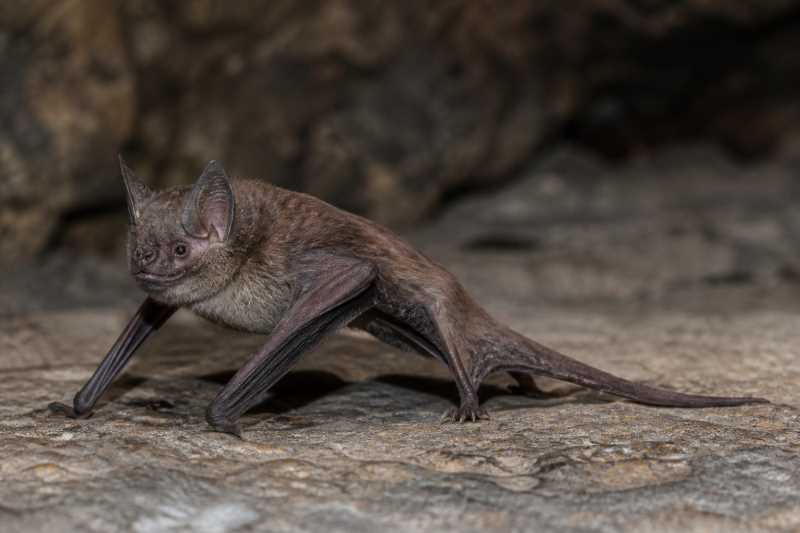
Theobald’s Tomb Bat exhibits a unique set of physical characteristics that distinguish it from other bat species. It is a medium-sized bat, with a wingspan ranging from 30 to 35 centimeters and a body length of approximately 9 to 10 centimeters. The bat weighs between 20 to 30 grams, making it lightweight and agile in flight.
The fur of Theobald’s Tomb Bat is predominantly greyish-brown, with a paler underside, providing effective camouflage against tree bark and rocky surfaces. Its wings are long and narrow, adapted for rapid and maneuverable flight. One of the most distinctive features of this species is its broad muzzle, which houses large nostrils that aid in echolocation—a crucial ability for navigating and hunting in the dark.
The eyes of Theobald’s Tomb Bat are relatively small, but they possess excellent vision adapted for low-light conditions. The ears are moderately sized and rounded, contributing to their acute sense of hearing, essential for detecting prey and avoiding predators.
Range and Habitat
Theobald’s Tomb Bat is primarily found across South Asia, with populations distributed in countries such as India, Bangladesh, Myanmar, and parts of Southeast Asia. It thrives in various habitats, including dry deciduous forests, open woodlands, and urban areas, demonstrating remarkable adaptability.
This bat species is often associated with roosting sites in caves, old buildings, and tombs, which provide the necessary shelter and protection during daylight hours. The presence of Theobald’s Tomb Bat in urban areas highlights its ability to coexist alongside human habitation, often roosting in attics or abandoned structures.
Behavior and Diet
Theobald’s Tomb Bat is a nocturnal insectivore, primarily feeding on a diet of moths, beetles, and other flying insects. Its echolocation abilities are finely tuned to detect the faintest movements of prey, allowing it to hunt efficiently even in complete darkness.
Social behavior in Theobald’s Tomb Bat is characterized by small colony formations. These colonies can range from a few individuals to several dozen bats, depending on the availability of roosting sites and food resources. Communication within the colony is facilitated through a series of vocalizations and echolocation clicks, which help maintain group cohesion and coordinate foraging activities.
The bat’s activity peaks during the early evening and pre-dawn hours when insect activity is at its highest. It employs a swift, agile flight pattern, often skimming close to the ground or water surfaces to capture prey.
Identification Tips (field recognition cues)
Identifying Theobald’s Tomb Bat in the field requires careful observation of specific features. The following tips can aid in accurate identification:
- Wingspan and Flight Pattern: Look for a medium-sized bat with a wingspan of about 30 to 35 centimeters. The flight pattern is typically swift and erratic, adapted for catching insects mid-flight.
- Coloration: Note the greyish-brown fur with a paler underside. This coloration provides camouflage against natural and man-made surfaces.
- Habitat: Theobald’s Tomb Bat is often found roosting in old buildings, caves, and tombs. Observing bats entering or exiting such structures at dusk can be a strong indicator.
- Vocalizations: Listen for echolocation clicks and social calls during foraging hours, which can help differentiate it from other bat species.
- Facial Features: The broad muzzle and large nostrils are distinguishing features that can be observed up close or with the aid of binoculars.
Conservation Status (with threats and protections)
The conservation status of Theobald’s Tomb Bat is currently listed as "Least Concern" by the International Union for Conservation of Nature (IUCN). However, like many bat species, it faces several threats that could impact its population in the future.
Threats
- Habitat Destruction: Urbanization and deforestation pose significant threats to the natural habitats of Theobald’s Tomb Bat. The destruction of roosting sites and foraging grounds can lead to population declines.
- Disturbance: Human disturbance, particularly in roosting sites such as caves and old buildings, can disrupt colonies and affect reproductive success.
- Pesticides: The use of pesticides in agriculture can reduce insect prey availability and lead to secondary poisoning of bats.
Protections
Efforts to conserve Theobald’s Tomb Bat include:
- Habitat Preservation: Protecting and restoring natural habitats is crucial for the survival of this species. Conservation areas and protected reserves play a vital role in safeguarding roosting sites.
- Public Awareness: Educating communities about the ecological importance of bats and the threats they face can foster coexistence and reduce human-wildlife conflict.
- Research and Monitoring: Conducting research on population trends and habitat use can inform conservation strategies and policy decisions.
Frequently Asked Questions
What is the primary diet of Theobald’s Tomb Bat?
Theobald’s Tomb Bat primarily feeds on a variety of flying insects, including moths and beetles. Its diet is facilitated by its highly developed echolocation abilities, allowing it to hunt efficiently at night.
Where can Theobald’s Tomb Bat be found?
This species is distributed across South Asia, particularly in countries like India, Bangladesh, and Myanmar. It inhabits dry deciduous forests, open woodlands, and urban areas, often roosting in caves and old buildings.
How does Theobald’s Tomb Bat communicate?
Communication within Theobald’s Tomb Bat colonies is achieved through vocalizations and echolocation clicks. These sounds help maintain group cohesion and coordinate foraging activities.
What are the main threats to Theobald’s Tomb Bat?
Theobald’s Tomb Bat faces threats from habitat destruction, human disturbance, and pesticide use. Urbanization and deforestation can lead to the loss of roosting and foraging sites.
How can Theobald’s Tomb Bat be identified?
Field identification of Theobald’s Tomb Bat involves observing its medium size, greyish-brown coloration, broad muzzle, and its habitat preferences. Listening for echolocation clicks can also aid in identification.
Related posts