Introduction
The Gray-headed Giant Flying Squirrel (Petaurista caniceps) is a fascinating mammalian species belonging to the family Sciuridae. Among the impressive diversity of flying squirrels, this species stands out due to its remarkable adaptations for gliding and its distinctive physical characteristics. Found primarily in the forests of Southeast Asia, the Gray-headed Giant Flying Squirrel plays a crucial role in its ecosystem as both a seed disperser and a prey species for larger predators. This article delves into the various aspects of the Gray-headed Giant Flying Squirrel, from its physical description to its conservation status, providing a comprehensive overview of this extraordinary mammal.
Physical Description
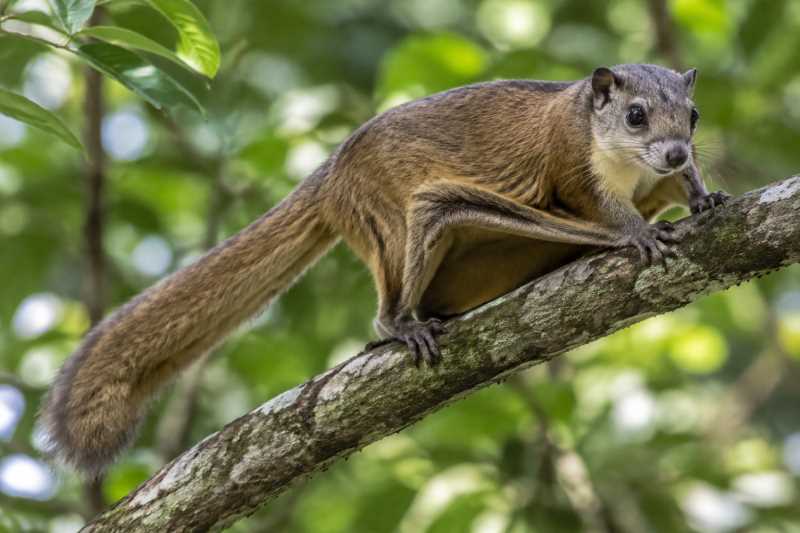
Petaurista caniceps is known for its large size compared to other flying squirrels, with adults typically measuring between 40 to 60 centimeters in body length, not including the tail which can add an additional 50 centimeters. This species is characterized by its grayish head, which contrasts with its reddish-brown body fur. The fur is dense and soft, providing insulation and aiding in camouflage among the forest canopy.
One of the most distinctive features of the Gray-headed Giant Flying Squirrel is its patagium, a membrane that extends from its wrists to its ankles. This adaptation allows it to glide between trees with remarkable agility and precision. The squirrel’s tail is bushy and serves as a rudder during gliding, enabling it to maneuver and control its flight path effectively.
The eyes of the Gray-headed Giant Flying Squirrel are large and adapted for nocturnal activity, providing excellent vision in low-light conditions. This, combined with its keen sense of hearing, makes it a proficient navigator of the night skies.
Range and Habitat
The Gray-headed Giant Flying Squirrel is native to the forests of Southeast Asia, with its range extending across parts of China, Taiwan, and the northern regions of Vietnam. It thrives in subtropical and tropical forest environments, where tall trees provide the necessary vertical space for gliding.
This species is arboreal, spending most of its life in the forest canopy. It prefers primary forests but can also be found in secondary forests and plantations, provided there is sufficient tree cover and food availability. The presence of large trees is crucial for its habitat, as they offer both nesting sites and launch points for gliding.
Behavior and Diet
Primarily nocturnal, the Gray-headed Giant Flying Squirrel is most active during the night. It spends the daylight hours resting in tree hollows or leaf nests, which it constructs high in the canopy. These nests are essential for shelter and protection from predators.
The diet of Petaurista caniceps is predominantly herbivorous, consisting mainly of leaves, fruits, and seeds. Occasionally, it may consume insects or small bird eggs. Its feeding habits play a vital role in forest ecology, particularly in seed dispersal, which aids in forest regeneration and plant diversity.
During the night, the squirrel forages for food, using its gliding ability to travel between feeding sites. Its nocturnal lifestyle reduces competition with diurnal species and decreases the risk of predation.
Identification Tips (Field Recognition Cues)
Identifying the Gray-headed Giant Flying Squirrel in the wild requires keen observation and knowledge of its unique features. Here are some tips to help recognize this species:
- Size and Coloration: Look for a large squirrel with a gray head and reddish-brown body. The contrast in color is a key identifying feature.
- Gliding Behavior: Observe any large squirrels gliding from tree to tree. The presence of a patagium is indicative of flying squirrels.
- Nocturnal Activity: Spotting this species is more likely at night, so consider using night vision equipment.
- Habitat Preference: Focus on areas with dense tree cover, especially in primary and secondary forests.
Conservation Status (With Threats and Protections)
The Gray-headed Giant Flying Squirrel is currently classified as "Least Concern" by the IUCN Red List, suggesting that it is not at immediate risk of extinction. However, this does not mean it faces no threats. Habitat loss due to deforestation and land conversion for agriculture poses significant challenges to its survival. Additionally, hunting for bushmeat and the pet trade contributes to population declines in certain regions.
Conservation efforts are crucial to ensure the long-term survival of this species. Protected areas and national parks within its range offer some refuge, but more targeted conservation measures are needed. Sustainable forestry practices and habitat restoration projects can help mitigate the impact of deforestation, while education and awareness campaigns can reduce hunting pressures.
Frequently Asked Questions
Why is this species unique?
The Gray-headed Giant Flying Squirrel is unique due to its large size and impressive gliding capabilities. Its ability to glide long distances using its patagium is a remarkable adaptation that sets it apart from other squirrels. Additionally, its role in seed dispersal highlights its ecological importance.
What is the lifespan of the Gray-headed Giant Flying Squirrel?
In the wild, the Gray-headed Giant Flying Squirrel can live up to 10 years, although lifespan may vary depending on environmental conditions and predation pressures. In captivity, with optimal care, these squirrels may live slightly longer.
How does the Gray-headed Giant Flying Squirrel contribute to its ecosystem?
This species plays a critical role in its ecosystem by aiding in seed dispersal, which promotes plant diversity and forest regeneration. Its presence also supports predator species, as it serves as a prey item for larger animals.
Are there any legal protections for this species?
While not universally protected, the Gray-headed Giant Flying Squirrel benefits from conservation measures in several countries within its range. Some regions have established protected areas and regulations to control hunting and trade.
How can individuals help in the conservation of this species?
Individuals can contribute to the conservation of the Gray-headed Giant Flying Squirrel by supporting organizations that work towards habitat protection and sustainable forestry practices. Spreading awareness and advocating for wildlife conservation policies can also make a significant impact.
Related posts